

Getting a Yacht Back in Service After Winter Lay-Up: Hygiene Checklist
What months of still water and closed cabins can leave behind.
After a winter in lay-up, a yacht has had still water in its tanks and pipes, air conditioning switched off and cabins closed. Most of the recommissioning list is mechanical; this page covers the hygiene side, so the first guests step into fresh air and clean water.
yacht experience
What the crew often notices after lay-up
These are typical first impressions when a yacht is reopened after months of inactivity.
A stale smell when opening the yacht
Closed cabins, lockers and bilges can hold a heavy, musty air that does not clear with a few hours of airing.
A burst of odour when the AC restarts
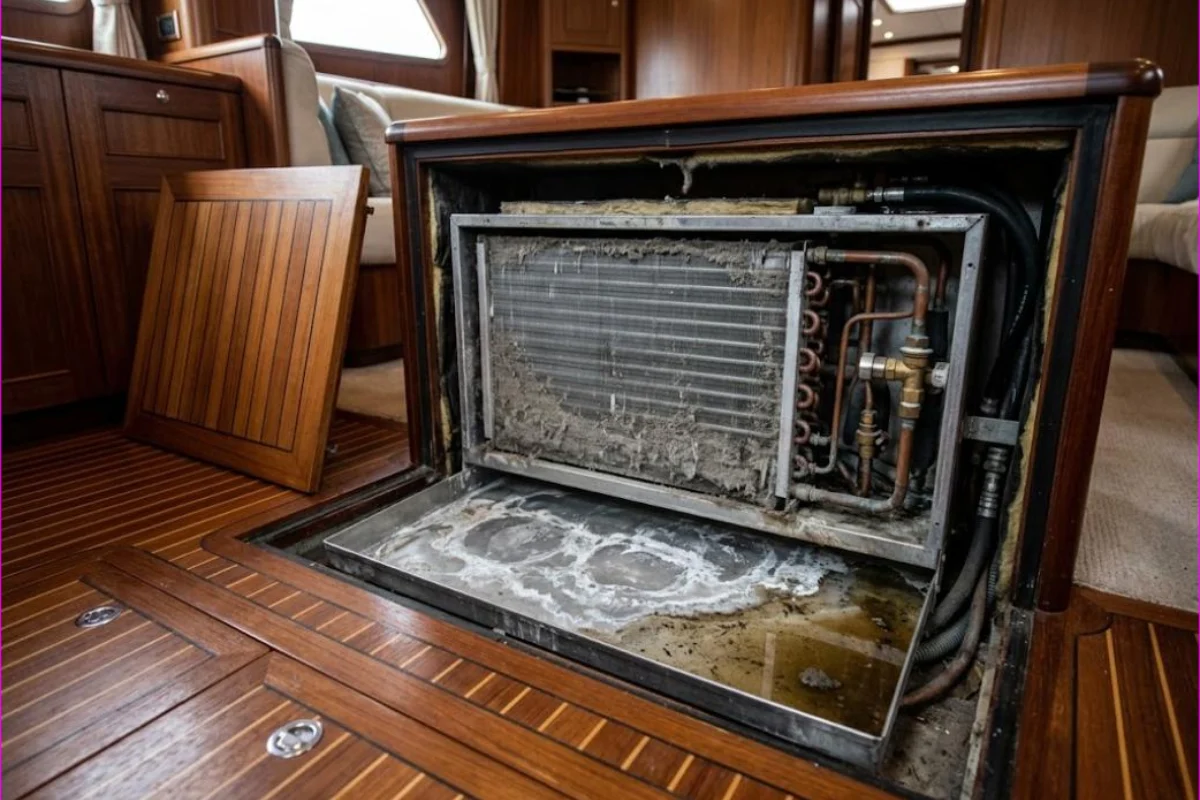
The first minutes of air conditioning may push out damp, dusty smells that built up in the units and ducts.
Water that looks or smells different
Taps may run cloudy, rust-coloured or with a stale smell at first. Water has been sitting still for weeks.
Spots on fabrics and in lockers
Small dark marks on cushions, liners or inside wardrobes can indicate that humidity stayed high during lay-up.
Why lay-up is hard on onboard hygiene
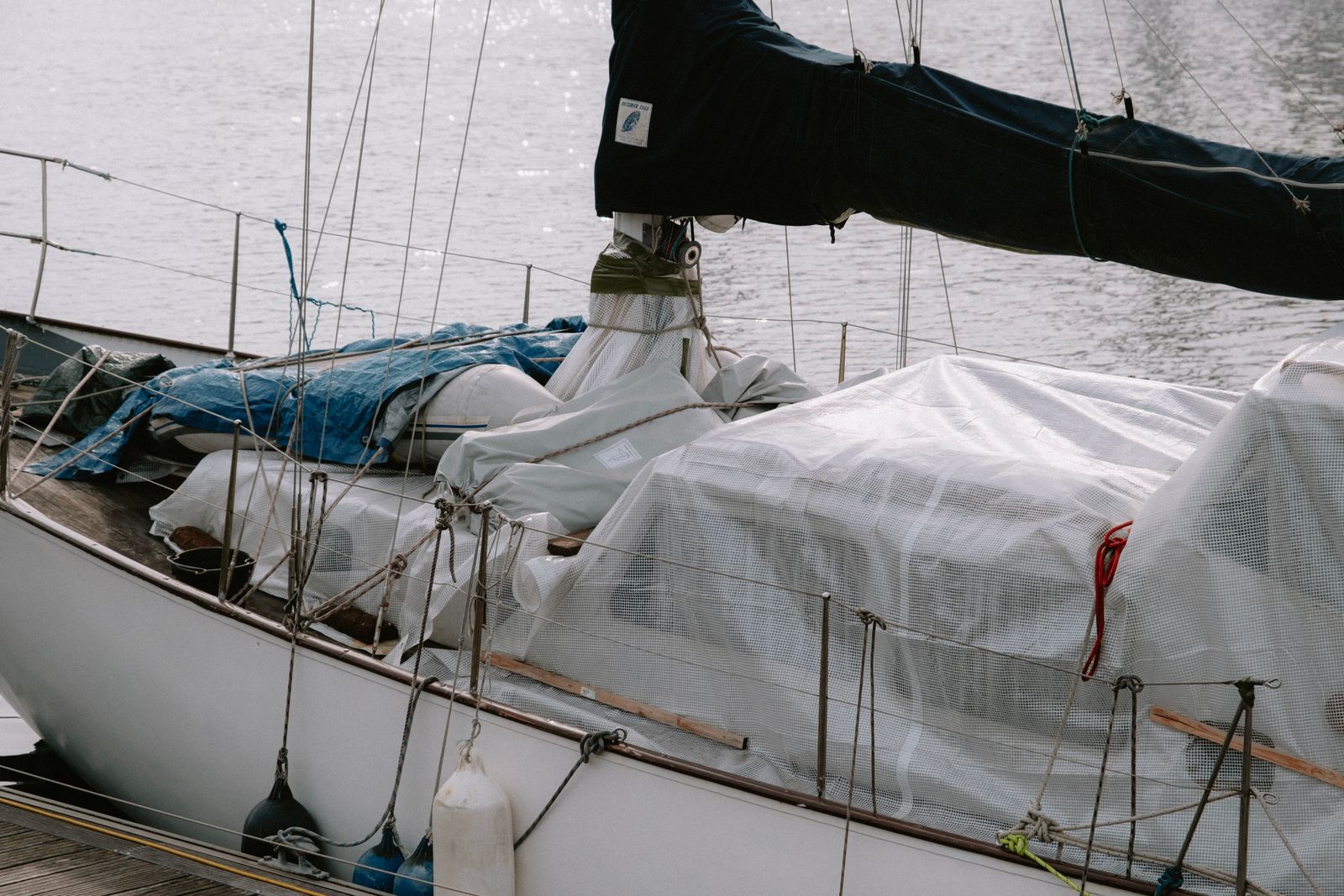
During lay-up the systems that keep a yacht fresh stop working. Water no longer moves through the pipes, so it warms and cools with the weather and bacteria have time to settle in biofilm — the slimy layer that forms on the inside of tanks and pipes. Showers and taps that were not drained keep a small amount of still water right at the outlet.
On the air side, fan coils and ducts sit in damp air with no airflow. Moisture left in condensate trays, dust on coils and closed cabins together create conditions where musty smells and mould can develop. When the system is switched back on, whatever has built up is blown into the cabins first.
The galley has its own list: fridges and cold rooms closed for months, drains that dried out, and grease left in the hood and extraction from the previous season. None of this is unusual. It simply needs to be checked in a clear order before guests arrive.
- Water: tanks, calorifier, pipes and every outlet
- Air: fan coils, condensate trays, ducts and diffusers
- Cabins: fabrics, lockers, hull liners and bathrooms
- Galley: hood, extraction, fridges and drains
Where post-lay-up problems usually come from
Each of these is common after a long stop, and each points to a specific kind of work.
Still water in tanks and pipes
Weeks without flow can let sediment settle and biofilm develop, which may be linked to smells and cloudy water.
Yacht Fresh-Water System SanitizationUnknown Legionella status after stagnation
Lukewarm, still water is the kind of condition where Legionella may grow. Sampling gives a documented picture before guests shower.
Legionella Testing for YachtsDamp and dust inside fan coils
Trays with residual water and coils with dust from the previous season can cause restart smells.
Yacht Fan Coil Deep CleaningWhole-yacht hygiene after a long stop
Air, water and surfaces all need attention together when the yacht is being prepared for the first guests.
Pre-Season Yacht SanitizationMould in closed cabins and lockers
High humidity with no ventilation may have allowed mould on liners, fabrics and silicone joints.
Yacht Mould & Condensation Remediation Biologist
Linda Abenaim, Biologist at Ekonore / AirBio
After months of lay-up, water has been standing in tanks and pipes, and the air units have been off in a damp hull. This is when biofilm and mould have the easiest time. Recommissioning should include flushing, cleaning and testing, not just switching systems back on.
Linda Abenaim · Biologist, Ekonore / AirBio
Before recommissioning, list which systems were drained and which were left full during lay-up. It changes what needs flushing and testing.
- Waterstanding for months
- Air unitsoff in a damp hull
- Testingbefore guests come back on board
Not sure what your systems actually need?
Tell us the yacht, what the crew has noticed and where she is now: a technician calls you back within 24 hours and plans the survey around your programme.
Hygiene checklist for the first days out of lay-up
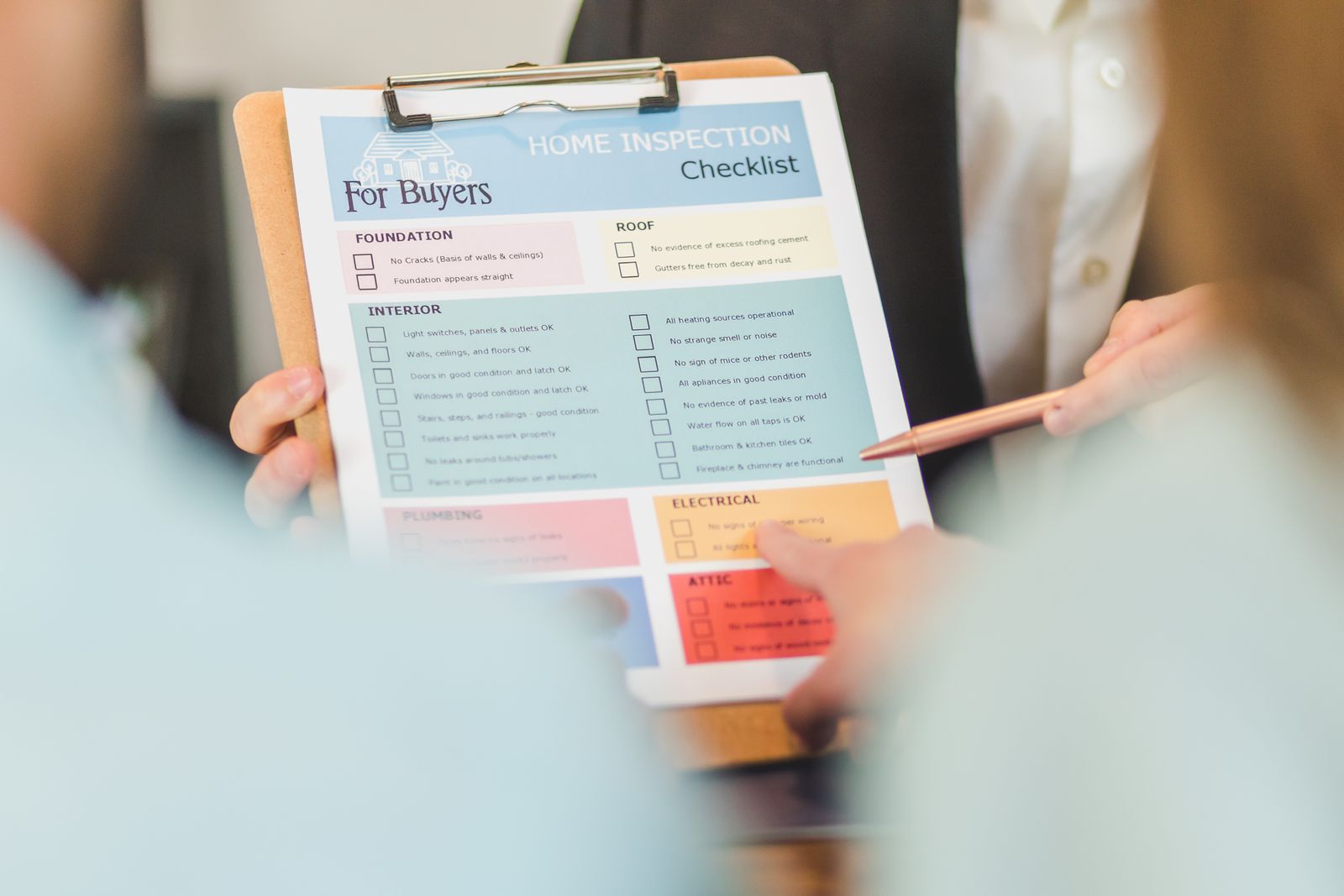
Work through the yacht in a set order and write down what you find. It will make any professional work faster and better targeted.
- Air the yacht fully: open every cabin, locker, wardrobe and bathroom door before starting the air conditioning.
- Check fan coil filters and trays before restart; replace filters and note any standing water or slime.
- Run every tap and shower, including guest cabins, crew areas, deck showers and the jacuzzi, and note colour, smell and how long the water takes to clear.
- Check the calorifier is heating properly and measure hot water temperature at the furthest outlets.
- Inspect lockers, hull liners, mattresses and cushions for dark spots or musty smells.
- In the galley, open and check fridges and cold rooms, run water into drains to refill traps, and check hood filters.
- Check whether your management company expects water sampling before guests come on board.
Follow the water from the tank to the tap
Almost every onboard water complaint starts at one of these six points. Knowing which one changes what needs to be done.
- 1
Fresh-water tanks
Sediment settles on the floor and baffles; the surface above the waterline dries and re-wets.
Common source - 2
Pump and accumulator
Water sits in the accumulator between draw-offs, at cabin temperature.
- 3
Filters and UV
A cartridge left in place past its life becomes a surface that holds what it was meant to remove.
Common source - 4
Calorifier
If the stored temperature is too low, the hot side stops being a barrier and becomes a reservoir.
Common source - 5
Distribution lines
Long runs and dead legs to outlets that are rarely opened keep water still for weeks.
Common source - 6
Outlets and showers
The last metre: aerators, hoses and shower heads, where the smell is finally noticed.
Marked in amber: the points where, in our experience on board, the cause is most often found. Treating only the outlet leaves the other five untouched.
How bacteria establish themselves in a water system
Water that stands still at lukewarm temperatures, in pipework where biofilm has had time to form, is the condition that lets bacteria multiply. The video shows the mechanism on a building water system.
On board the same conditions occur in a smaller, more concentrated network: short runs, dead legs, long periods alongside and outlets that are rarely opened.

After a winter ashore, the systems that look fine are often the ones that need us most. We check water and air before the first guests arrive, not after the first complaint.
Francesco Colombo
CEO · AirBio Marine, a division of AirBio (Ekonore S.r.l.)
Plan a pre-season visitWhen professional help before the season makes sense
A careful crew can handle much of the recommissioning hygiene. Water system treatment, microbiological sampling with an accredited laboratory, and deep cleaning of the air system are specialist jobs, and they are easier to plan before the first guests than in the middle of the season.
AirBio Marine plans pre-season work with the captain, chief engineer and chief stewardess: water tanks and lines treated with ozonated water, fan coils cleaned, cabins sanitized with ozone where needed, and water sampled where appropriate. Everything is documented in a report with photos you can pass on to the owner or management company.
- Water still smells or looks cloudy after running all outlets.
- The yacht had a positive Legionella result in the past, or has never been sampled.
- Musty smells return every time the air conditioning is switched on.
- Mould spots are found in cabins or lockers.
- The first charter or owner visit is close and you need everything documented.

After winter lay-up: common questions
Should we test for Legionella after winter lay-up?
It is often a sensible step, especially if the water system was not drained, the calorifier was off, or the yacht had issues in the past. Still, lukewarm water is the kind of condition where Legionella may grow. Many management companies expect sampling before guests arrive. A negative result is reassuring for that moment but does not guarantee future results, so good water routines still matter.
Is flushing the taps enough to clean the water system after lay-up?
Flushing replaces the water in the pipes and is a good first step. It does not remove sediment from tanks or biofilm stuck to the inside of pipes, hoses and the calorifier. If the water still smells, runs cloudy or a sample comes back positive, a sanitization of tanks and distribution lines is usually the next step.
Why does the air conditioning smell when we restart it after lay-up?
During lay-up, fan coils and ducts sit in still, humid air. Water left in condensate trays, dust on coils and damp in the ducts can produce musty smells that are pushed out when the system restarts. Airing the yacht and changing filters helps; if the smell persists, the units and ducts may need cleaning and sanitization.
When should pre-season hygiene work be booked?
Ideally before the yacht's first guests, with enough margin to act on any findings, such as a follow-up water sample. Spring is a busy time for yards and service teams, so planning early helps. AirBio Marine can work in marina, at the yard or at the end of lay-up, with the schedule agreed with the captain.
Can lay-up itself be used to prevent these problems?
Yes. Cleaning fan coils and trays before closing the yacht, draining or treating the water system, leaving lockers ajar and controlling humidity all reduce what you find in spring. A maintenance plan can cover both the start and the end of lay-up, so hygiene is dealt with as part of the yacht's normal calendar.
Where this comes from
Nothing here is our own invention. These are the public references behind the way we survey, sample and treat a water system. We say plainly which one is law, which is guidance and which is a laboratory method, because they are not the same thing and they do not all apply to every vessel.
WHO — Guide to Ship Sanitation, 3rd edition (2011)
The World Health Organization reference for water, air and food hygiene on board vessels. It is guidance, not law, and it is what most port health authorities work from.
ECDC — Legionnaires’ disease: facts
The European Centre for Disease Prevention and Control on how the bacterium behaves and which man-made water systems it multiplies in.
Directive (EU) 2020/2184 on the quality of water intended for human consumption
EU law setting quality standards for drinking water and introducing risk assessment of domestic distribution systems. It governs the water supplied ashore; whether and how it applies on a private vessel depends on flag and port state rules.
ISO 11731:2017 — Water quality: enumeration of Legionella
The laboratory method used to count Legionella in a water sample. Worth asking which method a laboratory used before comparing two reports.
Verified reviews on Trustpilot
Reviews of La BioDisinfestazione | Ekonore Italia, the group AirBio Marine belongs to.
Related services

Pre-Season Yacht Sanitization
Prepare the yacht before the first guest arrives.

Yacht Fresh-Water System Sanitization
From tank to shower head: the whole fresh-water network, treated as one system.
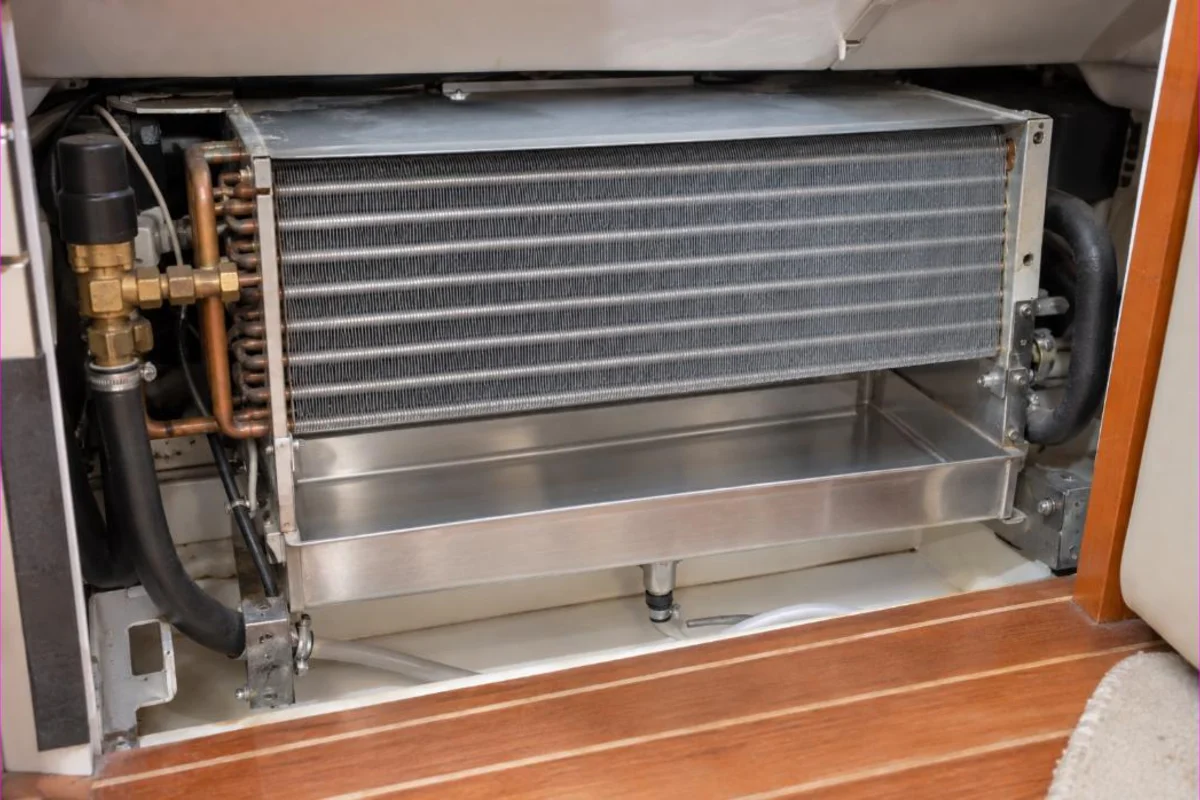
Yacht Fan Coil Deep Cleaning
A new filter does not clean the coil, tray and drain behind it.

Legionella Testing for Yachts
A structured sampling plan, accredited lab analysis and results explained clearly.
Tell us about the yacht
Yacht length, marina, systems and what you have noticed on board. A technician reads the message and calls you back to plan the survey.
"*" indicates required fields
Where we work
Italian Riviera and Tuscany marinas and yards — Viareggio, La Spezia, Portofino, Genoa, Sanremo, Livorno, Argentario — and other Mediterranean ports on request.
Documented work
Every job ends with a technical report and photos for the yacht's records.

Not sure where the problem starts?
Let the technical team assess it onboard.
In marina, at the yard or during lay-up. We tell you what needs treating — and what doesn’t.
+39 0584 433 198Expertise.
Peace of mind.