
Legionella Remediation for Yacht Water Systems
A positive result is not a reason to treat only the tap where it was detected.
For captains, chief engineers and yacht managers who have received a positive Legionella result. We inspect the whole water system, treat tanks, pipes and showers with high-concentration ozonated water, flush every outlet, re-sample and leave you with a plan to keep control afterwards.
yacht experience
When remediation is needed
Remediation usually starts from a laboratory report. These are the situations in which crews and managers contact us.
What a positive result means
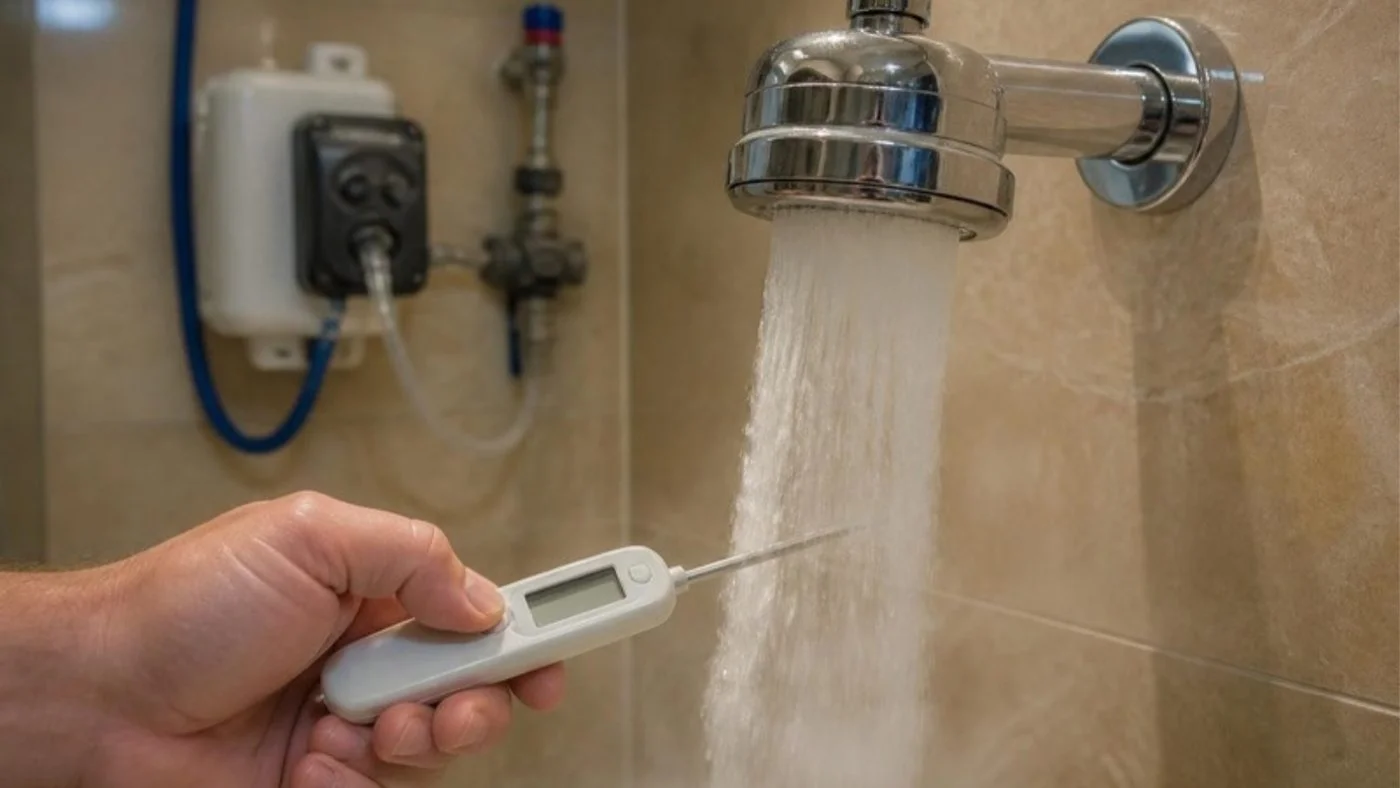
A positive result means that Legionella were detected in the water collected at a specific point, on a specific day. It tells you the bacteria are present in the system, but not exactly where they are multiplying.
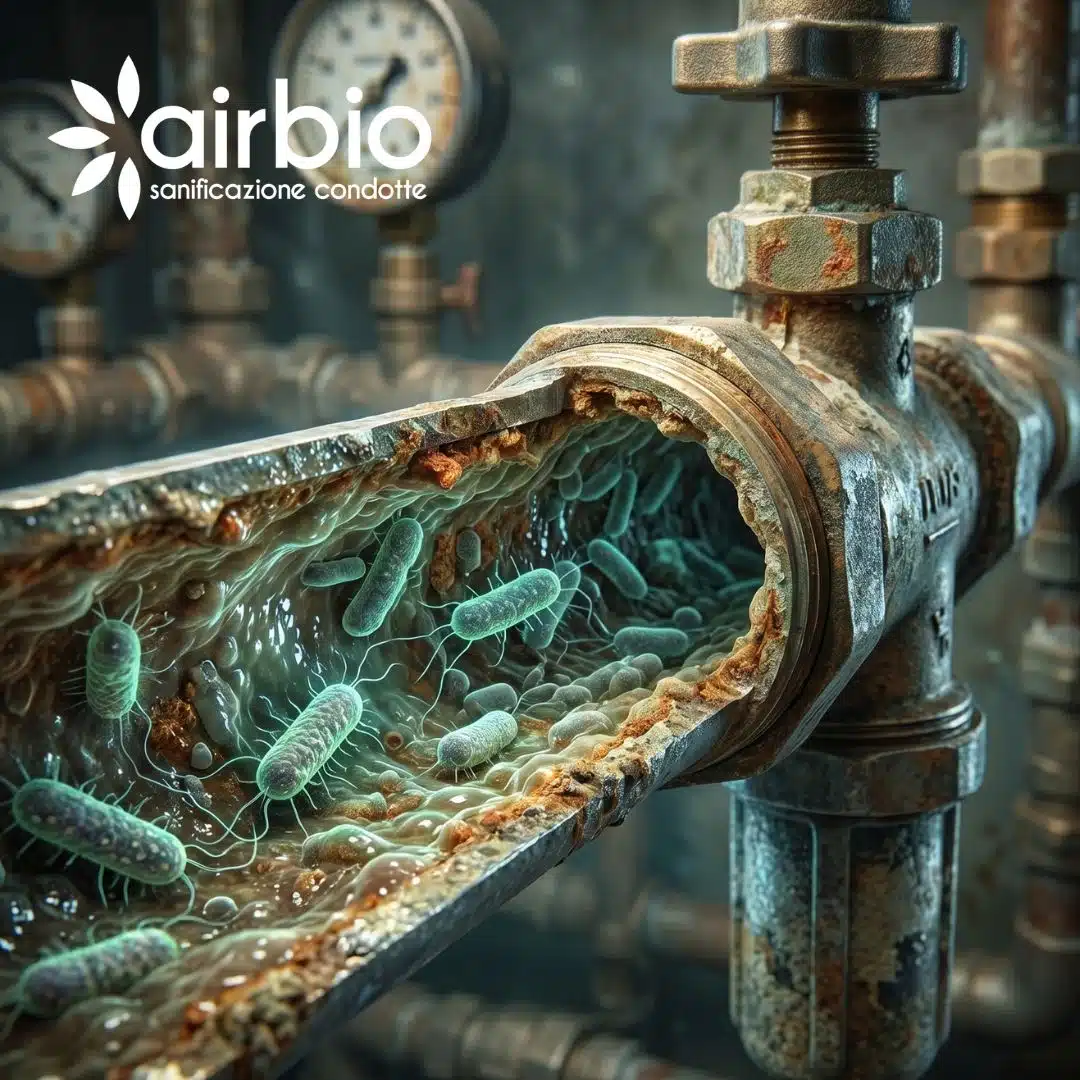
The tap or shower where the sample was taken is often only where the problem shows up. The source can be further back: in a tank, in the calorifier (the hot-water boiler), in a dead leg — a pipe branch with no flow — or in the biofilm, the slimy layer of bacteria that lines the inside of pipes and protects Legionella from ordinary disinfection.
This is why treating only the outlet where Legionella was detected rarely solves the problem for long. Remediation considers the whole water system, from the tanks to the furthest little-used shower.
Legionella detected at one or more sampled points.
Look for the conditions that allow growth across the network.
Tanks, calorifier, pipes and outlets treated as one system.
Every outlet flushed, including rarely used ones.
Verification testing by an accredited laboratory.
Maintenance routines to reduce the risk of recurrence.
How Legionella grows inside a water system
Legionella is not a yacht-specific bacterium. It lives in water at low levels and multiplies where water stands still, stays lukewarm and where biofilm has had time to form on the inside of pipes and fittings.
The video explains the mechanism on a building water system. On board the same conditions occur in a smaller, more concentrated network: short runs, dead legs, long periods alongside and outlets that are rarely opened.
Where Legionella can hide in a yacht's water system
During remediation we look at every area that can favour Legionella growth, not only the outlet in the laboratory report.
Fresh-water tanks
Sediment and biofilm on tank walls, especially after lay-up or refit.
Calorifier
Sediment at the bottom and zones where water may not stay hot enough.
Dead legs
Pipe branches with no flow where water stagnates and warms up.
Temperature drift
Hot lines that cool down and cold lines that warm up in technical spaces.
Showers and hoses
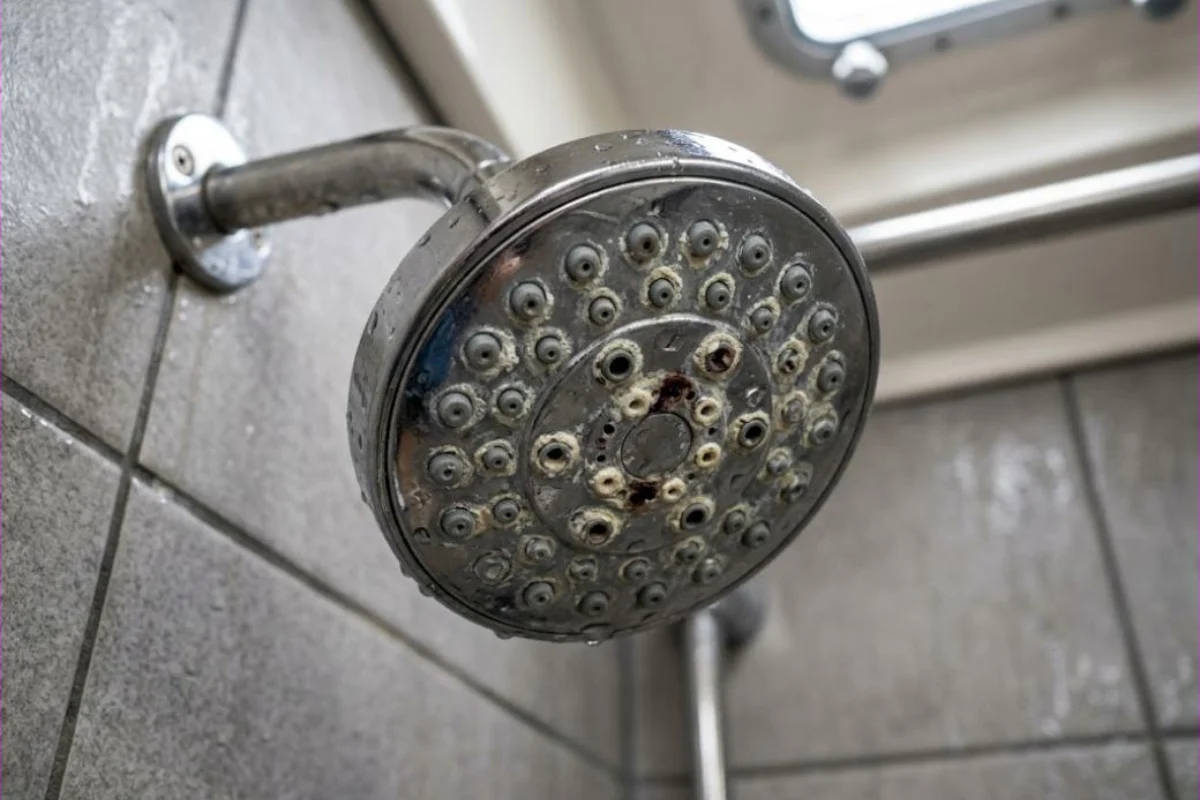
Shower heads, hoses and mixers where biofilm and scale collect.
Little-used outlets
Spare guest cabins and crew areas that are rarely opened.
Not sure what your systems actually need?
Tell us the yacht, what the crew has noticed and where she is now: a technician calls you back within 24 hours and plans the survey around your programme.
How we inspect the system and plan the treatment
We start by reading the laboratory report with the captain and chief engineer and mapping the water system on board: which points were positive, how they are connected and what is upstream of them.
From this inspection we prepare a treatment plan. It lists the circuits and outlets to be treated, the sequence of work, the areas where water will be interrupted and the points to re-sample afterwards.
- Laboratory results and the location of each positive sampling point
- Condition of tanks, calorifier, pump and accumulator
- Hot and cold loops, branches, dead legs and past modifications
- General hot and cold water temperatures at representative outlets
- Shower heads, hoses, mixers and aerators in cabins and crew areas
- Usage pattern: empty cabins, lay-up periods and low-use outlets
- Verification sampling points to be tested after treatment
How we carry out Legionella remediation on board
Remediation is a sequence, not a single product. These are the steps of a typical job, adapted to each yacht.
Protection and isolation
Interiors are protected and the system is isolated in agreement with the chief engineer, so that treatment reaches every part of the network.
System remediation
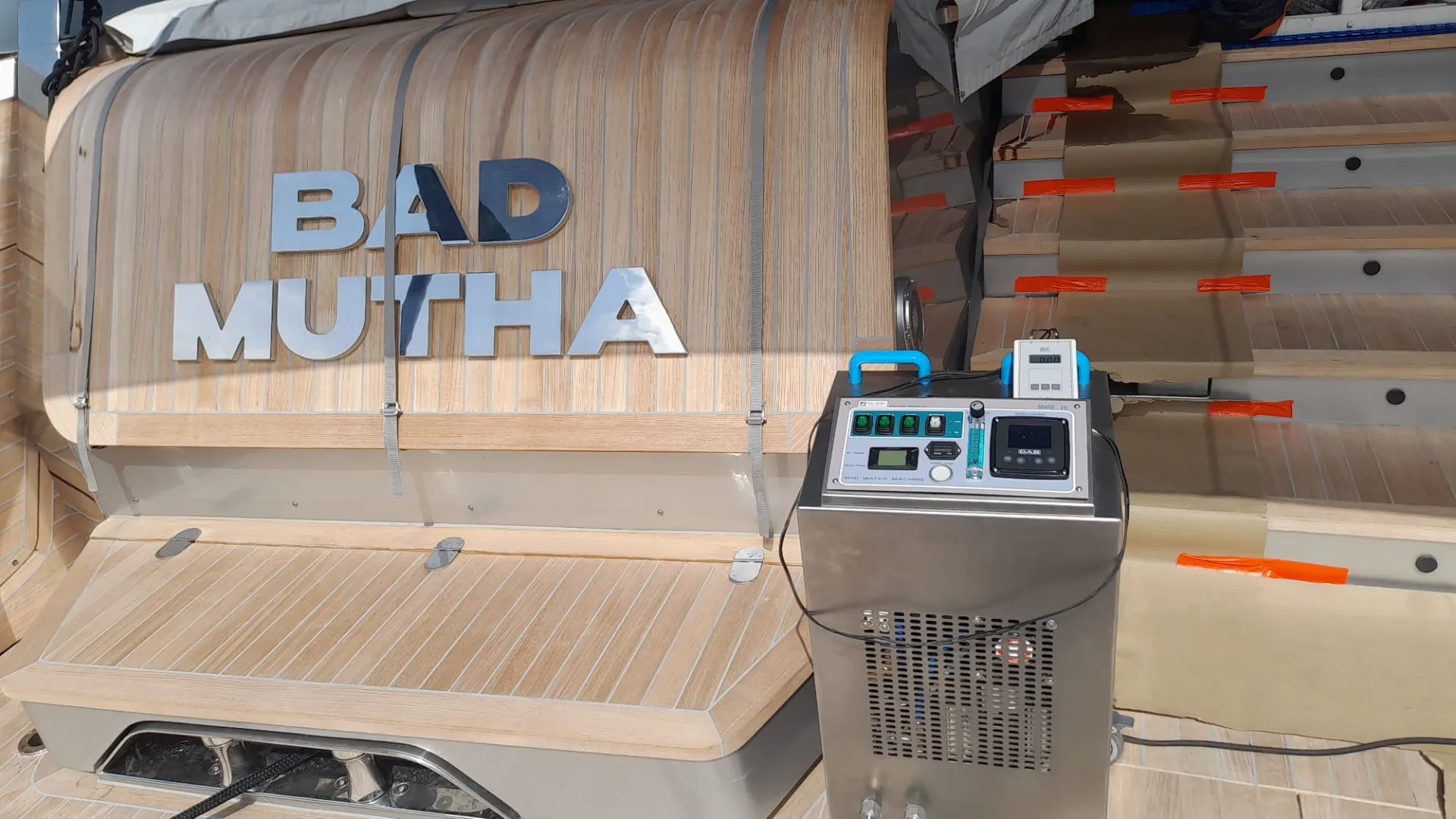
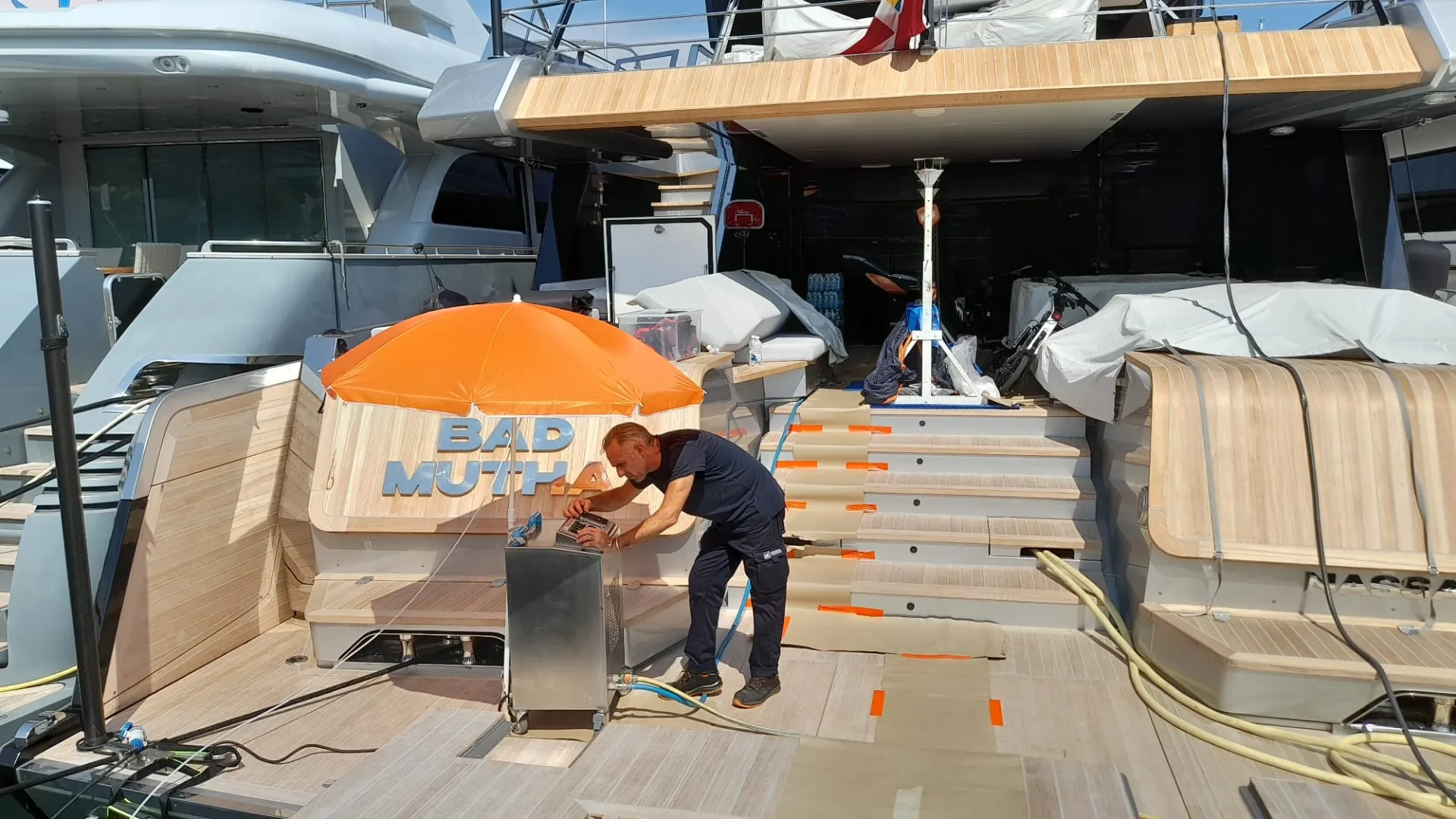
Our AWM-20 unit produces high-concentration ozonated water that is pushed through tanks, calorifier, pipes and showers to break down biofilm.
Fittings and outlets
Shower heads, hoses and aerators are removed, cleaned and sanitized, or replacement is recommended where they are too worn or scaled.
Flushing
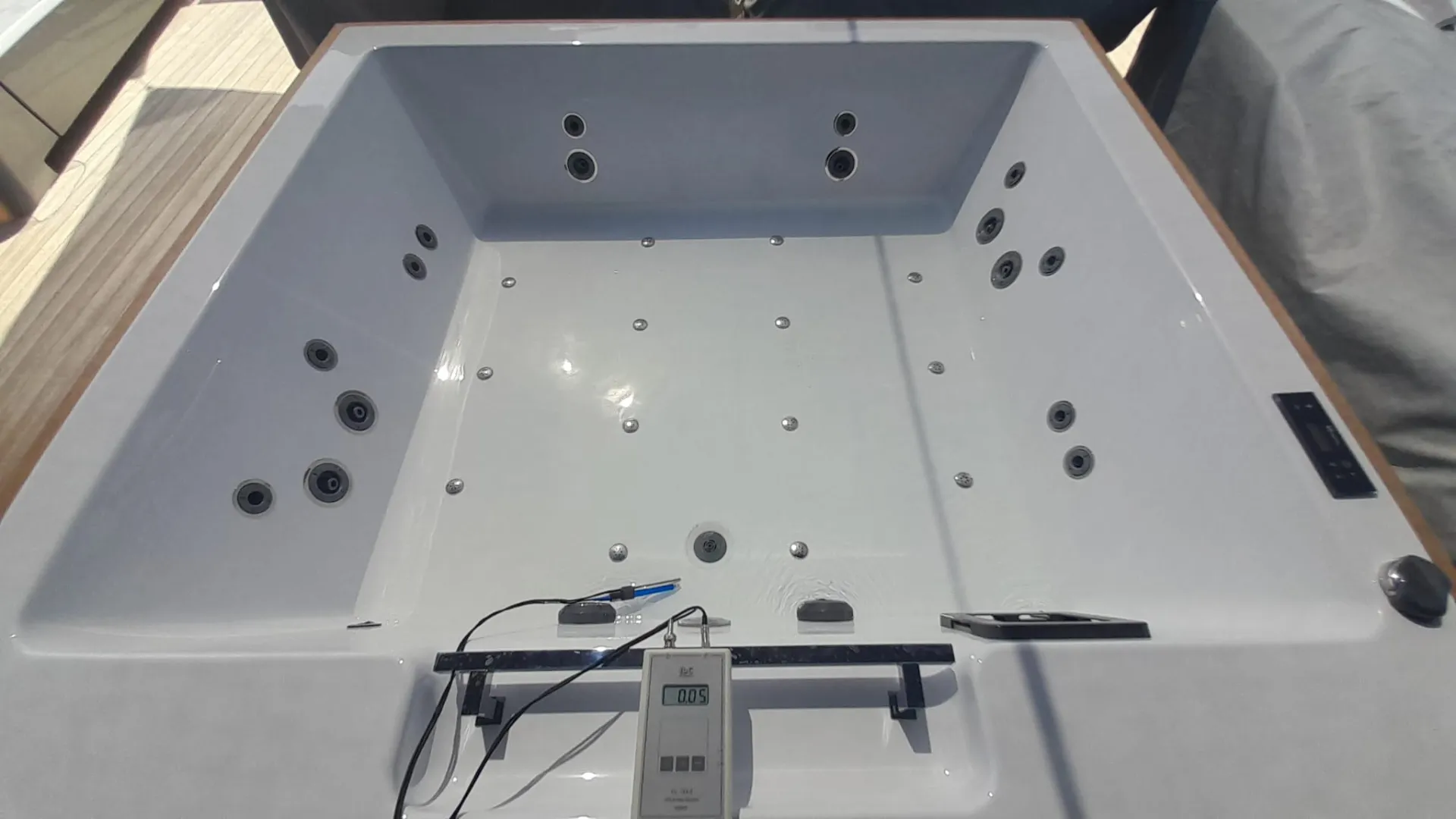
Every outlet is flushed in turn, including little-used showers, taps and dead legs, and residuals are measured with digital meters.
Verification testing
After treatment, samples are collected at agreed points and analysed by an accredited laboratory to verify the effect of the remediation.
Documentation
We deliver a technical report with photos, areas treated, methods, readings and laboratory certificates, plus recommendations.
A prevention plan to keep Legionella under control
Remediation reduces the contamination found in the system at that moment. It cannot promise that Legionella will never return, because conditions on board change with use, temperature and periods of inactivity. What makes the difference is what happens next.
For this reason AirBio Marine combines remediation with subsequent control and maintenance planning. We agree with the crew a set of simple routines and periodic checks, adapted to how the yacht is used, and we can schedule follow-up Legionella testing and water system sanitization as part of the plan.
- Regular flushing of little-used outlets and empty cabins
- Keeping hot water hot and cold water cold across the system
- Periodic cleaning and descaling of shower heads and hoses
- Removal or regular flushing of dead legs identified during inspection
- Tank and system sanitization before the season and after lay-up
- Periodic sampling by an accredited laboratory, with results kept on record
Inside a pipe section before and after treatment
These images are illustrative, not photographs of a specific job. They show the kind of biofilm and deposits that can line a domestic water pipe and how the same section can look after remediation.
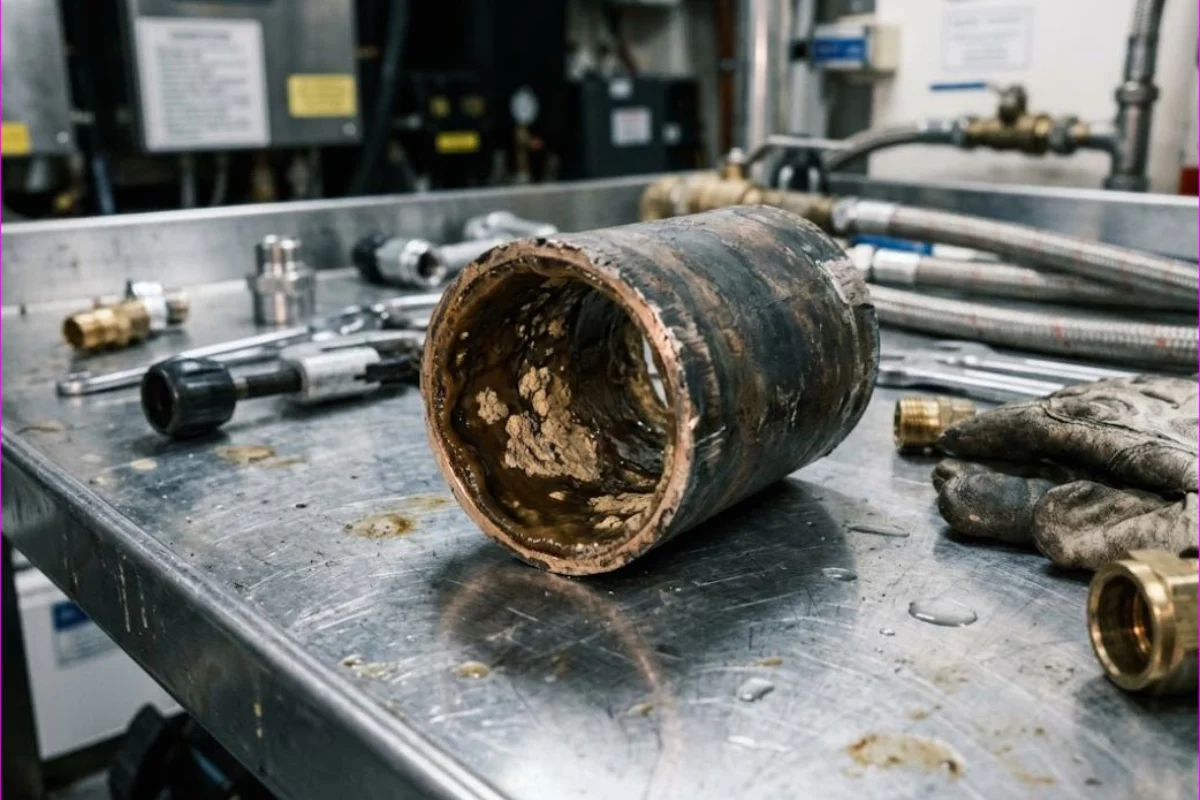

Illustrative visual showing the type of condition we find and the result we work towards. Photos of real AirBio Marine jobs are shown in the gallery below and in every client report.
Water system remediation on board
Real photos from AirBio Marine water jobs: the ozonated-water unit on the aft deck, our technician on a protected deck, a residual reading after treatment and our units on the quay.

Verified reviews on Trustpilot
What you receive
Treatment plan
The circuits and outlets to be treated, the sequence of work and the re-sampling points.
Technical report with photos
Areas treated, methods used, observations and weak points found in the system.
Readings
Residual measurements after treatment and temperatures recorded at representative outlets.
Verification certificates
Laboratory certificates from re-sampling after treatment, explained in plain language.
Prevention plan
Flushing routines, maintenance tasks and a schedule for periodic checks.
One report for the yacht's technical history
Every job closes with a written report: what was inspected, what was found, what was treated, photos before and after, readings where taken and recommendations for the next check. Useful for the captain, the management company, the next survey and the next season.
Who this service is for
Has received a positive result and needs a clear, documented response to share with the owner and management company.
Needs a contractor who understands the real layout of the system, including the calorifier and dead legs, and agrees the isolation plan in advance.
Needs remediation, verification testing and a prevention plan that fit the management company's water-safety procedures.
Needs a structured response and verification results before the yacht returns to charter.
Where we carry out Legionella remediation
We work in Italian Riviera and Tuscany marinas and yards, and in other Mediterranean ports on request.
Monaco
Spain
and beyond
Wherever you are in the Mediterranean, we can be there.
Book the survey before your next movement
We work in the main Mediterranean marinas and refit yards, with documented results and lab analysis where required.
Legionella remediation: frequently asked questions
Why not just treat the tap where Legionella was found?
The outlet in the laboratory report is often where the problem shows up, not where it starts. Legionella can multiply in tanks, the calorifier, dead legs or biofilm anywhere in the network. Treating one tap or changing one shower head may give a temporary improvement, but the system can recontaminate it. Remediation looks at the whole water system.
How does AirBio Marine treat the water system?
After inspection and planning, our AWM-20 unit produces high-concentration ozonated water that is pushed through the tanks, calorifier, pipes and showers. Ozone is a strong oxidiser that helps break down biofilm, the slimy layer where Legionella shelter. Fittings are cleaned or replaced, every outlet is flushed and residuals are measured before the system returns to normal use.
Can you guarantee that Legionella will not come back?
No responsible contractor can promise zero Legionella. Remediation reduces the contamination present at the time of treatment, and verification testing shows the result at the sampled points on that day. Whether it returns depends on how the system is used and maintained afterwards, which is why we combine remediation with a prevention and maintenance plan.
Why is re-sampling after treatment necessary?
Treatment alone does not show its effect. Verification testing, with samples collected at agreed points and analysed by an accredited laboratory, gives objective data on the condition of the water after remediation. The results are added to the documentation, so the captain and management company have a complete record from the first positive to the verification.
What documentation do we receive?
You receive the treatment plan, a technical report with photos, the areas and outlets treated, the methods used, residual readings and temperatures where taken, the laboratory certificates from verification sampling and a prevention plan. This record can be shared with the owner, the management company and, where relevant, charter clients.
Can remediation be carried out with the crew on board?
Usually yes. The work is planned with the captain and chief engineer so water is interrupted only in agreed areas and time windows. Interiors are protected with floor coverings and masking. The job can be carried out in marina, at the yard, during lay-up or between charters, depending on the yacht's schedule.
Related services

Legionella Testing for Yachts
A structured sampling plan, accredited lab analysis and results explained clearly.

Yacht Fresh-Water System Sanitization
From tank to shower head: the whole fresh-water network, treated as one system.

Yacht Fresh-Water Tank Cleaning
Clean, sanitized fresh-water tanks, with every step documented for your crew.
Positive Legionella Result on a Yacht
A calm, practical guide for captains, engineers and managers after a positive sample.
Tell us about the yacht
Yacht length, marina, systems and what you have noticed on board. A technician reads the message and calls you back to plan the survey.
"*" indicates required fields
Where we work
Italian Riviera and Tuscany marinas and yards — Viareggio, La Spezia, Portofino, Genoa, Sanremo, Livorno, Argentario — and other Mediterranean ports on request.
Documented work
Every job ends with a technical report and photos for the yacht's records.
Not sure where the problem starts?
Let the technical team assess it onboard.
In marina, at the yard or during lay-up. We tell you what needs treating — and what doesn’t.
+39 0584 433 198Expertise.
Peace of mind.