

Why Does the Water on My Yacht Smell?
The type of smell is the best clue to where it starts.
Water that smells of rotten eggs, damp or chemicals is one of the first things guests notice in a shower. This guide explains what each smell can be associated with, which simple checks help locate it and when sampling or sanitization of the system makes sense.
yacht experience
“The water smells strange when we open the tap”
Water smells usually fall into a few recognisable types. Identifying yours is more useful than any general description.
Rotten eggs or sulphur
A sharp sulphur smell, often strongest in hot water or first thing in the morning, can be associated with bacteria in tanks, low-flow lines or the hot water system.
Musty, earthy or swampy
A damp, stale smell may indicate biofilm or sediment in tanks or in parts of the pipework that are rarely used.
Strong chlorine or swimming-pool
An intense chemical smell usually follows a recent treatment or refill with heavily chlorinated shore water.
Plastic or rubber taste
A plastic note, often in water that has sat still, can come from new hoses, tank coatings or fittings, particularly after a refit.
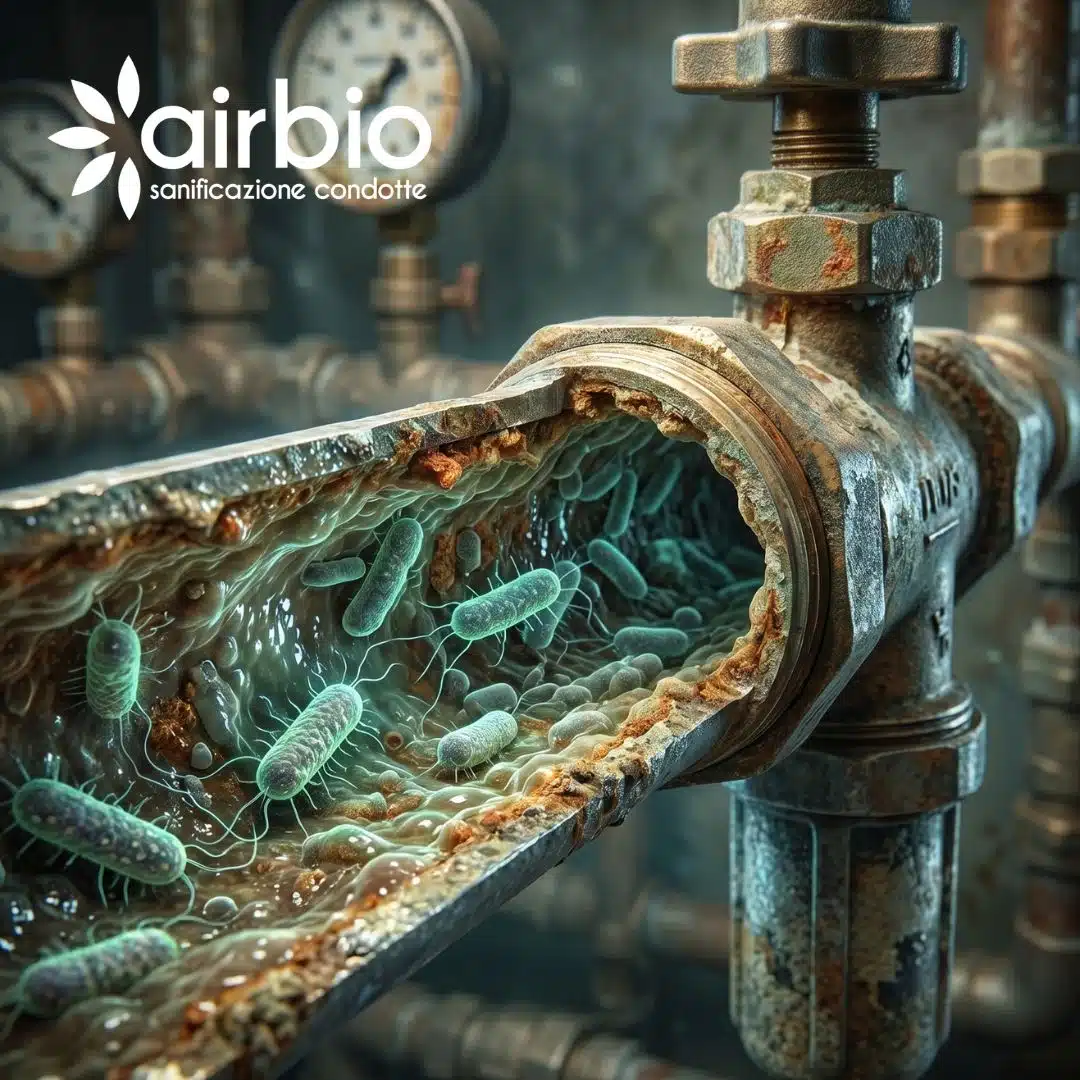
How water that was fine at bunkering starts to smell
Water on a yacht travels a long way: from the tank, through a pump and filters, into the calorifier — the hot water cylinder — and out along many metres of pipe to every tap and shower. Along that route there are warm sections, low points and dead legs — branches of pipe where water barely moves.
Where water is still and warm, bacteria can settle on pipe walls and form biofilm — a slimy layer that sticks to the inside of pipes and tanks. Some of these bacteria produce gases such as hydrogen sulphide, which smells of rotten eggs. Sediment at the bottom of a tank can feed the same process.
Not every smell means contamination. Chlorine after a refill or a plastic note from new hoses has different causes. What matters is recognising which smell you have and whether it is getting worse or spreading.
What can make the water on a yacht smell
The same smell can have more than one explanation. These are the causes most often associated with each type.
Sediment and biofilm in the tank
Sludge in the bottom of a fresh-water tank and slime on its walls can give off musty or sulphur smells, especially in tanks that are rarely emptied.
Yacht Fresh-Water Tank CleaningBacteria in the hot water system
A calorifier kept at lukewarm temperatures, or used little, can be associated with a rotten-egg smell in hot water only.
Yacht Fresh-Water System SanitizationDead legs and unused outlets
Guest showers, crew heads or deck showers that stay closed for weeks let water stagnate in the pipe leading to them.
Yacht Fresh-Water System SanitizationWater quality at bunkering
Water taken from an unfamiliar source may already carry a smell or organic load that then develops in the tank.
Yacht Water Sampling & AnalysisTreatment residues and new materials
Excess chlorine or odours from new hoses and coatings are not bacterial, but they should be distinguished from other causes.
Yacht Water Sampling & AnalysisSimple checks to locate the smell
A few minutes with a clean glass and a notebook narrows things down considerably.
- Compare hot and cold water at the same tap: a smell only in hot water points towards the calorifier and hot lines.
- Compare a frequently used tap with a rarely used shower: a smell only at the second suggests stagnation in that branch.
- Let the water run for two minutes and check whether the smell fades, stays the same or gets stronger.
- If the yacht has more than one tank, switch tanks and see whether the smell changes.
- Note when you last refilled, from which marina and whether the smell started soon after.
- Check the date of the last tank cleaning and filter change in the engineering log.
When the water should be tested or treated
A smell tells you something has changed, but not what is in the water. Microbiological sampling with analysis by an accredited laboratory shows what is present and gives the chief engineer a documented starting point.
If sampling or the inspection points to sediment, biofilm or stagnation, the next step is sanitization of the tank or of the whole system, using ozonated water to break down biofilm, followed by checks and a report.
- A rotten-egg smell that returns after flushing.
- The smell appears at several outlets or in the hot water throughout the yacht.
- Guests or crew complain about the taste or smell of shower water.
- The yacht has come out of lay-up or refit, or has bunkered water from an unknown source.
- You need documented results for the management company or before a charter season.

Questions about smelly water on yachts
Why does the hot water on my yacht smell of rotten eggs?
A rotten-egg smell in hot water only can be associated with bacteria that produce hydrogen sulphide in the calorifier or in hot lines where water is warm but not hot enough, or moves slowly. It can also be linked to sediment carried in from the tank. The hot water system should be inspected, and sampling can confirm what is present before deciding on sanitization.
Is smelly water on a yacht safe to drink?
A smell alone does not tell you whether water is safe or not. Until the cause is known, it is sensible to use bottled water for drinking and cooking. Microbiological sampling analysed by an accredited laboratory is the reliable way to find out what the water contains, and the results help decide whether the tank or the whole system needs sanitizing.
Why does the water smell musty after the yacht has been unused?
When water sits still for weeks in tanks and pipes, especially in warm conditions, bacteria can multiply and biofilm can develop on inner surfaces. The first water drawn after a lay-up often smells stale. Flushing may reduce it, but if the smell returns, the tank and distribution system should be inspected and, where needed, sanitized before guests come on board.
The water smells of chlorine. Is that a problem?
A chlorine smell usually comes from treated shore water or a recent disinfection, and on its own is not a sign of bacterial contamination. If it is very strong or persists for a long time, the dosing may have been excessive. Sampling can show the actual levels and help separate a chemical smell from a microbiological one.
Do we need Legionella testing if the water smells?
Smell and Legionella are not directly linked: Legionella does not produce a recognisable odour. However, the conditions that cause smells — warm stagnant water, biofilm and sediment — can also favour Legionella. If the hot water system shows these conditions, Legionella testing is worth considering alongside general water sampling.
Services for water quality problems
Yacht Fresh-Water Tank Cleaning
Clean, sanitized fresh-water tanks, with every step documented for your crew.
Yacht Fresh-Water System Sanitization
From tank to shower head: the whole fresh-water network, treated as one system.
Yacht Water Sampling & Analysis
Objective data on your onboard water, collected properly and explained clearly.
Legionella Testing for Yachts
A structured sampling plan, accredited lab analysis and results explained clearly.
Tell us about the yacht
Yacht length, marina, systems and what you have noticed on board. A technician reads the message and calls you back to plan the survey.
"*" indicates required fields
Where we work
Italian Riviera and Tuscany marinas and yards — Viareggio, La Spezia, Portofino, Genoa, Sanremo, Livorno, Argentario — and other Mediterranean ports on request.
Documented work
Every job ends with a technical report and photos for the yacht's records.

Not sure where the problem starts?
Let the technical team assess it onboard.
In marina, at the yard or during lay-up. We tell you what needs treating — and what doesn’t.
+39 0584 433 198Expertise.
Peace of mind.