
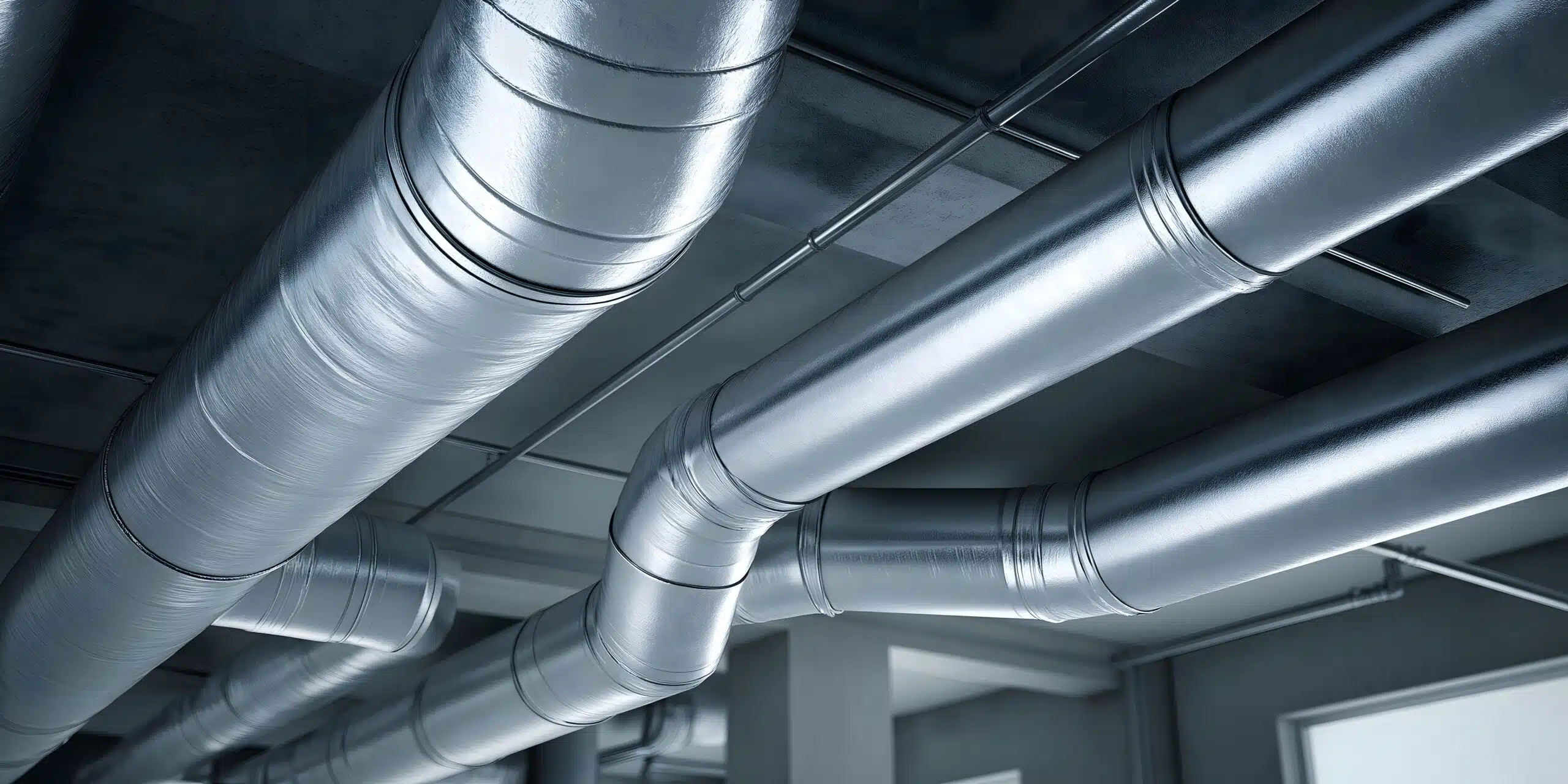
Yacht Galley Extraction Duct Degreasing
Grease and odour remediation along duct runs, bends, fan and discharge.
When a grease smell keeps coming back after the hood has been cleaned, the source is often further along the system. This service goes beyond the hood: we degrease the duct runs, bends, fan and motor housing and the discharge, working through access panels, and document what we find. For the hood, plenum and filters, see galley hood cleaning.
yacht experience
Signs that grease has travelled beyond the hood
The hood is the part everyone sees. These signs usually point further along, into the ductwork and fan.
What happens to grease along the duct run
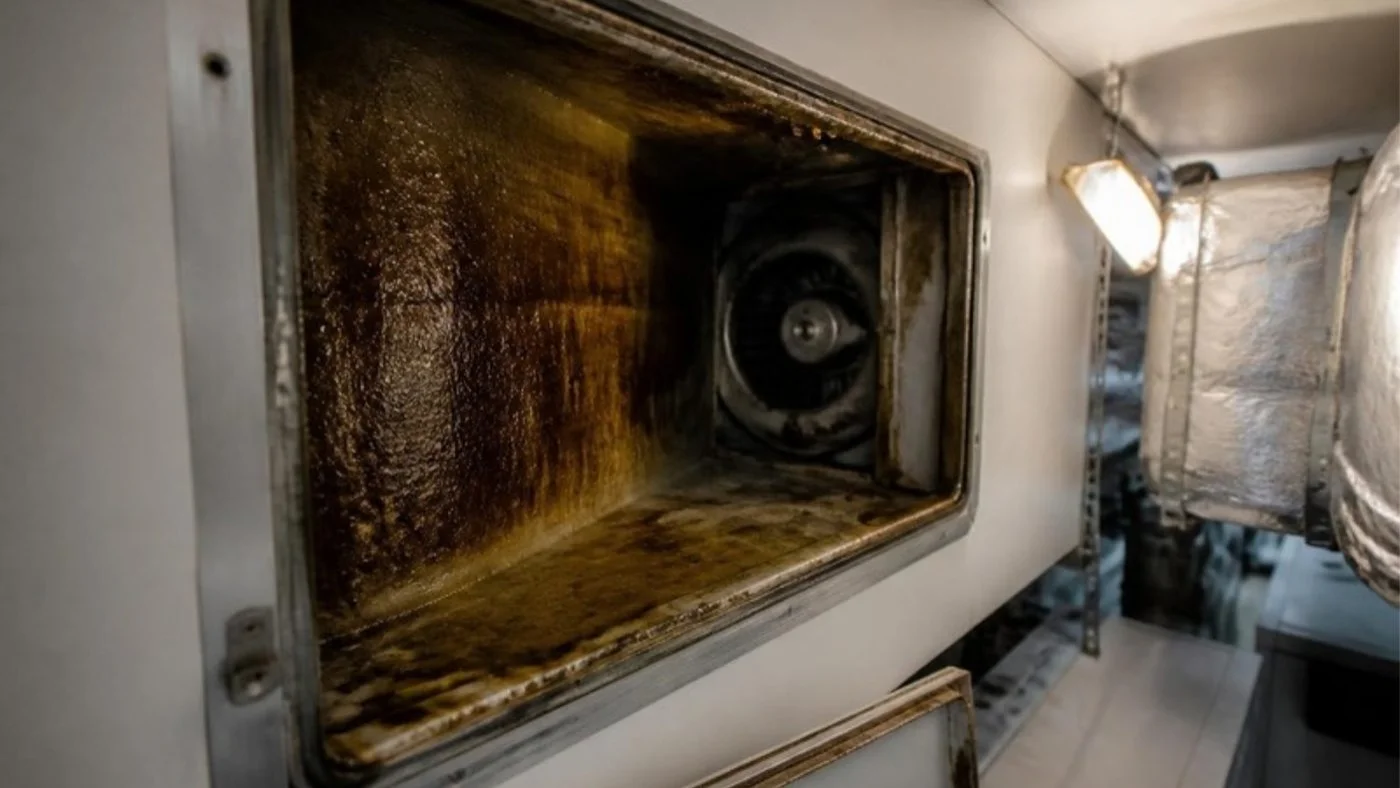
Grease vapour that passes the filters keeps cooling as it moves along the duct. It condenses on the walls and collects where the air slows down: bends, reductions and horizontal runs. Layer by layer, older deposits harden and darken while fresh ones stay soft and sticky.
The fan is a particular collection point. Grease sticks to the impeller (the rotating blades) and to the inside of the housing, adding weight and reducing the volume of air it can move. When extraction weakens, cooking air can escape through joints, into adjacent technical spaces or back into the interiors.
Old grease also smells. With the galley off, deposits in a warm duct can still release a stale, rancid odour. Removing the deposits is the only lasting way to remove that smell; fragrances and ozone on their own do not remove grease.
Partial capture of grease; covered by the hood cleaning service.
Grease condenses on the walls as the air cools.
Air slows and heavier deposits collect at each change of direction.
Grease loads the impeller and housing, reducing airflow.
Last section and outlet; staining shows grease has travelled far.
What grease does inside a galley extraction system
Cooking grease condenses on the filters first, then travels into the canopy plenum and along the duct towards the fan. Once it hardens it holds odours, reduces extraction and becomes a fire load above the galley.
The video follows the deposit from the filter to the extract fan. On board, where the galley sits close to crew mess and guest areas, the odour path is short and noticeable.

Typical warning signs in extraction ductwork
These signs point to the ductwork and fan rather than to the hood itself.
Returning rancid smell
The same old-grease odour comes back within days of the hood being cleaned.
Reduced extraction
Weaker airflow than before, even with clean filters in place.
Fan noise or vibration
Humming, rattling or vibration from the fan or motor housing.
Seepage at joints or panels
Grease oozing from duct joints, access panels or around the discharge.
Hidden fire load
Layers of grease along the duct add fuel along an enclosed route through the yacht.
No access panels
No way to look inside, so deposits may have been building up unseen for years.
Not sure what your systems actually need?
Tell us the yacht, what the crew has noticed and where she is now: a technician calls you back within 24 hours and plans the survey around your programme.
When grease smells reach the interiors
Many owners first notice a grease problem not in the galley but in a cabin, the crew mess or the saloon. The smell is usually linked to one of three things: deposits in the duct releasing odour, weak extraction letting cooking air spread, or grease-laden air leaking from duct joints.
Our remediation works in that order: find where the smell comes from, remove the grease at the source, then deal with what is left in the air and in soft furnishings. Ozone treatment of empty, closed spaces helps with residual odour, but the result only lasts if the grease source has been removed first.
- Trace the route of the smell with the crew
- Remove grease deposits in the duct and fan
- Check extraction and duct joints for leaks
- Treat residual odour in affected spaces with odour removal
- Record the source and the work done in the report
How we inspect the ductwork and fan
We start by mapping the duct route with the chief engineer: where it runs, where it bends, where the fan sits and where it discharges. On many yachts the duct passes through ceilings and technical spaces, so the route decides how the job can be done.
We then look inside through existing access panels, the hood opening and the fan, using lights and an inspection camera where the duct is too narrow or long to see directly.
- Route, length, bends and reductions along the duct
- Existing access panels and their condition
- Depth and type of deposits: soft, hardened or baked-on
- Fan impeller, housing and motor mounting, where accessible
- Duct joints and seals for grease seepage
- Discharge section and external outlet
- Sections where a new access panel would allow proper cleaning
How we degrease the extraction ductwork
Duct degreasing is not a product sprayed through the system. The method depends on how thick the deposits are and how each section can be reached.
Protection and isolation
The galley and the spaces along the duct route are protected with floor covering and masking. Fan and hood electrics are isolated together with the chief engineer.
Access
We work through the hood opening, existing access panels and the fan housing. Where there is no practical access, we agree with the chief engineer, and the yard when relevant, whether a new panel should be fitted.
Mechanical removal
Soft and hardened grease is removed section by section with scrapers, brushes and vacuum extraction. Mechanical removal comes first because thick deposits do not dissolve with products alone.
Degreasing
The remaining film is treated with degreasing products suited to the duct material, applied and wiped in a controlled way, with residues collected.
Fan and discharge
Where accessible, the fan impeller and housing are degreased, and the discharge section and outlet are cleaned.
Odour treatment, checks and report
Residual odour in the galley or nearby spaces can be treated with ozone while they are empty. The system is restarted, extraction checked and photos taken for the report.
Inside the duct: before and after degreasing
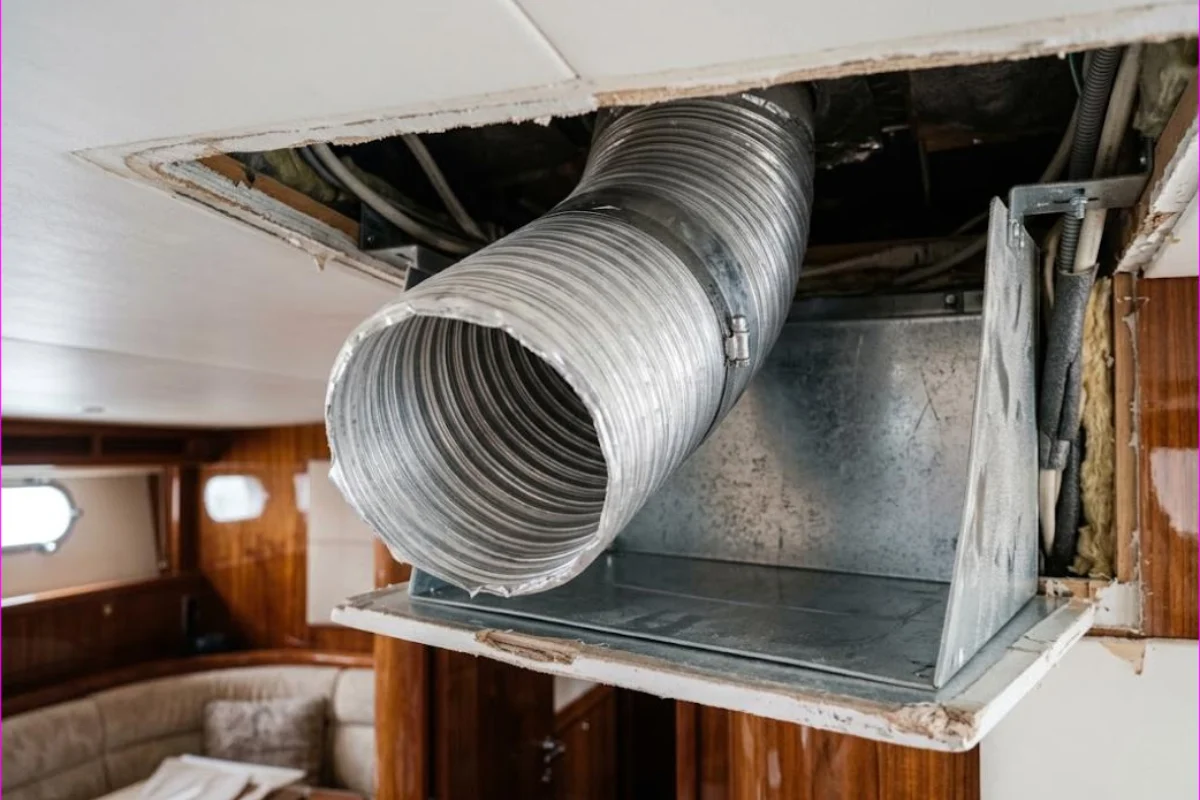
Illustrative images of a typical galley extraction duct section near a bend, seen through an access panel. They are not photographs of a specific job.
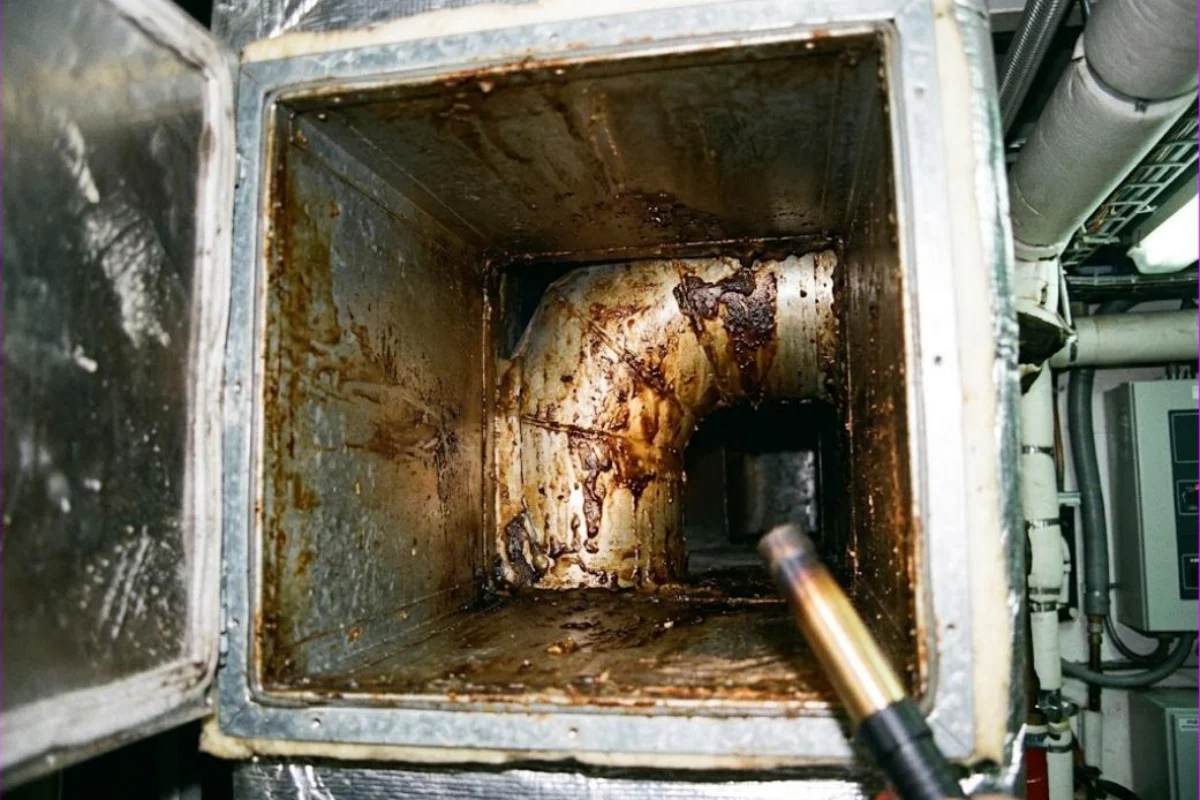

Illustrative visual showing the type of condition we find and the result we work towards. Photos of real AirBio Marine jobs are shown in the gallery below and in every client report.
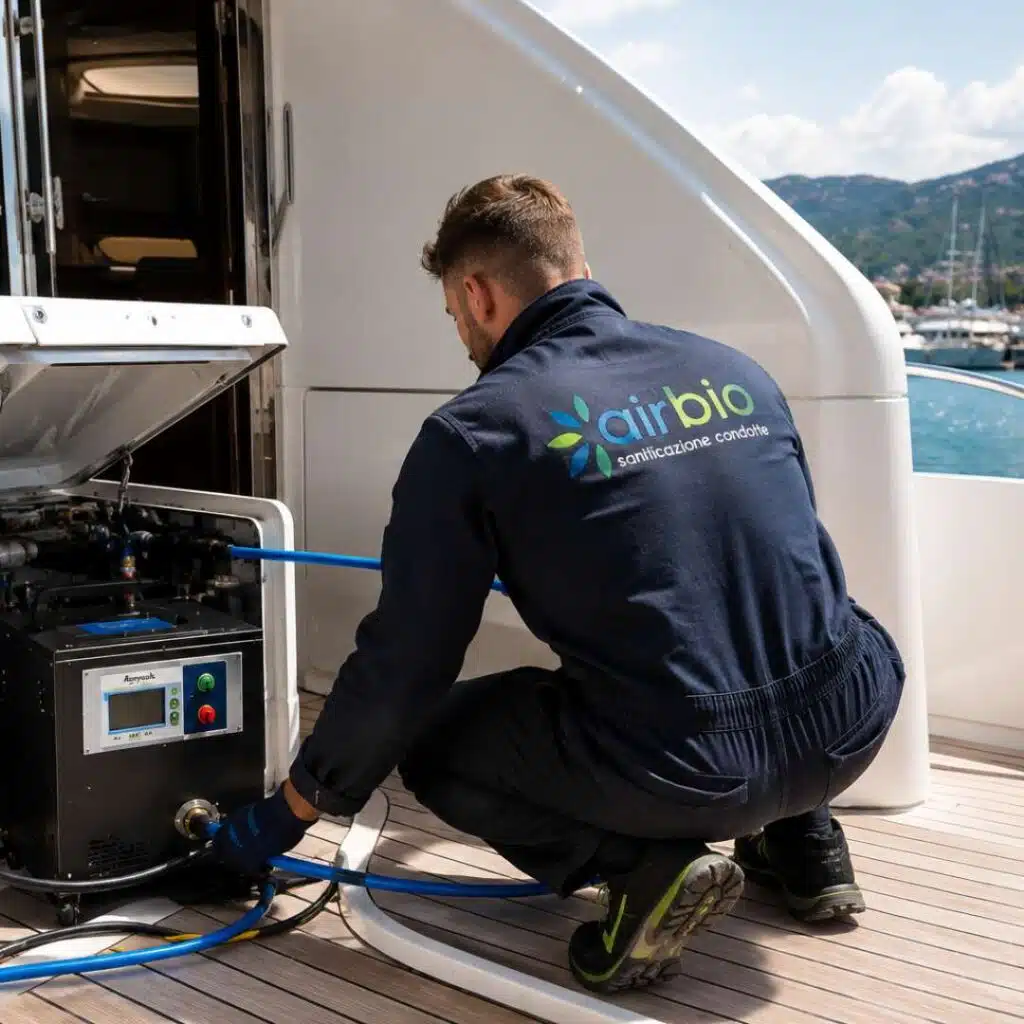
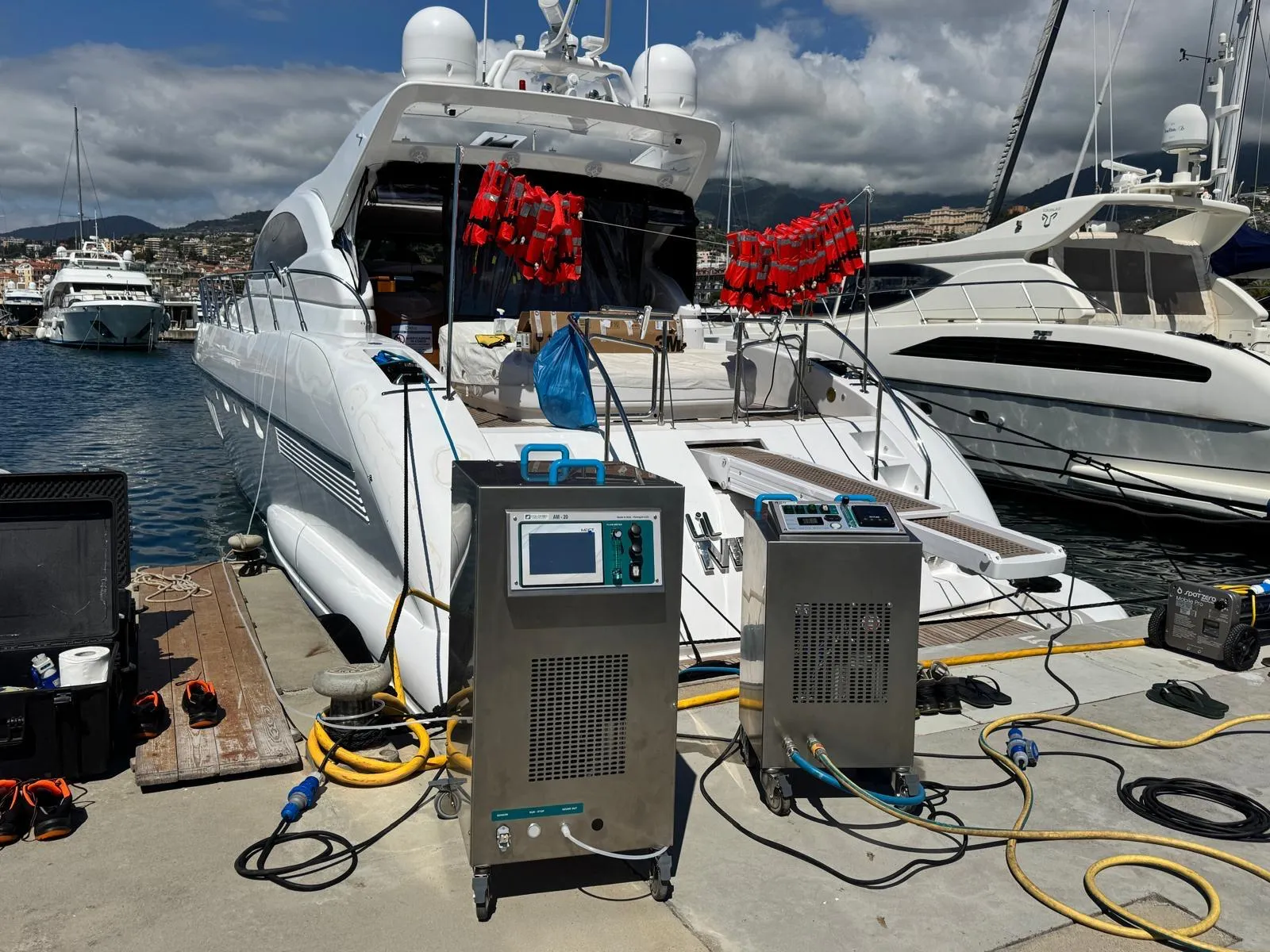
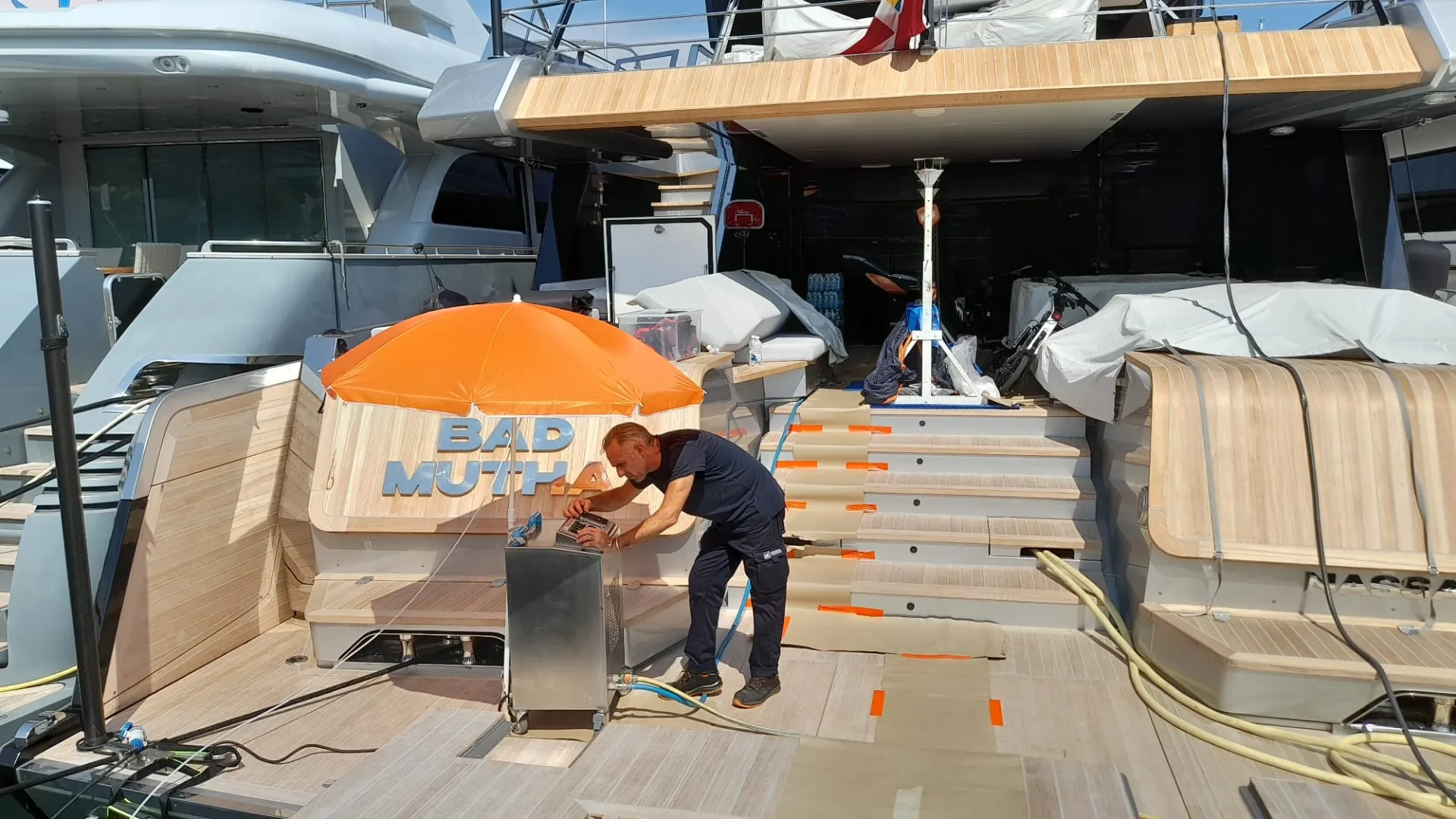
AirBio Marine on the quay
Photos from real AirBio Marine jobs. Duct work follows the same organisation: equipment staged on the quay, interiors protected and the crew kept informed throughout.

Verified reviews on Trustpilot
What you receive
Technical report
Sections cleaned, methods and products used, and any parts of the route that could not be reached.
Photos along the route
Before and after photos at access points, bends, fan and discharge where reached.
Deposit map
Where grease was heaviest, to explain smells or airflow problems and guide future cleaning.
Access panel advice
Where new or larger access panels would make future cleaning possible.
Fan condition notes
Observations on impeller, housing and mounting to pass to the engineering team.
Recommended interval
A suggested frequency for duct cleaning, coordinated with hood cleaning.
One report for the yacht's technical history
Every job closes with a written report: what was inspected, what was found, what was treated, photos before and after, readings where taken and recommendations for the next check. Useful for the captain, the management company, the next survey and the next season.
Who this service is for
Gets a clear picture of the duct route, deposits, fan condition and access points, with advice on where panels would help.
Resolves grease smells reaching guest and crew areas and gains a documented record of the cleaning for the technical history.
Can plan duct cleaning on a sensible interval instead of reacting to complaints, with a report for the maintenance file.
Can schedule duct degreasing and new access panels while ceilings are open during the yard period.
Where we degrease extraction ductwork
We work in marinas and refit yards along the Italian Riviera and Tuscany, and in other Mediterranean ports on request.
Monaco
Spain
and beyond
Wherever you are in the Mediterranean, we can be there.
Book the survey before your next movement
We work in the main Mediterranean marinas and refit yards, with documented results and lab analysis where required.
Extraction duct degreasing: frequently asked questions
What is the difference between hood cleaning and extraction duct degreasing?
Galley hood cleaning covers the hood, the grease filters, the plenum behind them, the first section of duct and the fan where accessible. Extraction duct degreasing goes further: the full duct run, bends, fan and motor housing and the discharge. The two are often combined, because a clean hood connected to a greasy duct will keep producing smells and weak extraction.
Why does the grease smell come back after the hood is cleaned?
A returning smell often means grease deposits remain further along the duct or on the fan. In a warm duct these deposits can release a stale, rancid odour even when nobody is cooking. Weak extraction or leaking joints can then carry that air into the galley or interiors. An inspection of the duct route should show where the deposits are.
Can the whole duct always be cleaned?
Not always. It depends on the route, the duct size and the access available. Some sections run behind fixed joinery or through spaces that cannot be opened without yard work. We clean every section we can reach safely, and the report states clearly which parts were not reached and what access would be needed to clean them in future.
Will ozone treatment remove the grease smell?
Ozone can reduce residual odours in empty, closed spaces such as the galley or a cabin, and those spaces must be ventilated afterwards before anyone goes back in. It does not remove grease. If the deposits stay in the duct, the smell is likely to return. That is why we remove the grease first and use ozone only as a final step.
Do you need to fit new access panels?
Only when there is no practical way to reach a section that needs cleaning. In that case we explain where a panel would help and agree it with the chief engineer, and with the yard or project manager when the work is done during a refit. New access also makes every future cleaning quicker and more thorough.
Can duct degreasing be done during a refit or yard period?
Yes, and it is often the best moment, because ceilings and technical spaces may already be open. We coordinate with the yard and the project manager so the work fits the refit schedule. It can be combined with post-refit sanitization of the HVAC and water systems before the yacht returns to service.
Related services

Yacht Galley Hood Cleaning
Hood, plenum, grease filters and first duct section, degreased and documented.
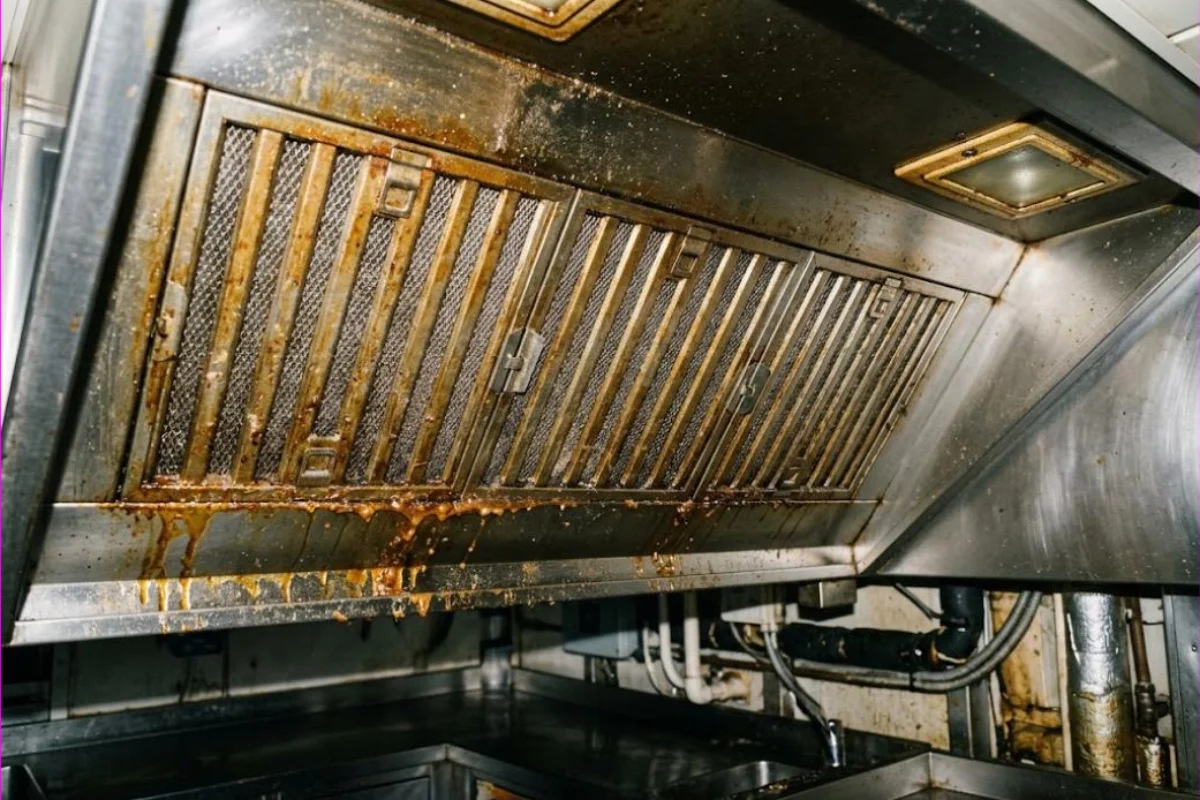
Galley Grease and Cooking Smells
When the extraction stops taking smells out and starts sending them back.
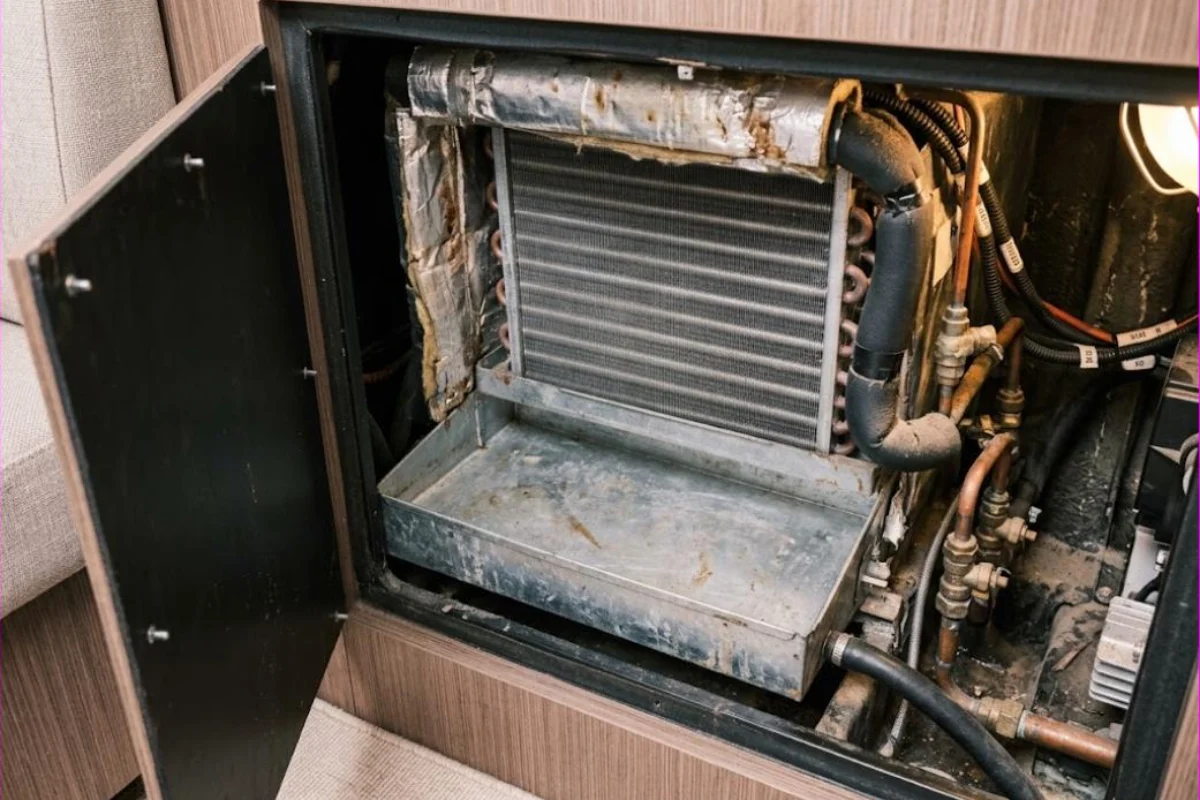
Yacht Odour Removal & Source Investigation
Bad Smells on a Yacht? Find the Source, Not a Cover-Up.
Post-Refit Yacht Sanitization
The technical hygiene phase between the yard and the return to service.
Tell us about the yacht
Yacht length, marina, systems and what you have noticed on board. A technician reads the message and calls you back to plan the survey.
"*" indicates required fields
Where we work
Italian Riviera and Tuscany marinas and yards — Viareggio, La Spezia, Portofino, Genoa, Sanremo, Livorno, Argentario — and other Mediterranean ports on request.
Documented work
Every job ends with a technical report and photos for the yacht's records.

Not sure where the problem starts?
Let the technical team assess it onboard.
In marina, at the yard or during lay-up. We tell you what needs treating — and what doesn’t.
+39 0584 433 198Expertise.
Peace of mind.