
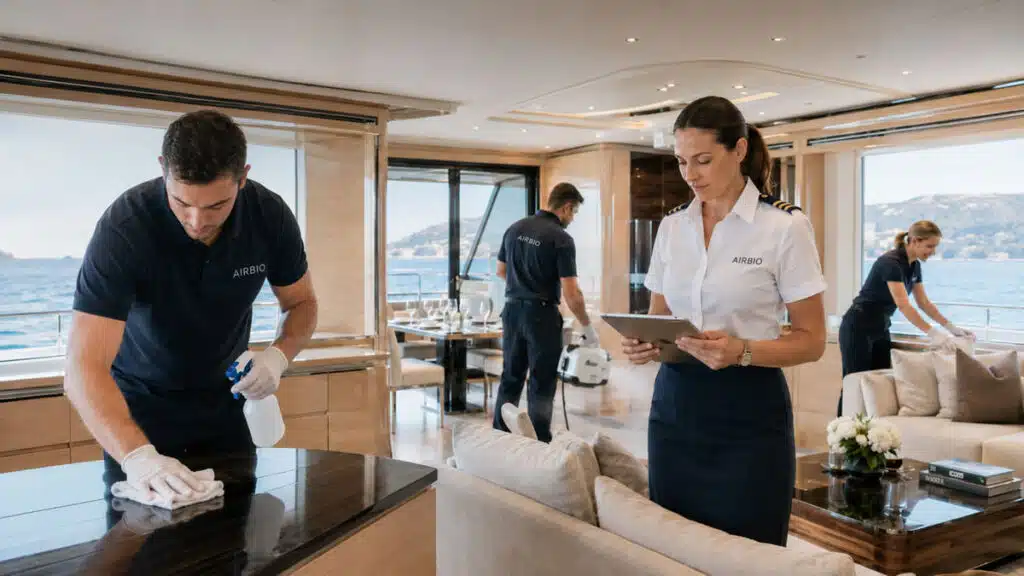
Yacht Mould & Condensation Remediation
Removing the visible mark is only one part of the job.
We remove mould from yacht interiors and technical spaces, and investigate why it formed: moisture, poor ventilation, condensate and HVAC problems. Work is planned with the crew and carried out with products chosen to respect teak, lacquer, leather and fabrics.
yacht experience
Where mould usually appears on a yacht
Mould on board rarely arrives on its own. It follows water: condensation, humidity and surfaces that stay damp for too long.
Why mould returns after it has been wiped away
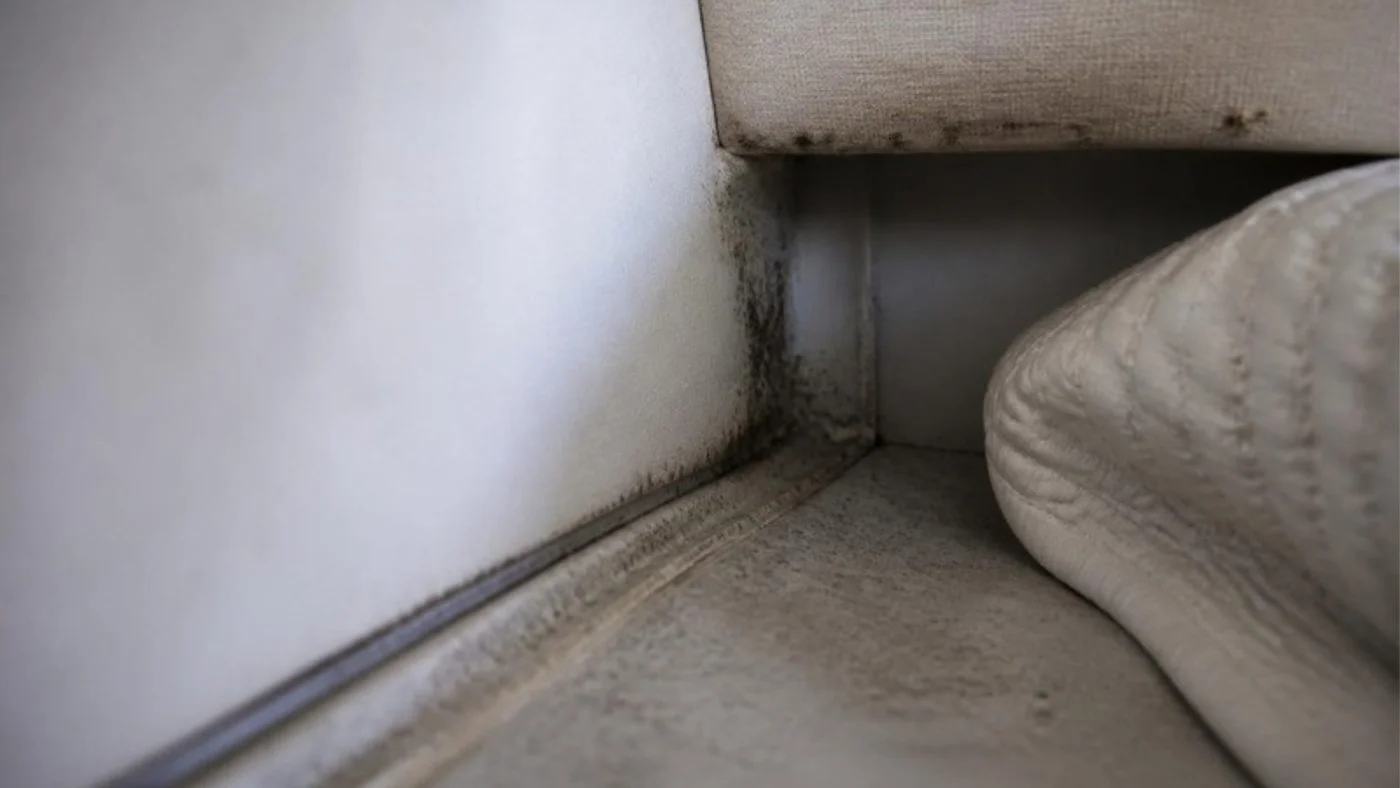
Mould needs three things: a surface, some organic material such as dust or fabric fibres, and moisture that stays long enough. On a yacht, the moisture comes from sea air, cooking, showers, people breathing in closed cabins, and the air-conditioning itself, which produces condensate every hour it runs.
Wiping a stain removes what you can see. If the surface stays damp — because a drain line drips behind a panel, insulation is wet, or a cabin is closed with no airflow — the mould can return in the same place. It may also be growing where it cannot be seen, such as behind panels, inside lockers or in the unit that serves the cabin.
That is why we treat mould as a moisture problem first. The visible mark tells us where to start looking, not where the job ends.
Humidity, condensate, leaks or condensation on cold surfaces.
Panels, linings, fabrics or insulation stay wet for hours.
Mould develops on dust and organic material on the surface.
Airflow can carry spores and musty smell into cabins.
If the moisture source remains, growth can come back.
Removing the visible mark is only one part of the job
Surface mould removal means cleaning and treating the areas where growth is visible. It matters, because it removes contamination and restores the look of the interior. But on its own it does not answer why the mould formed.
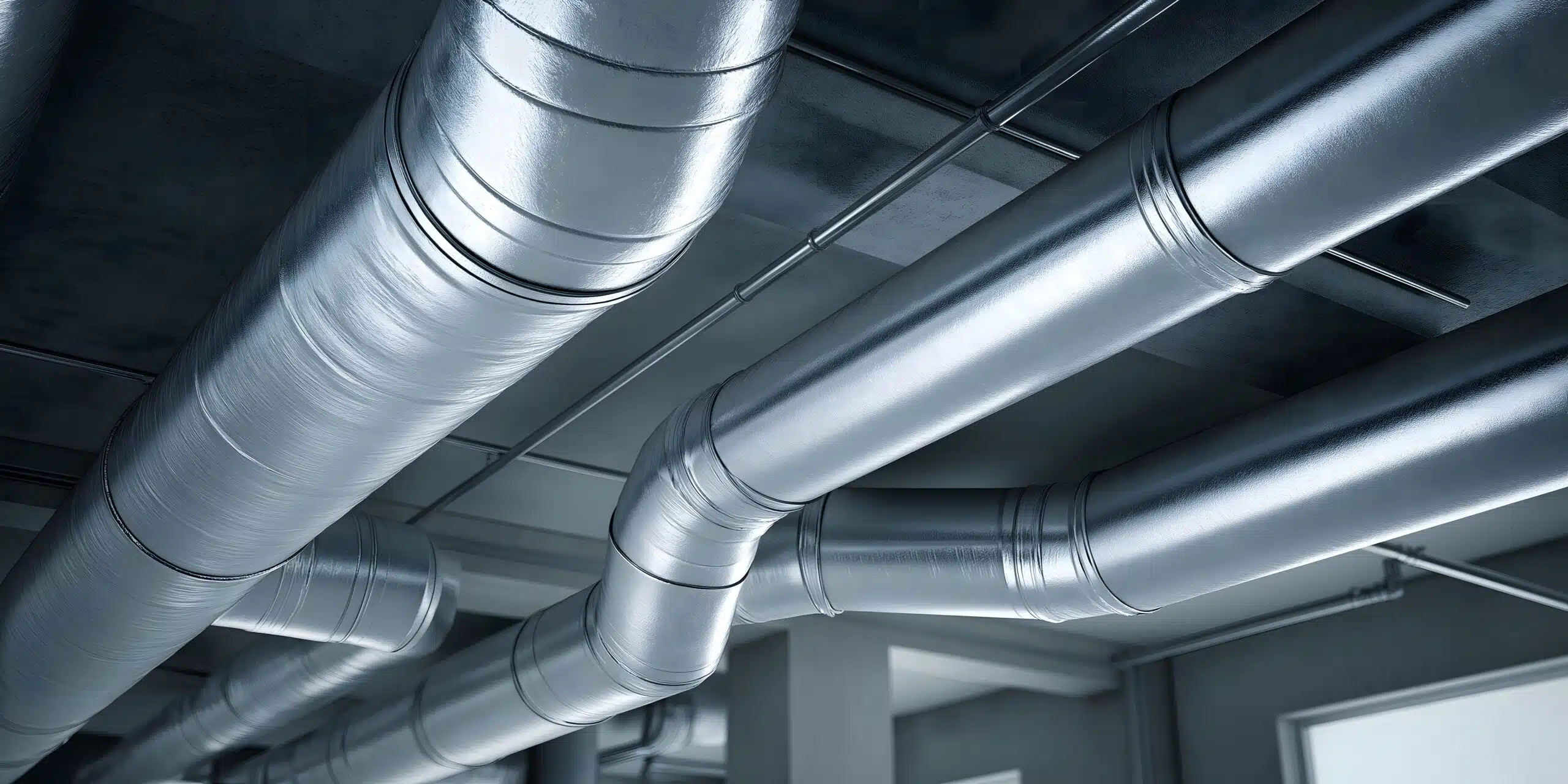
Source investigation means following the moisture back: checking the ventilation of the space, the condensate path of nearby AC units, the ducts and outlets, hidden surfaces behind panels, and whether humidity keeps rising in the same area. Where the cause is a leak or a building fault, we flag it and coordinate with the yard or the relevant contractor.
Yacht interiors are also made of materials that do not forgive the wrong product. Teak, lacquered joinery, leather and fine fabrics can be marked, bleached or dulled by aggressive chemicals. We test and choose products for each surface, and where a finish is too delicate for treatment on board, we say so rather than risk it.
- Moisture sources: condensation, leaks, humid spaces
- Ventilation of closed cabins and compartments
- Condensate trays and drain lines of nearby units
- HVAC outlets and ducts serving the affected area
- Hidden surfaces behind panels and inside lockers
- Areas where humidity keeps coming back
Signs of a mould or condensation problem on board
Some of these signs appear long before mould is visible. They are reasons to look closer, not proof of contamination.
Recurring spots
Marks that come back in the same place suggest an ongoing moisture source.
Persistent high humidity
Cabins that feel damp even with the AC running may have ventilation or unit problems.
Condensation overnight
Water on windows, hull linings or metal fittings in the morning.
Musty smell
Can be associated with hidden growth behind panels or in soft furnishings.
Mould near air outlets
Growth around vents should be checked together with the unit and duct feeding them.
Long periods closed
Cabins and compartments sealed for weeks with no airflow.
Not sure what your systems actually need?
Tell us the yacht, what the crew has noticed and where she is now: a technician calls you back within 24 hours and plans the survey around your programme.
How we inspect mould and moisture on board
We map where mould is visible and where the crew has noticed smells or damp, then look for what connects those points: a shared AC unit, a cold surface, a closed locker, a technical space next door.
Where microbiological sampling is useful, samples can be taken and analysed by an accredited laboratory, and the certificates are added to the report. Every inspected area is photographed.
- Visible growth: location, extent and surface material
- Hidden areas behind accessible panels and in lockers
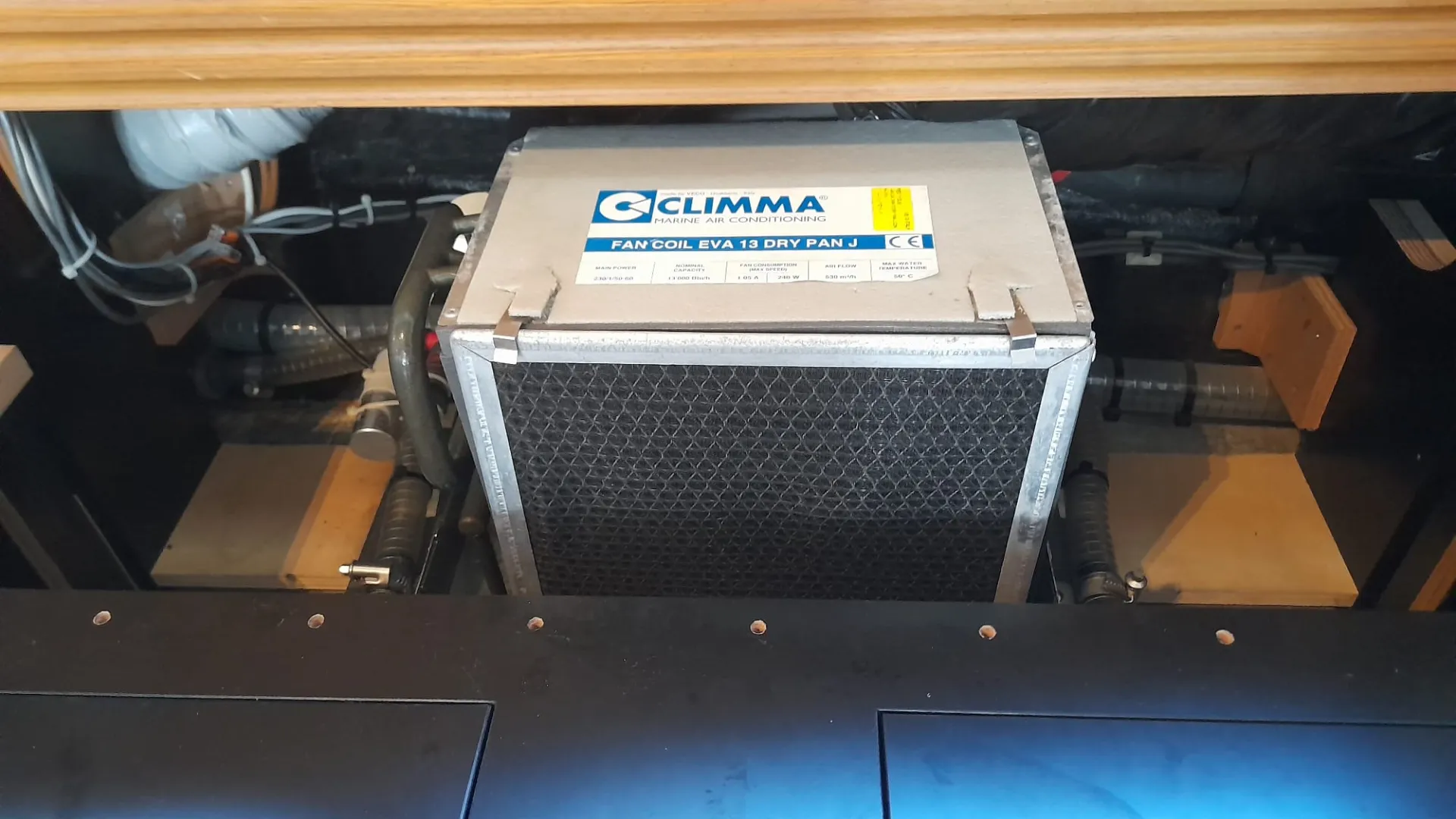
- AC outlets, fan coils and condensate drains nearby
- Signs of leaks, wet insulation or cold surfaces
- Ventilation and airflow in closed cabins and compartments
- Soft furnishings close to affected surfaces
- Sampling for laboratory analysis where agreed
How we remediate mould on a yacht
Each step protects the interior first and deals with the moisture source as well as the visible growth.
Protection and containment
Floors, furniture and finishes are covered and masked; the work area is separated from the rest of the yacht where possible.
Surface-by-surface product choice
Products are selected and tested for teak, lacquer, leather, fabrics and technical surfaces before use.
Removal of contamination
Mould is removed mechanically and with suitable products, with vacuum extraction to avoid spreading residue.
Source work
Nearby fan coils, condensate trays, drains and outlets are cleaned; leaks or faults outside our scope are flagged.
Sanitization
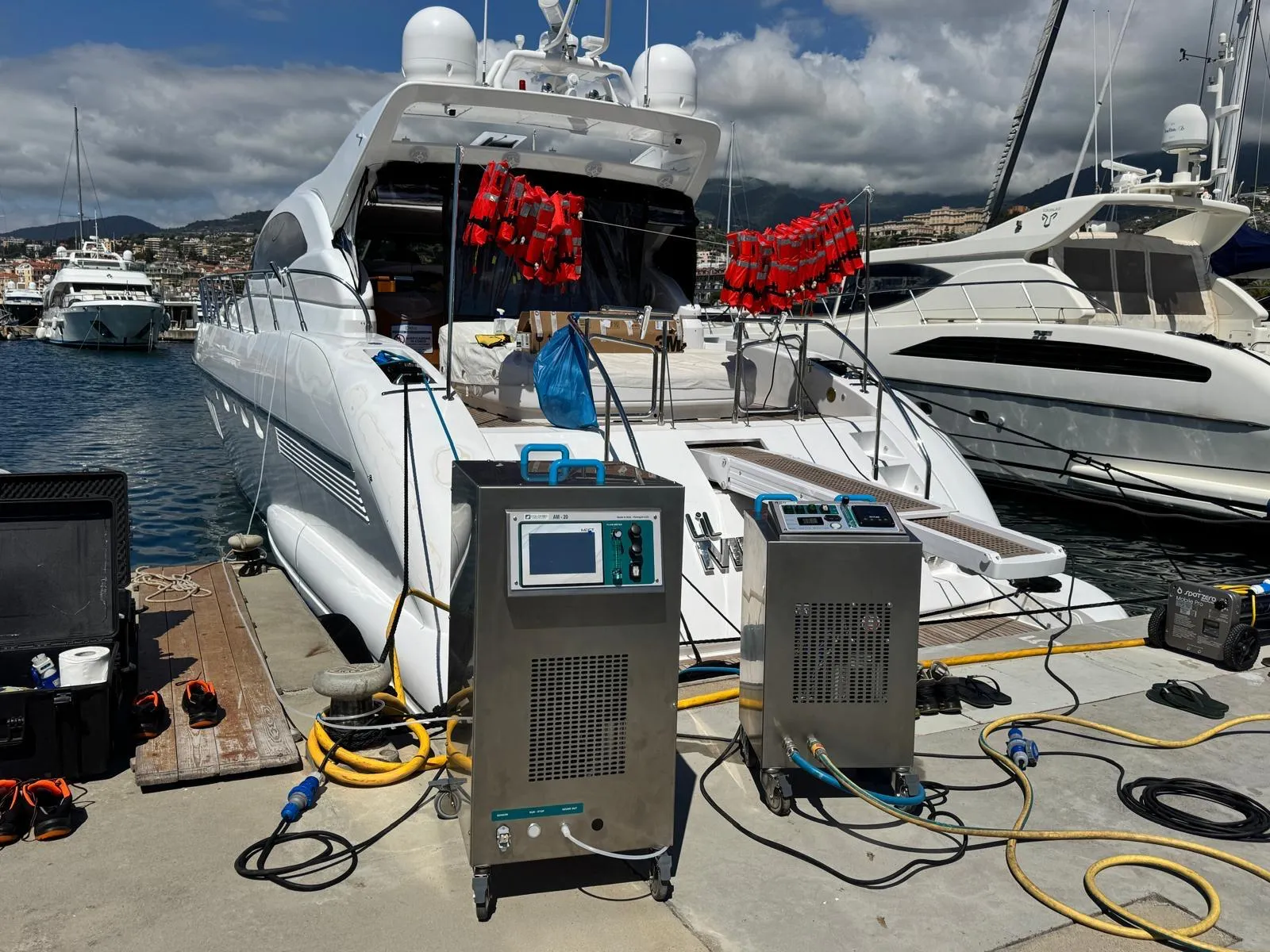
Treated areas are sanitized, and closed spaces can be treated with ozone where suitable, kept empty and ventilated afterwards.
Checks and report
Areas are re-inspected and photographed; the report lists causes found and recommendations to limit recurrence.
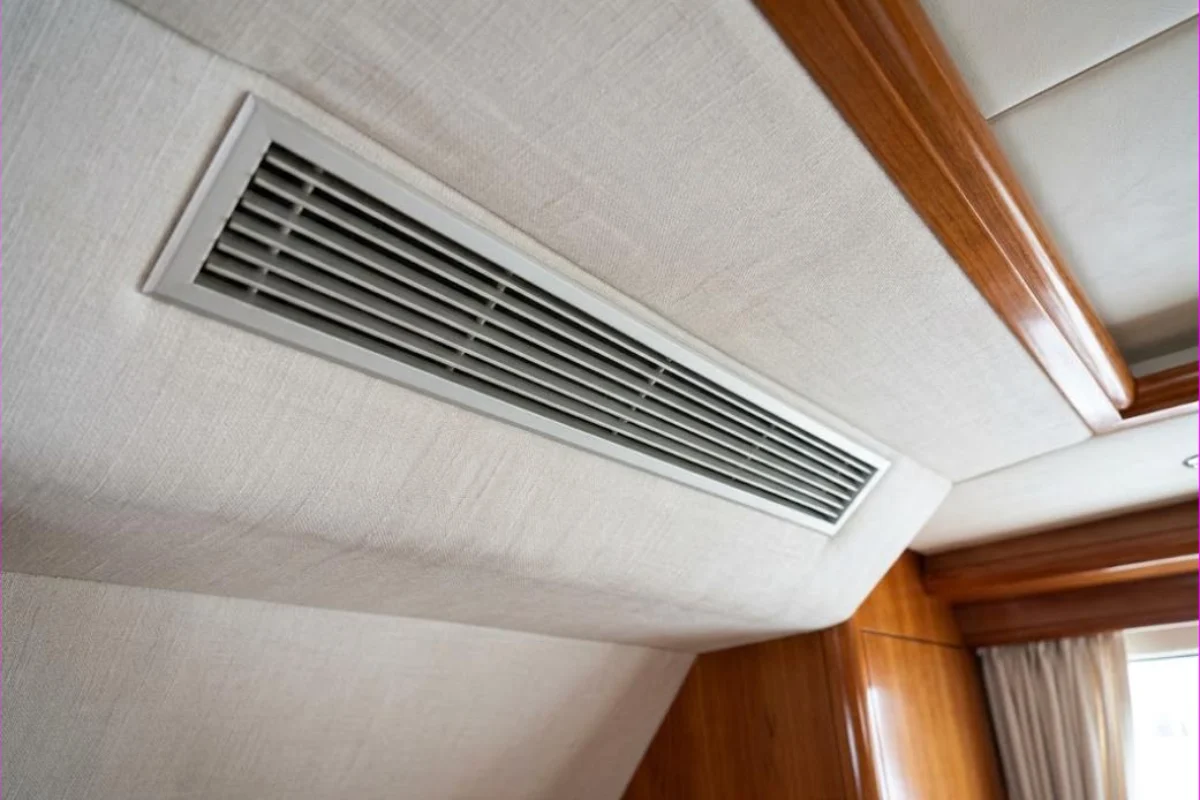
Mould around a ceiling air outlet
Illustrations of a typical situation, not photos of a specific yacht. Real photos of your yacht are included in our report.

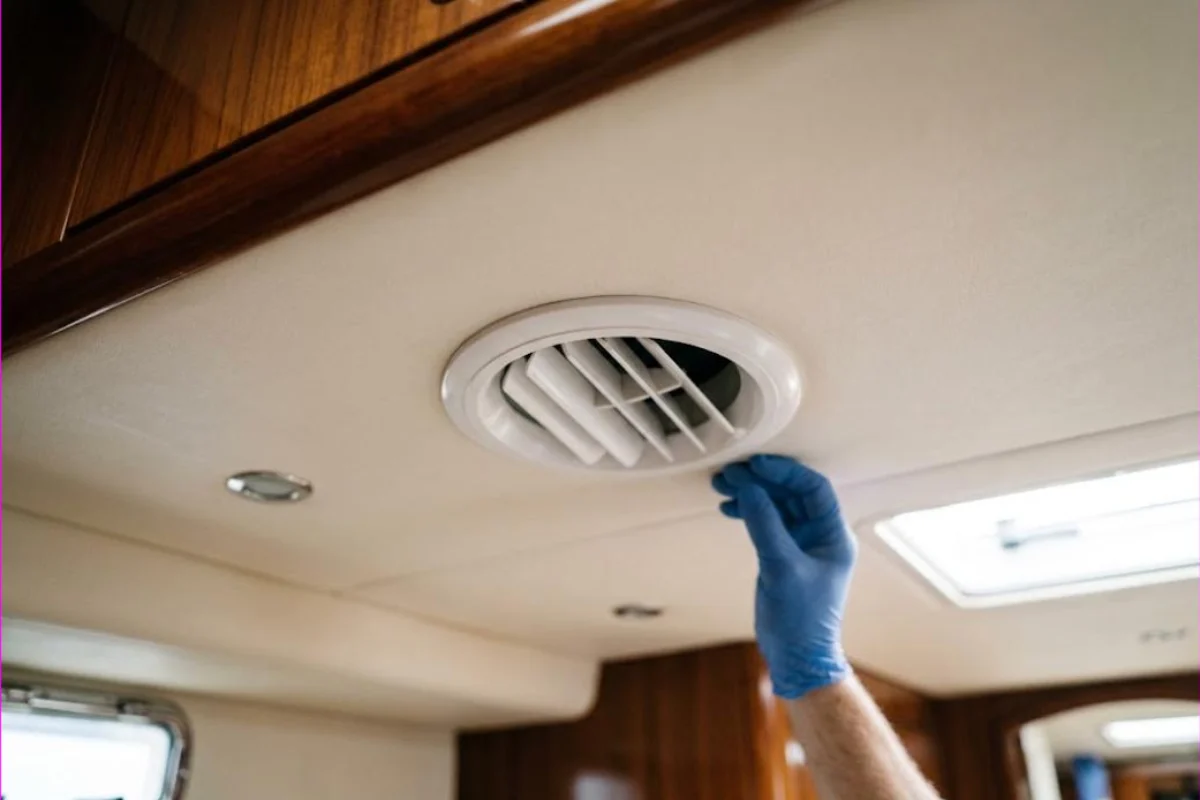
Illustrative visual showing the type of condition we find and the result we work towards. Photos of real AirBio Marine jobs are shown in the gallery below and in every client report.
On board and on the quay
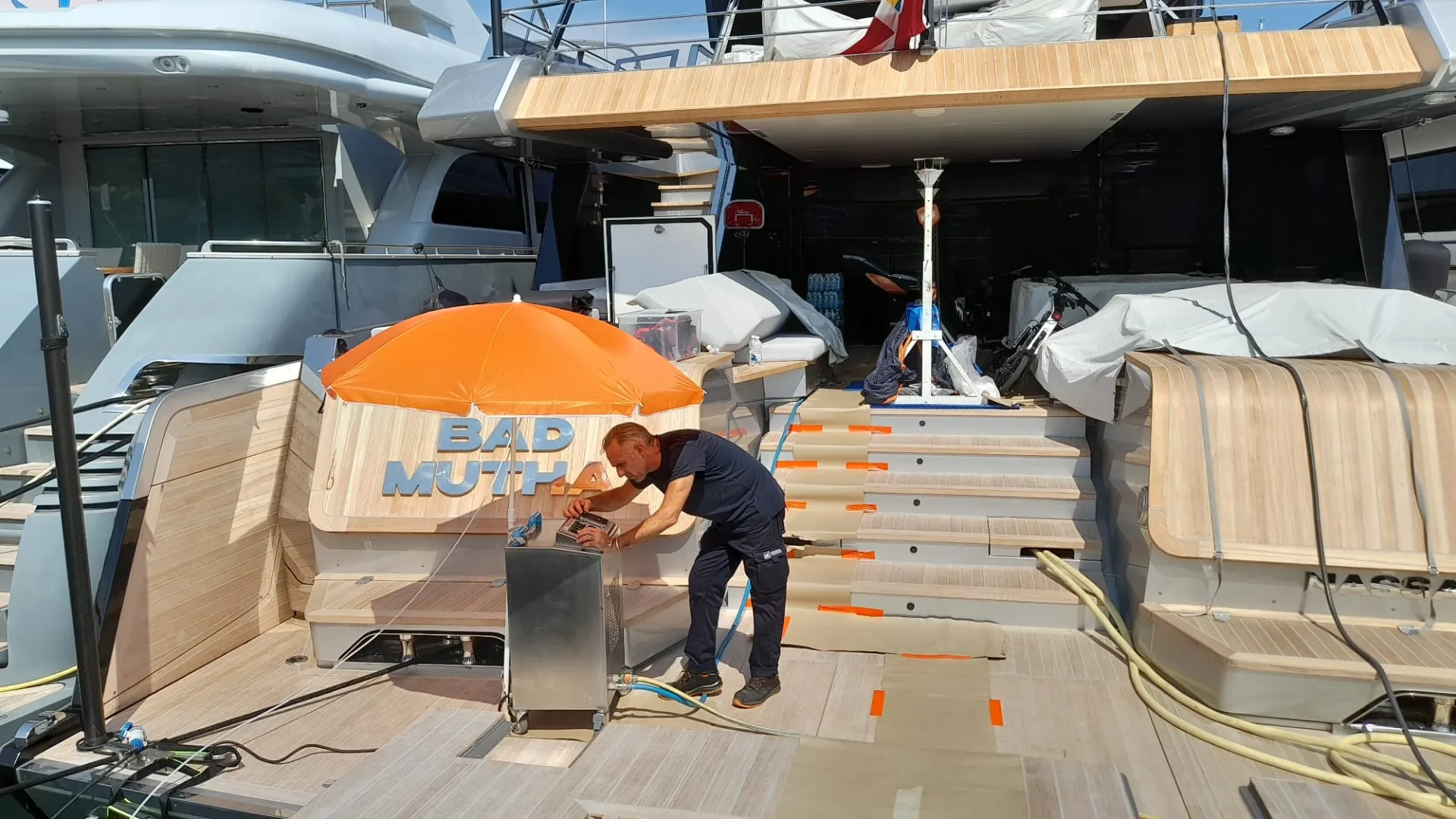
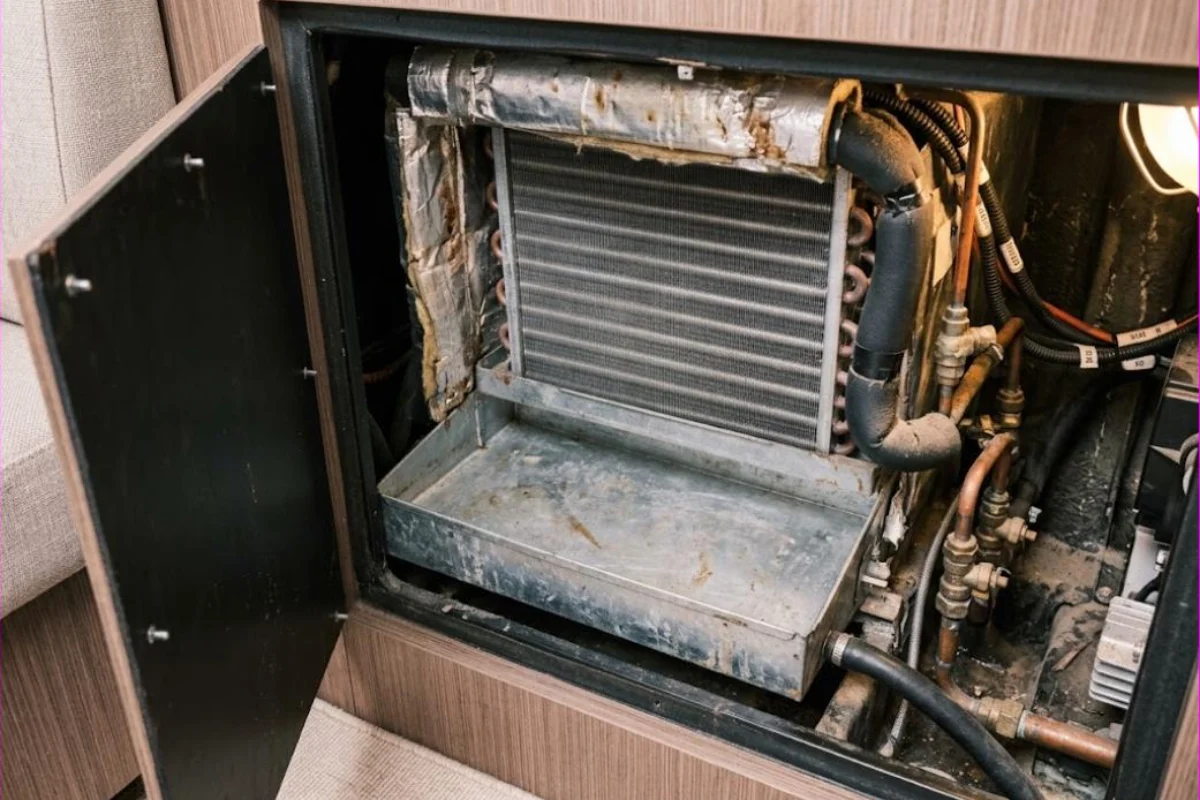
Real photos from AirBio Marine jobs: the fan coils we check when mould appears near outlets, and our equipment on the dock.

Verified reviews on Trustpilot
What you receive
Moisture source findings
What may be feeding the mould, and which causes were confirmed on board.
Photos of treated areas
Before and after photos of each area, including hidden surfaces opened.
Technical report
Areas treated, products and methods used for each type of surface.
Lab certificates
Accredited laboratory results where microbiological sampling was carried out.
Prevention recommendations
Ventilation, humidity and maintenance points to reduce the chance of recurrence.
One report for the yacht's technical history
Every job closes with a written report: what was inspected, what was found, what was treated, photos before and after, readings where taken and recommendations for the next check. Useful for the captain, the management company, the next survey and the next season.
Who this service is for
You want mould gone without harming the teak, lacquer and leather you chose, and you want to know why it appeared.
You get the affected areas treated and a clear account of the moisture sources, so the crew can act on them.
Your team stops fighting the same spots in the same cabins, and delicate furnishings are handled with suitable products.
Documented findings, photos and lab results where sampling was done support decisions on repairs and budgets.
Where we carry out mould remediation
We work in marinas and yards across the Italian Riviera and Tuscany, and in other Mediterranean ports on request.
Monaco
Spain
and beyond
Wherever you are in the Mediterranean, we can be there.
Book the survey before your next movement
We work in the main Mediterranean marinas and refit yards, with documented results and lab analysis where required.
Mould on yachts: questions
Why does mould keep coming back on my yacht?
Mould usually returns when the moisture that caused it is still there. Common reasons on yachts include condensation on cold surfaces, humid cabins kept closed, blocked AC condensate drains, wet insulation behind panels and poor ventilation in lockers or technical spaces. Cleaning the visible growth without dealing with these sources often means the marks reappear in the same area.
Can you remove mould without damaging teak or leather?
We choose products for each surface and test them in an inconspicuous spot before treating visible areas. Teak, lacquered joinery, leather and fine fabrics each react differently, and aggressive chemicals can bleach or dull them. Where a finish is too delicate to treat safely on board, we tell you and recommend a specialist rather than risk the material.
Is mould on a yacht linked to the air conditioning?
It can be. AC units produce condensate, and if trays or drains are dirty or blocked, the unit and the area around it may stay damp. Cold outlets can also cause condensation on nearby surfaces. We inspect the fan coils and outlets serving affected areas as part of the investigation, but mould can also have causes unrelated to HVAC.
Do you test the mould in a laboratory?
Microbiological sampling can be carried out where it is useful, for example to document the situation for the owner or management company. Samples are analysed by an accredited laboratory and the certificates are added to our report. Sampling is not always needed to plan remediation, and we discuss with the crew whether it adds value in your case.
What happens if the cause is a leak?
If the investigation points to a leak, a hull or deck fault, or a plumbing problem, we document it with photos and flag it in the report. Repairs of that kind are outside our scope, so we coordinate with the captain, the yard or the relevant contractor. Remediation of the affected surfaces is best completed once the source has been fixed.
How can the crew help prevent mould between services?
Keeping cabins ventilated when closed, running dehumidification where available, checking that AC condensate drains flow freely and reporting damp spots early all help. Soft furnishings should not be stored against cold hull surfaces. The report we deliver includes recommendations specific to the areas treated on your yacht.
Related services
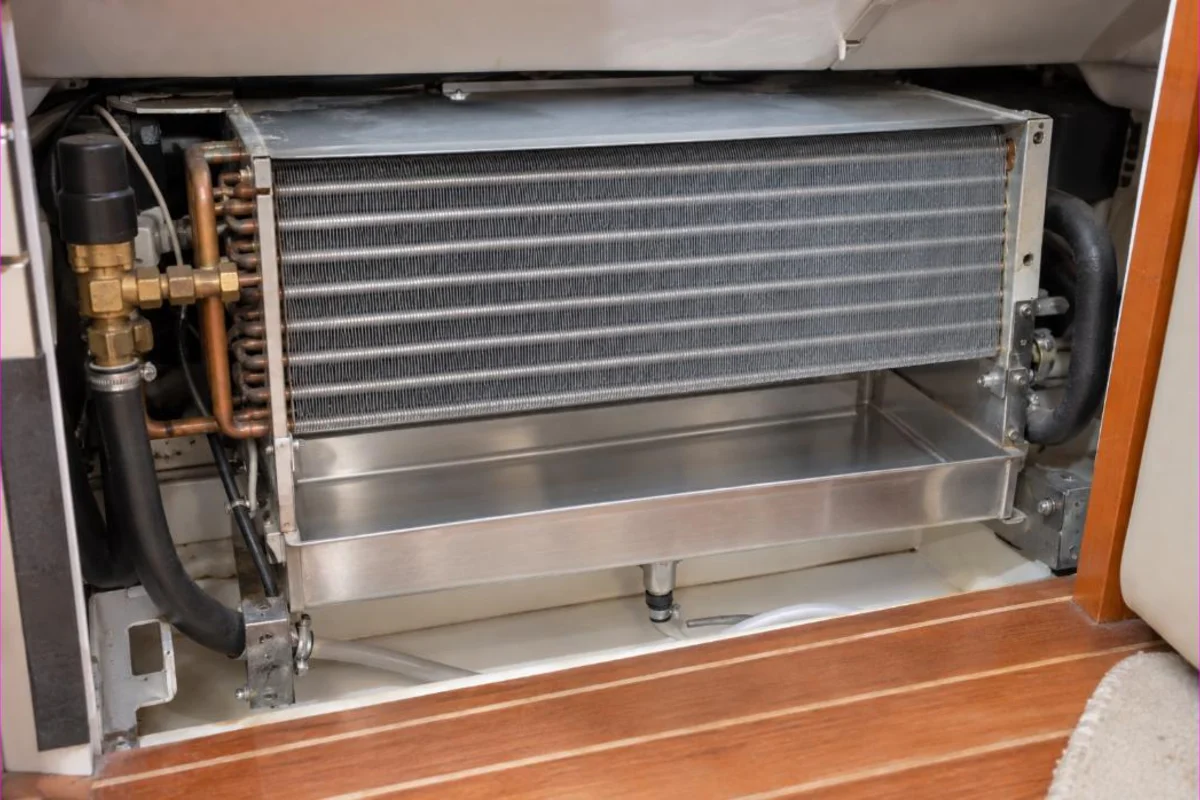
Yacht Fan Coil Deep Cleaning
A new filter does not clean the coil, tray and drain behind it.
Yacht Odour Removal & Source Investigation
Bad Smells on a Yacht? Find the Source, Not a Cover-Up.
Yacht Interior Sanitization
Cabins, saloons and crew areas sanitized with care for delicate finishes.
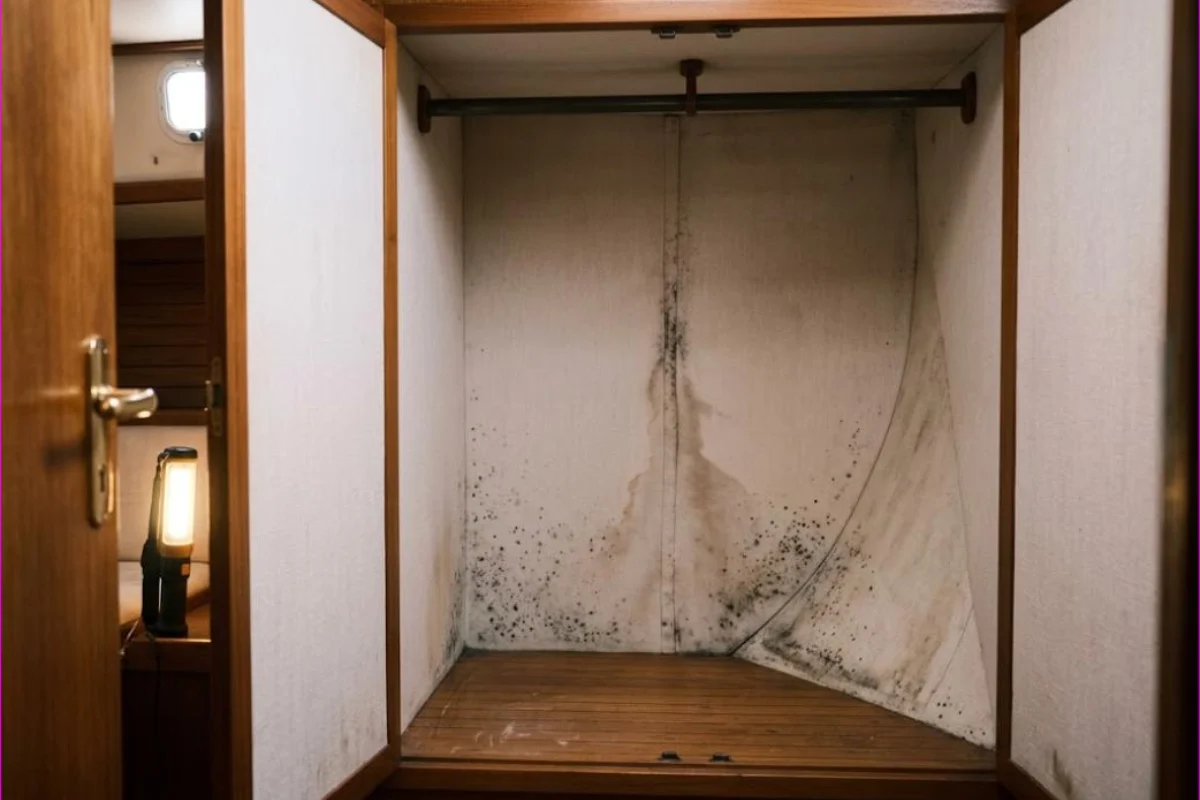
Mould on a Yacht
Wiping the spots away is easy. Stopping them coming back is not.
Tell us about the yacht
Yacht length, marina, systems and what you have noticed on board. A technician reads the message and calls you back to plan the survey.
"*" indicates required fields
Where we work
Italian Riviera and Tuscany marinas and yards — Viareggio, La Spezia, Portofino, Genoa, Sanremo, Livorno, Argentario — and other Mediterranean ports on request.
Documented work
Every job ends with a technical report and photos for the yacht's records.

Not sure where the problem starts?
Let the technical team assess it onboard.
In marina, at the yard or during lay-up. We tell you what needs treating — and what doesn’t.
+39 0584 433 198Expertise.
Peace of mind.