
Yacht Case Studies: Real Onboard Work
Two documented jobs — what we found, what we did and how we checked the result.
Every yacht is different, but the questions are the same: what is in the water, what is growing inside the air system, and how do you prove the work actually solved it. These case studies show how we survey, treat and verify, step by step.
Two jobs, start to finish
One on a water system at a shipyard, one on a motor yacht where both the fresh water system and the air conditioning were treated during the same stop. In both cases the sequence was the same: survey first, sample, treat, then sample again to check.
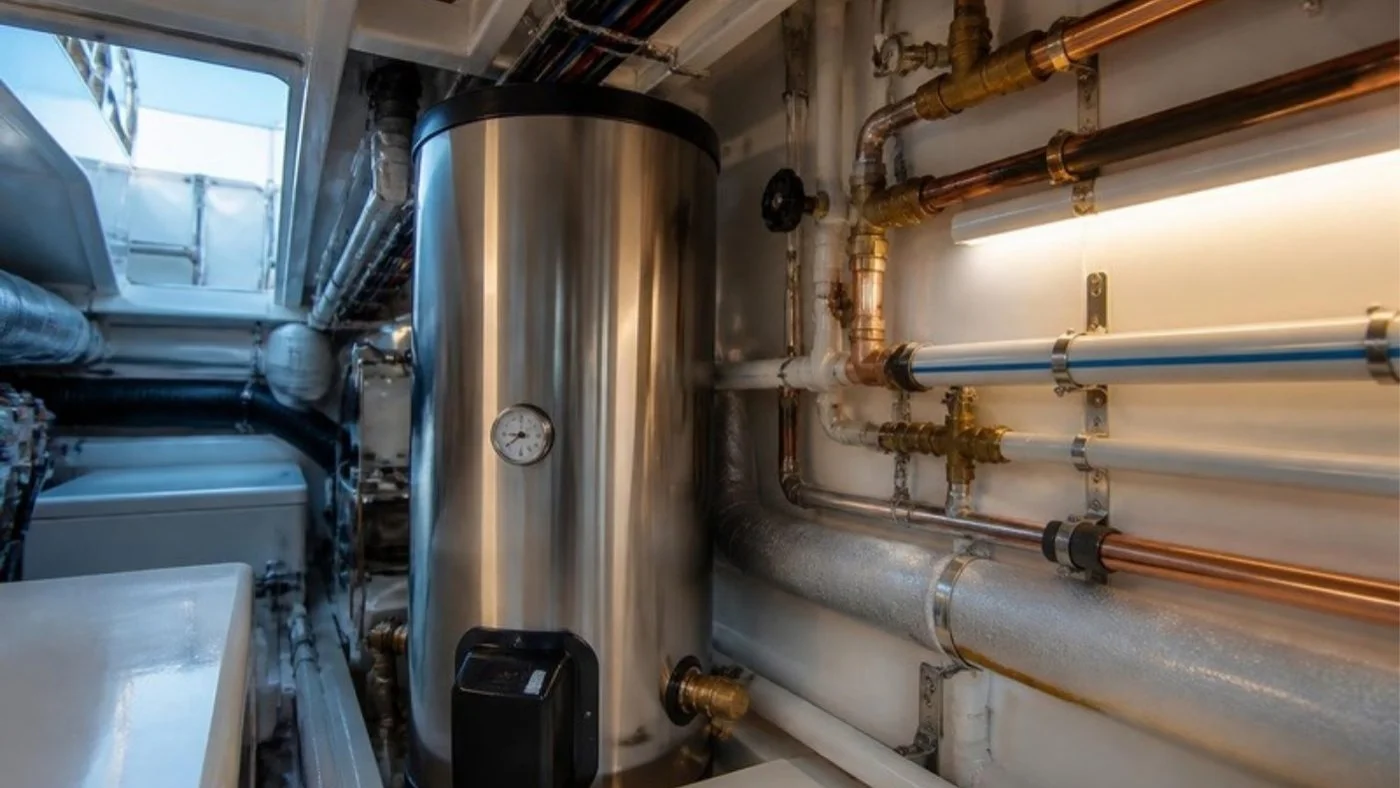
Legionella treatment on a shipyard water system
A yacht builder with a large water network, many outlets and branches that were rarely used. Sampling, accredited lab analysis, high-concentration ozone treatment across the whole network and final verification.
Read the case study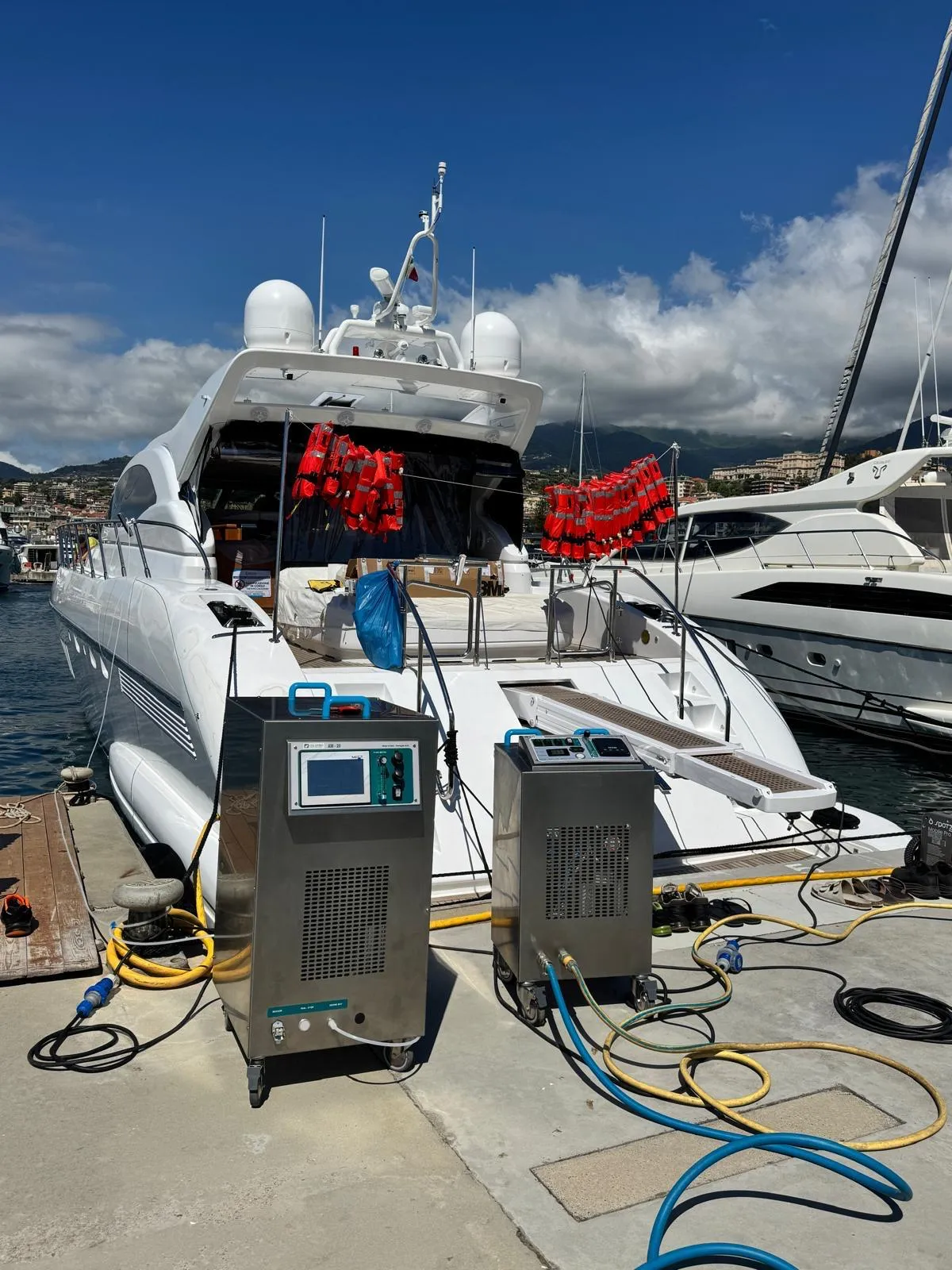
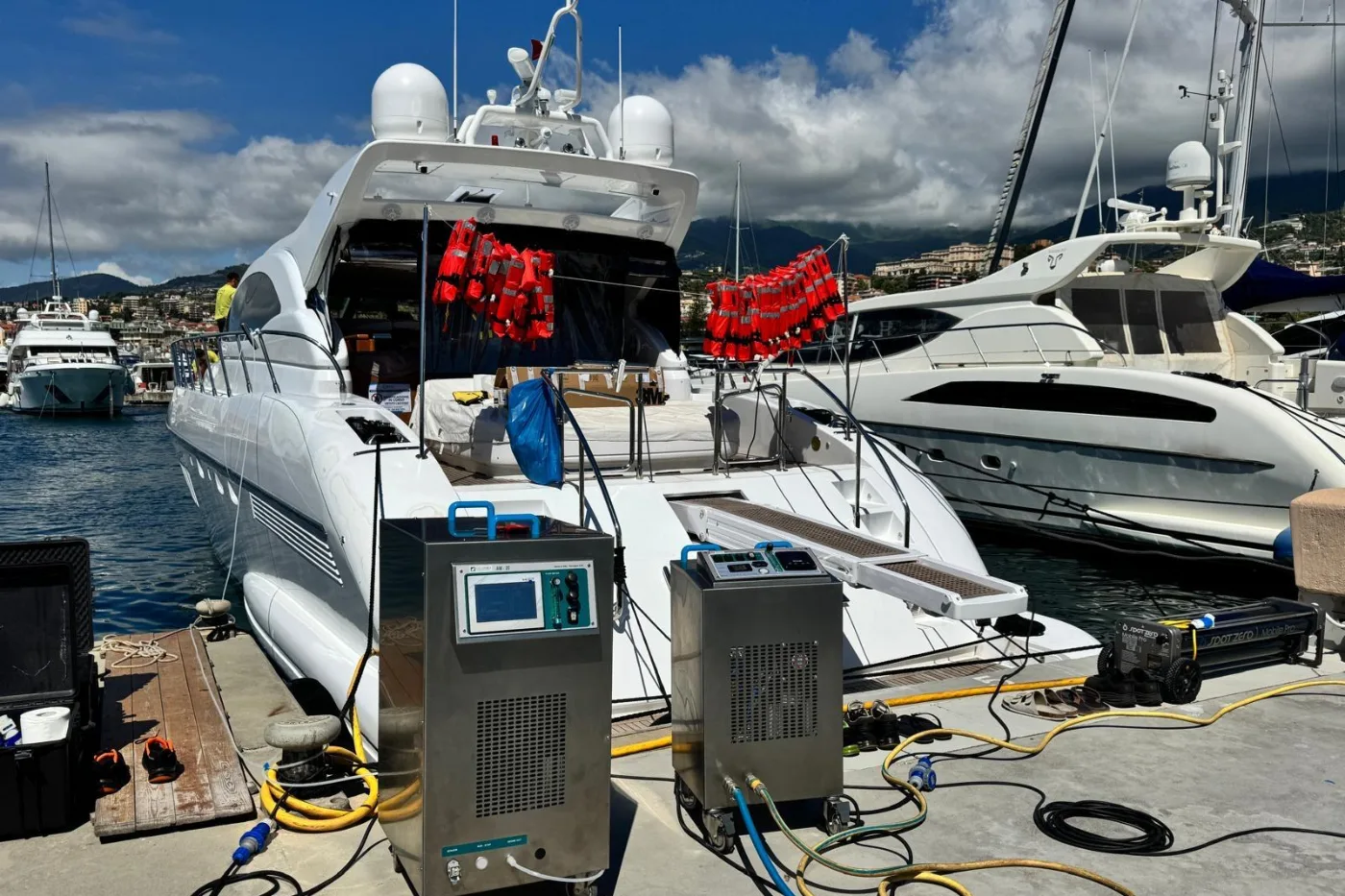
Water system and fan coils on a motor yacht
Fresh water system treated from the quay while the air conditioning fan coils were opened and cleaned below decks. Deck spa pool checked with a water analyser before handover.
Read the case studyAirBio projects ashore, same method on board
AirBio Marine is the marine division of AirBio. These jobs were carried out by AirBio on land, with the same technicians, equipment and reports we bring on board. We publish the measured results so you can see how we work before we step aboard.
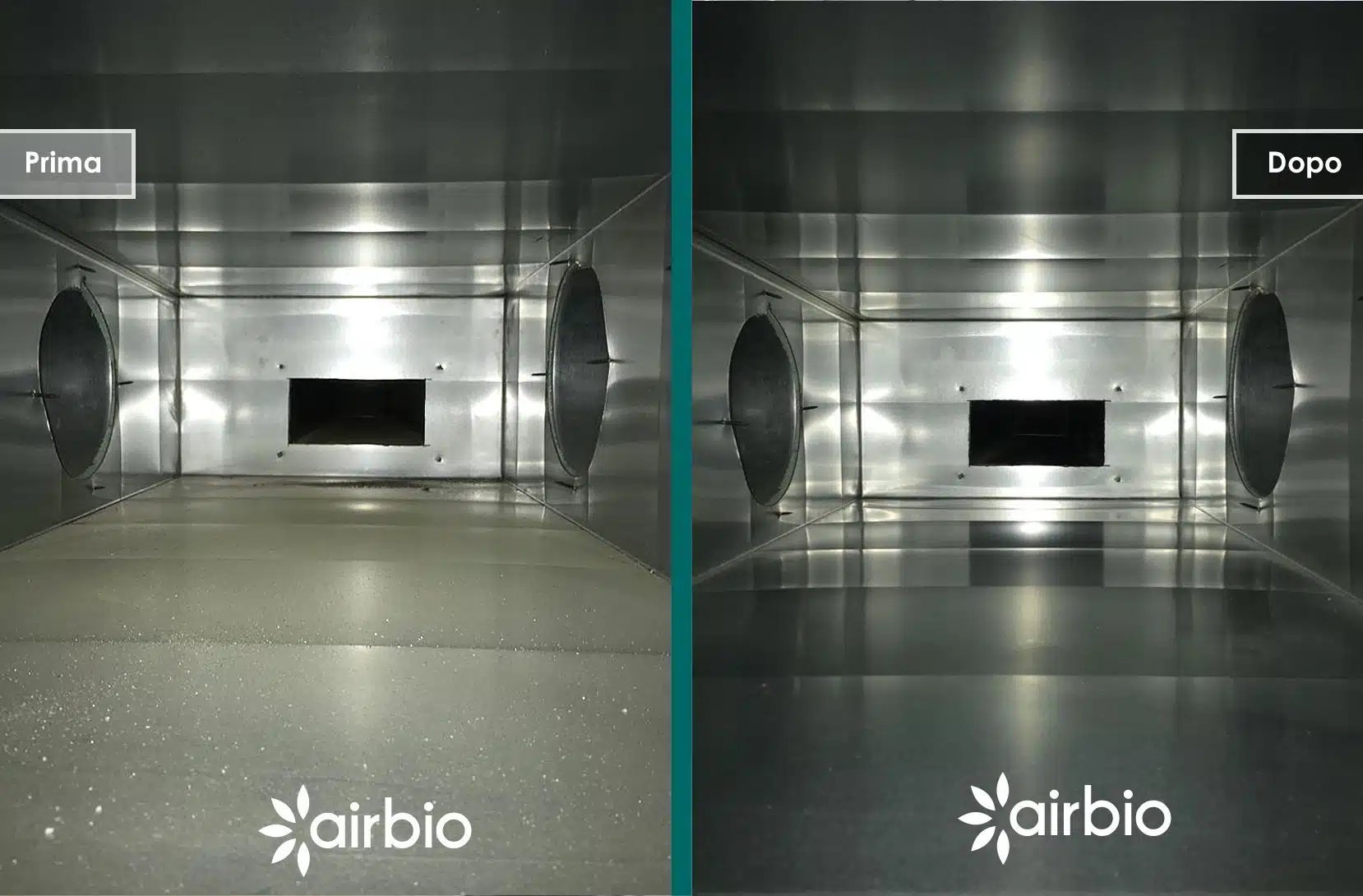
Medical centre: AHU, ducts and fan coils
Swabs before and after: over 99.9% fewer microorganisms.
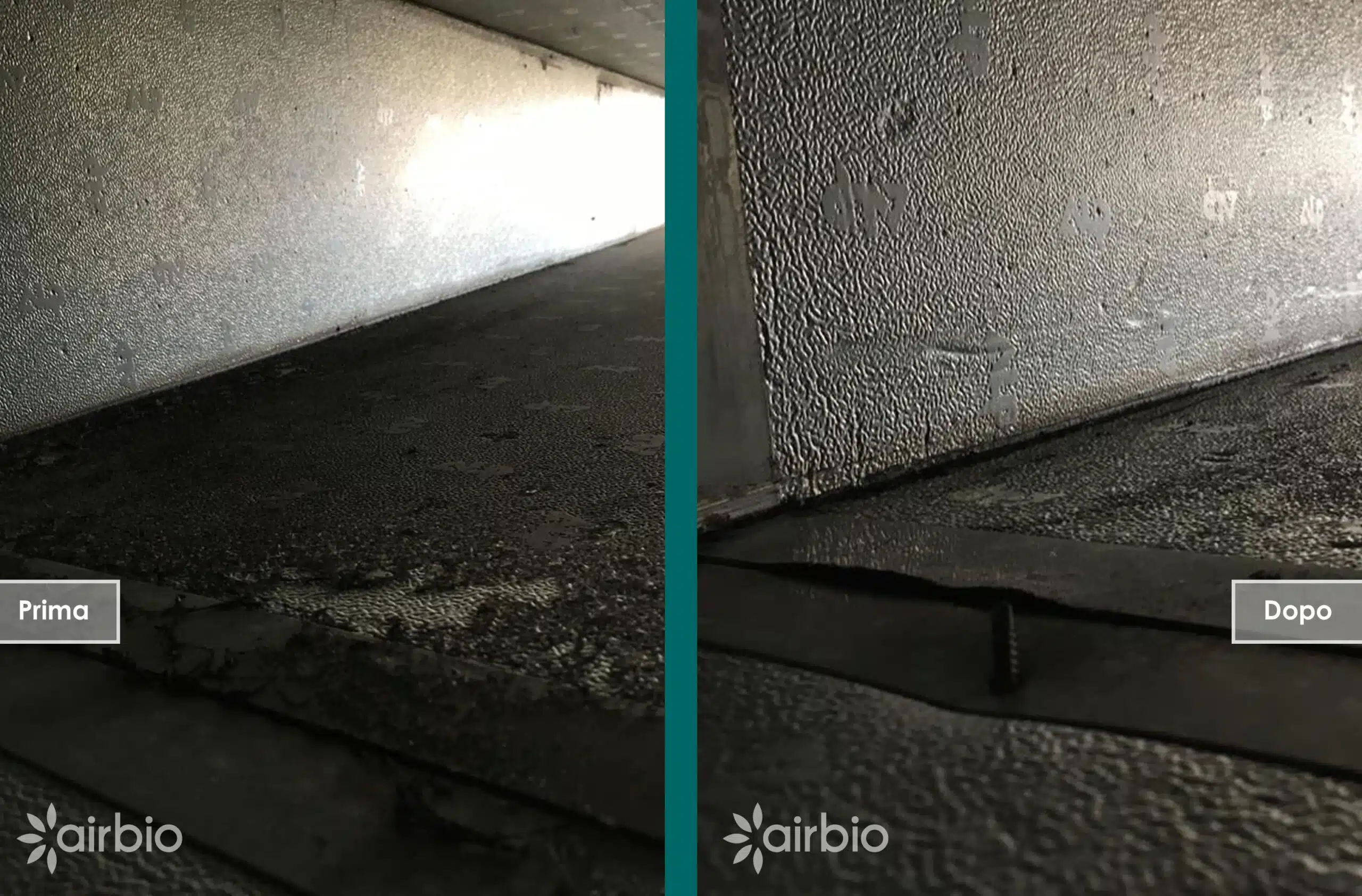
Industrial plant: supply ducts and insulation
29,000 to under 10 microorganisms per 100 cm².
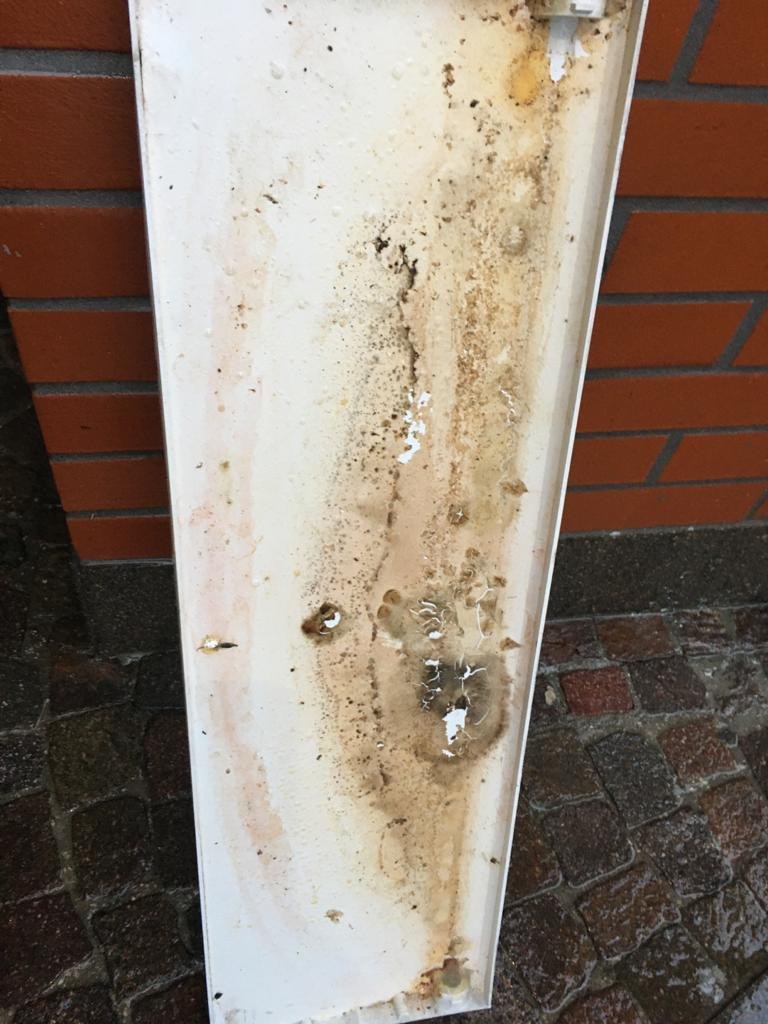
Diagnostic centre: fan coils and splits
Mould on panels and deposits in the condensate trays.
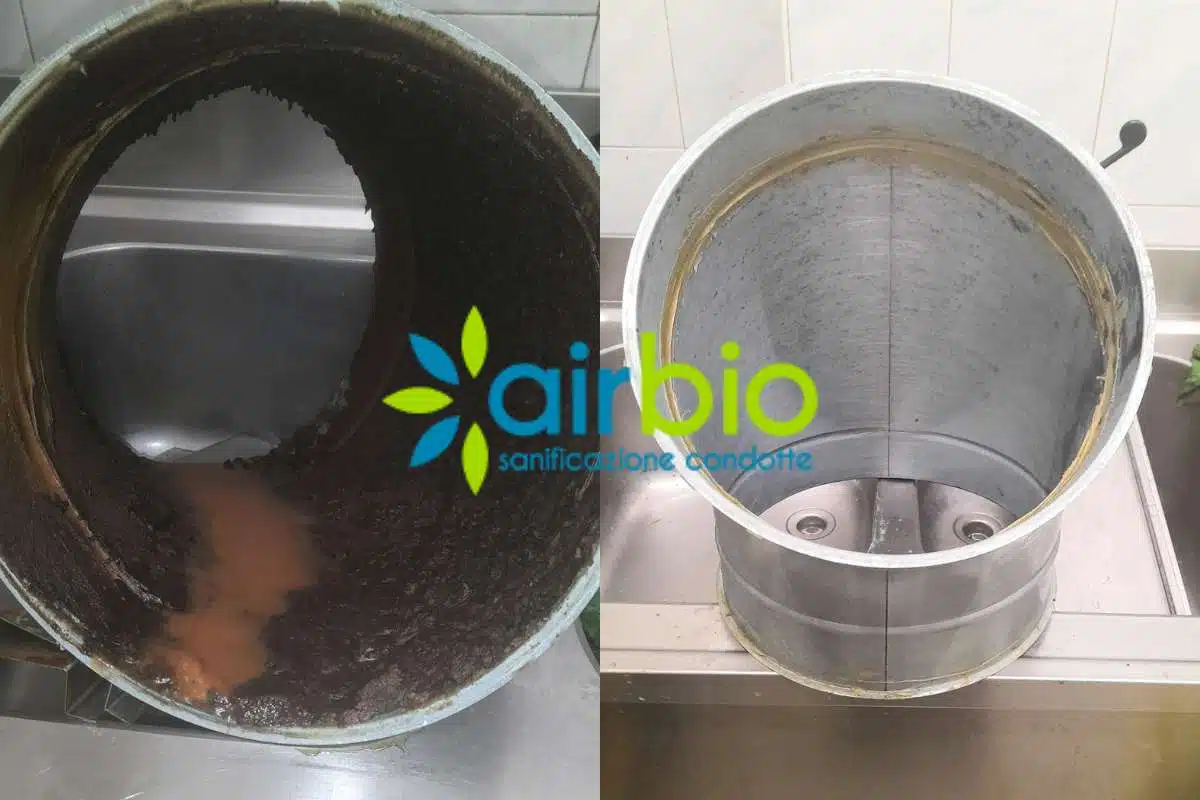
Professional kitchen: hoods, ducts and fan
A blocked extraction system brought back to work.
The same four steps on every job
Both case studies follow this order. It is what makes the result checkable instead of a matter of opinion.
We look before we treat
A technician walks the system with the crew: where the water is stored, which outlets are used every day and which almost never, where the air handling units and fan coils sit.
We take samples
Water is sampled at the points that matter and sent to an accredited laboratory. The sampling plan is written down, so the same points can be repeated later.
We treat the whole network
Treatment is distributed across the system, not just at the tank, so the branches that are rarely used are reached too.
We sample again
After the work, the same points are sampled a second time. The laboratory report is what closes the job.
Want the same on your yacht?
Tell us the vessel, what the crew has noticed and where she is now: a technician calls you back within 24 hours and plans the survey around your programme.