

Why Does My Yacht Smell Bad?
Every onboard smell has a source. Find it before you cover it.
A smell that keeps coming back after cleaning usually starts inside a system, not on a surface. This guide helps owners, captains and chief stewardesses narrow down where the odour may be coming from and what to check first.
yacht experience
“There’s a smell on board and we can’t get rid of it”
Owners and guests usually describe the same few situations. Recognising yours is the first step to finding the source.
It hits you when you open the yacht
A heavy, stale smell after the boat has been closed for days may point to air that has not moved and to damp areas inside the ventilation.
It comes back a day after cleaning
If the interior smells fresh after housekeeping but the odour returns, the source is likely hidden in ducts, fan coils, drains or water lines.
Only one cabin or one bathroom
A localised smell can be associated with the fan coil serving that cabin, a shower drain or a dead-end water line nearby.
Guests mention it before the crew does
Crew get used to a background smell quickly. Charter guests arriving fresh often notice what the team no longer registers.
Why yacht smells are hard to remove with cleaning alone
A yacht is a closed, humid environment with air, water and cooking systems packed into small spaces. Warm, damp corners inside these systems are where bacteria and moulds grow, and the gases they release are what you smell.
Most persistent odours come from one of four places: the air conditioning and its fan coils, the ventilation ducts, the fresh-water system (tanks, pipes and showers), or the galley extraction. Surface cleaning and air fresheners can mask the smell for a few hours, but they do not reach these areas.
The type of smell is a useful clue. Musty, sour, sulphur-like and greasy odours tend to be associated with different sources, which is why it pays to describe the smell precisely before deciding what to treat.
What does the smell tell you?
The most common sources of bad smells on a yacht
One yacht can have more than one source at the same time. These are the areas we most often find linked to recurring odours.
Fan coils and condensate drain pans
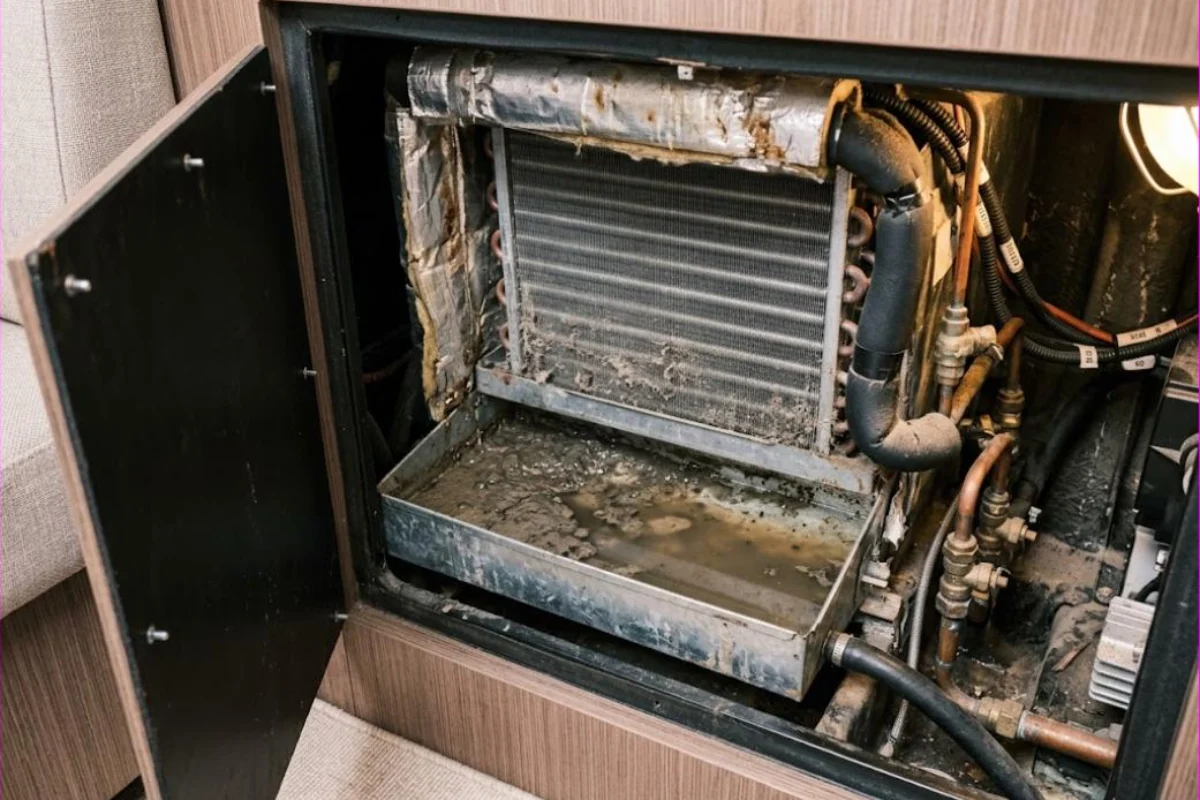
The cooling coil is permanently wet when the AC runs. If the drain pan holds water or the filter is clogged, biofilm — a slimy layer of bacteria — can grow and give off a musty smell.
Yacht Fan Coil Deep CleaningDust and residue inside air ducts
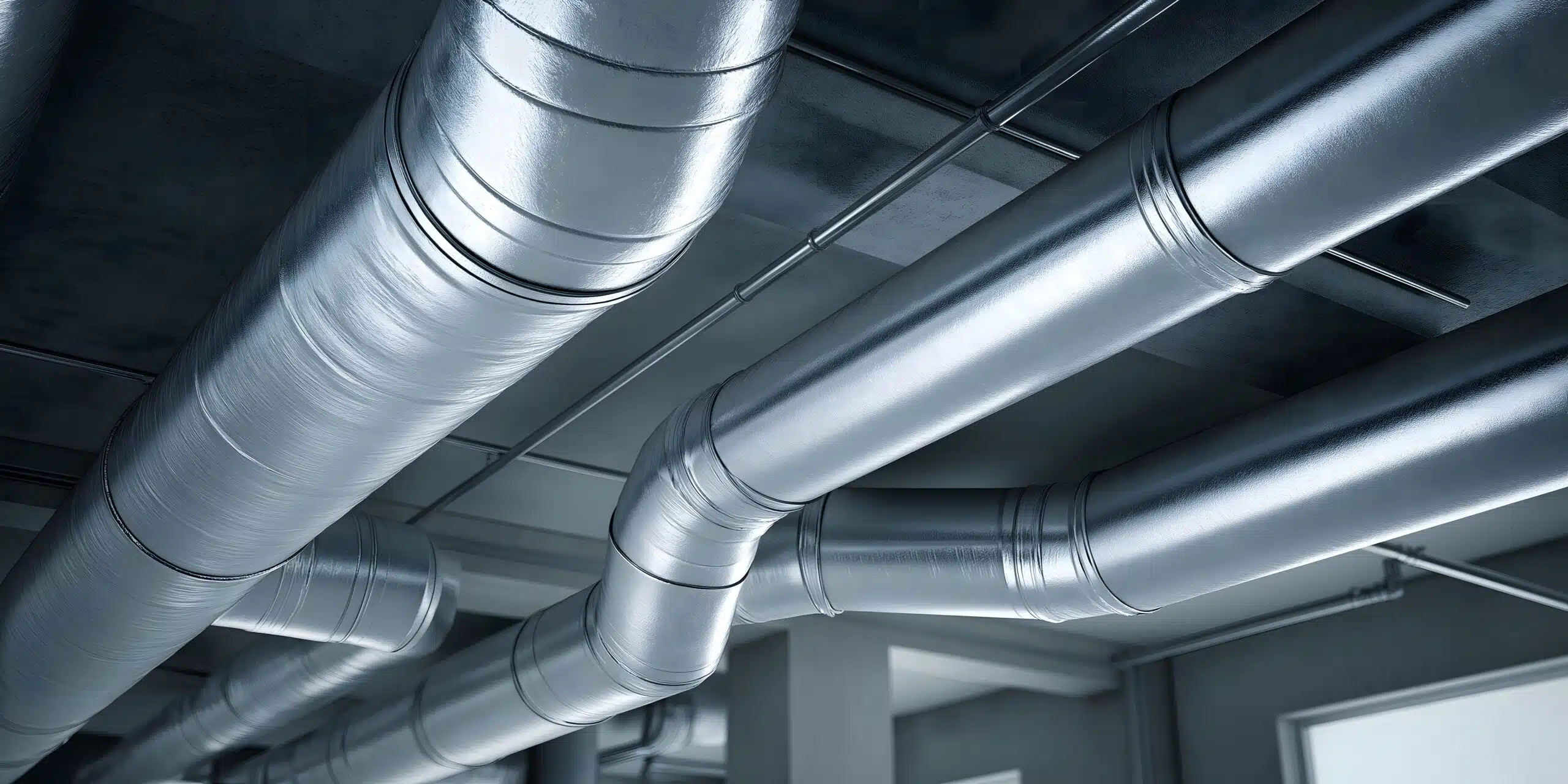
Ducts collect dust, fibres and moisture over the seasons. The air picks up that smell on its way to every cabin.
Yacht HVAC & Air Duct CleaningFresh-water tanks and pipework
Sediment in the tank bottom or biofilm in pipes that are rarely used can release sulphur-like or stale smells at the outlets.
Yacht Fresh-Water Tank CleaningGalley hood and extraction duct
Grease that condenses inside the hood and duct turns rancid over time, and the smell can travel back into the interior.
Yacht Galley Hood CleaningMould behind panels and in lockers
Condensation behind linings, inside wardrobes and in poorly ventilated lockers can lead to mould you cannot always see.
Yacht Mould & Condensation RemediationOdours absorbed by soft furnishings
Carpets, curtains and upholstery hold on to smells from past events such as a leak, smoke or a closed lay-up period.
Yacht Odour Removal & Source InvestigationNot sure what your systems actually need?
Tell us the yacht, what the crew has noticed and where she is now: a technician calls you back within 24 hours and plans the survey around your programme.
Simple checks before calling anyone
These checks help you describe the problem precisely and often point straight to the right system.
- Note where the smell is strongest and at what time: at AC start-up, in the morning, after showers or during cooking.
- Switch the AC in one cabin off and on: if the smell arrives with the airflow, the source is likely in that fan coil or its duct.
- Run the cold and hot water at a rarely used outlet for a minute and smell the first water compared with the last.
- Look at the accessible fan coil filters and drain pans for standing water, grey dust or dark slime.
- Check the galley hood filters for heavy grease and ask the chef whether the smell changes when extraction is on.
- Open wardrobes, lockers and under-bed storage after they have been closed and look for spots or a damp feel.
Follow the air from the cabin and back again
Air keeps circulating through the same six components. A problem you notice at the grille almost always starts further upstream.
- 1
Return grille
Cabin air is drawn back in here, carrying dust, fibres and skin cells.
- 2
Filter
Catches part of it. Once loaded it restricts airflow and stops holding anything.
Common source - 3
Fan coil
The coil is wet whenever the system runs; dust that reaches it stays there.
Common source - 4
Condensate tray and drain
Water collects here all season. A slow drain keeps it standing under the bunk.
Common source - 5
Supply ductwork
Short runs, restricted access, and a deposit the airflow passes through every cycle.
Common source - 6
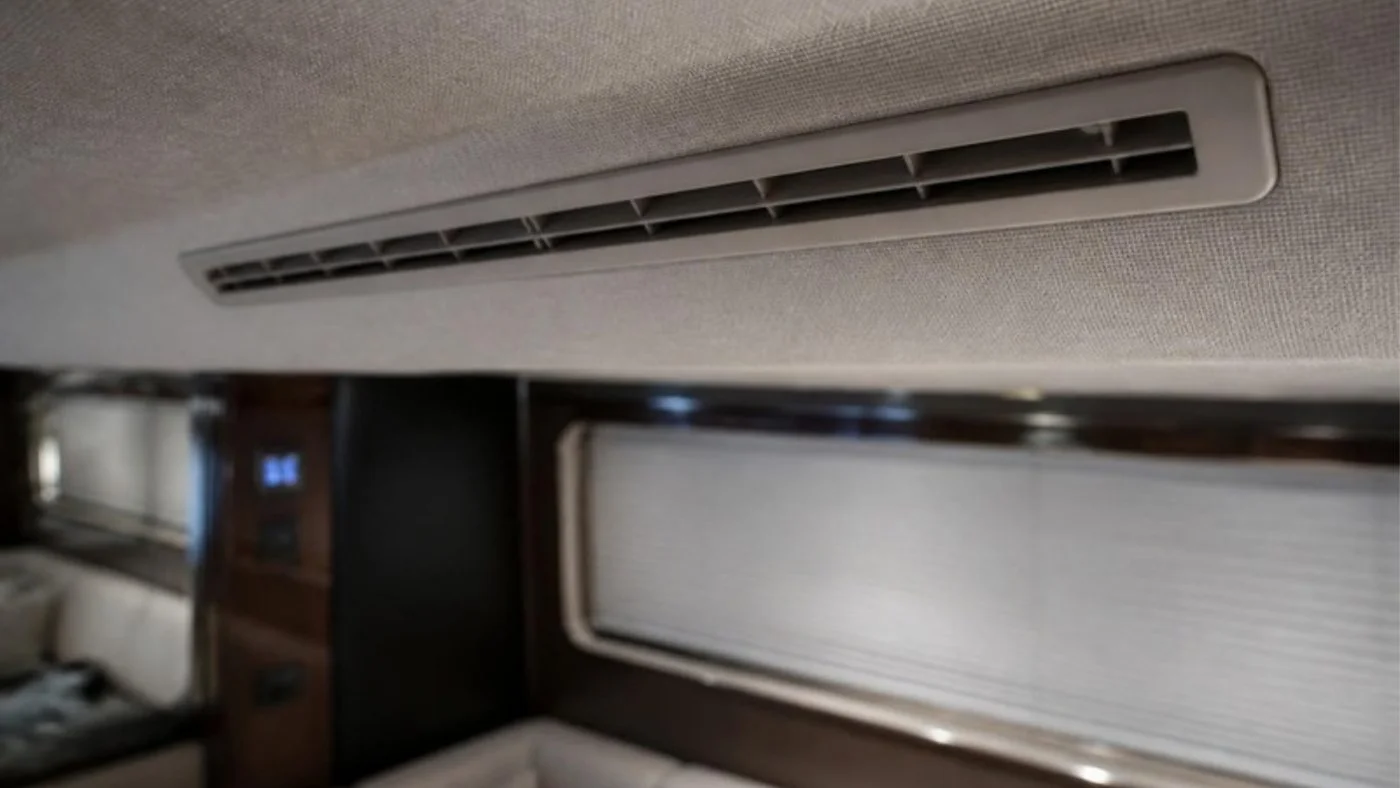
Supply grille
The cabin end: where the smell is noticed and where cleaning usually stops.
Marked in amber: the points where the cause is most often found. Wiping the grille treats the last step of a six-step circuit.
What collects inside an air distribution system
Ductwork gathers dust, fibres and moisture. Over a season this becomes a layer that the airflow passes through every time the system runs, and that everyone in the cabins served by that circuit breathes.
The video shows how the deposit forms and why cleaning at the grille does not reach it. On a yacht the runs are shorter but access is far more restricted.
When an onboard inspection makes sense
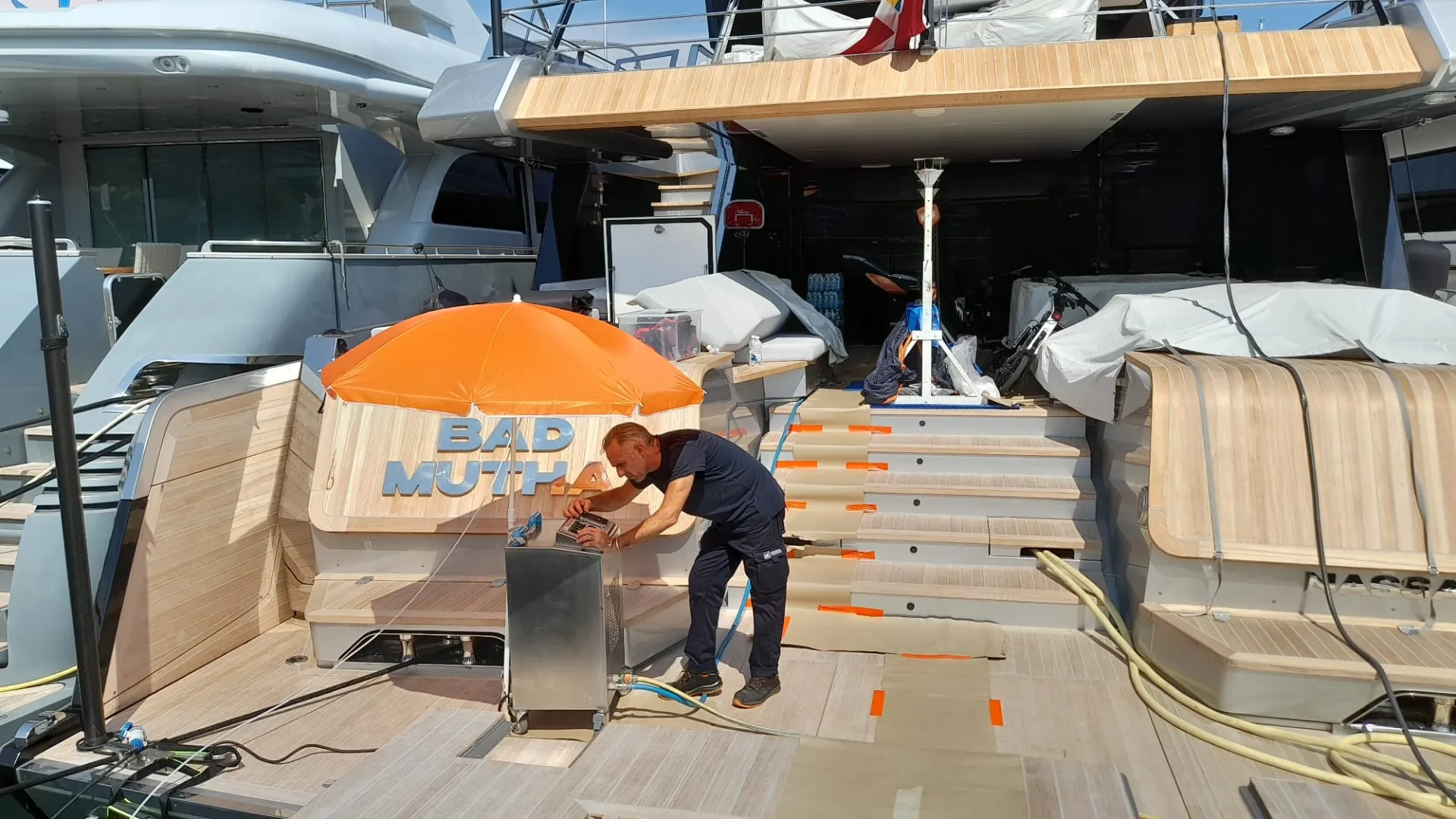
If simple cleaning has not solved the smell, the source is usually in a part of a system the crew cannot safely reach. An inspection looks inside fan coils, ducts, tanks and extraction lines, finds where the odour is generated and recommends the treatment that fits.
AirBio Marine documents what is found with photos and a technical report, so the captain and management company have a clear record of the areas involved.
- The smell returns within a day or two of cleaning.
- More than one cabin or deck is affected.
- You notice a smell from both the air vents and the water outlets.
- A charter or owner trip is coming and the problem has not been traced.
- The yacht has just come out of lay-up or refit and smells stale throughout.
Questions about bad smells on yachts
Why does my yacht smell musty even after a full interior clean?
A musty smell that survives housekeeping usually comes from inside the air conditioning system or from hidden damp areas. Fan coil drain pans, cooling coils and duct insulation stay wet and can host mould and bacteria. Surface cleaning does not reach them, so the smell returns as soon as the air starts moving again. An inspection of the fan coils and ducts is the logical next step.
Can air fresheners or ozone sprays solve the problem?
Fragrances only cover the smell for a while and can mix with the original odour. Ozone is effective for sanitizing air and closed spaces, but it works best after the source has been cleaned mechanically. If dust, grease or biofilm stay in place, the smell is likely to return. The source should be identified and removed first, then the space sanitized.
How do I know whether the smell comes from the air or the water?
Try switching the AC off in one cabin and running the taps separately. If the smell arrives with the airflow, the air system is the more likely source. If it appears when you open a tap or shower, especially first thing in the morning, the water system should be inspected. Some yachts have both, which is why a combined survey can save time.
Is a bad smell on board a health risk?
A smell alone does not tell you whether there is a health risk, but it does show that something is growing or decomposing somewhere on board. Mould and bacteria in air and water systems are a hygiene concern, particularly for guests and crew who spend many hours inside. The sensible approach is to find the source and, where water is involved, consider microbiological sampling.
Which service do I need if I don’t know the source?
Start with an onboard survey rather than a single treatment. AirBio Marine checks the air conditioning, ducts, water outlets and galley extraction, then recommends the service that matches what is found, for example fan coil cleaning, water system sanitization or odour removal. This avoids paying for a treatment that does not reach the real source of the smell.
Verified reviews on Trustpilot
Services that deal with onboard odours
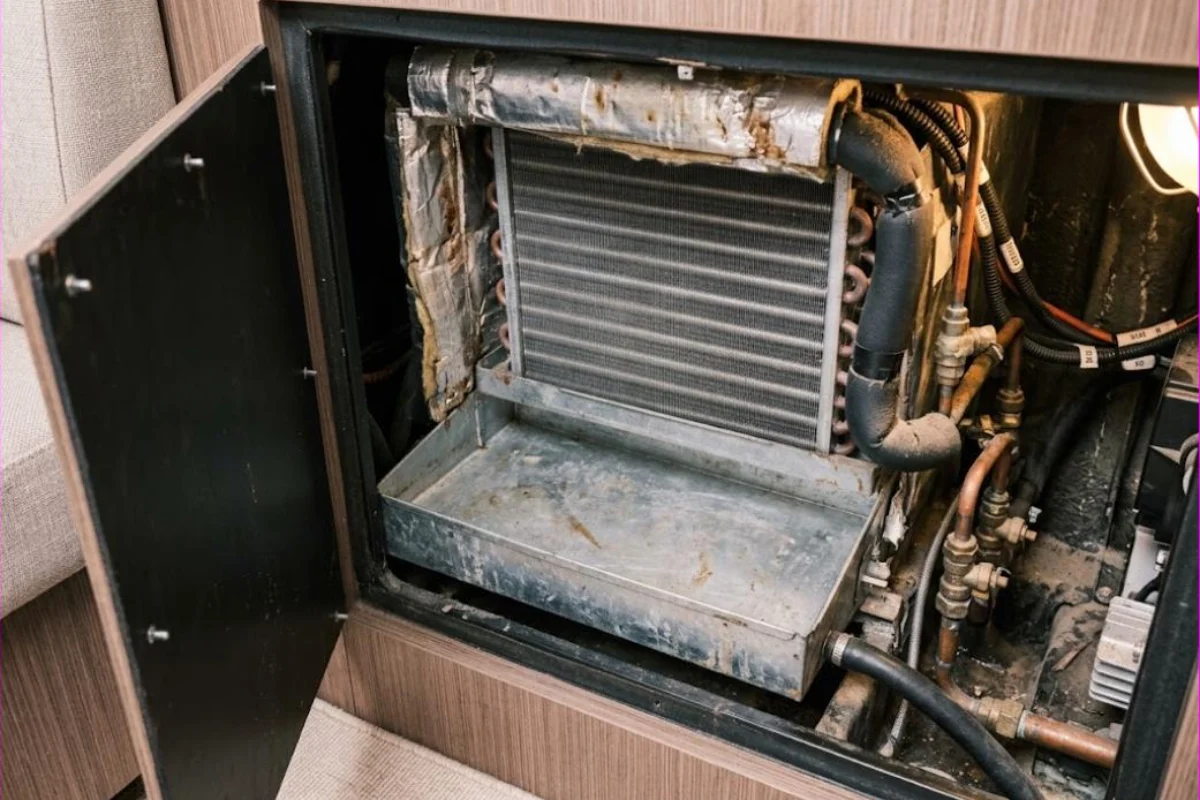
Yacht Odour Removal & Source Investigation
Bad Smells on a Yacht? Find the Source, Not a Cover-Up.
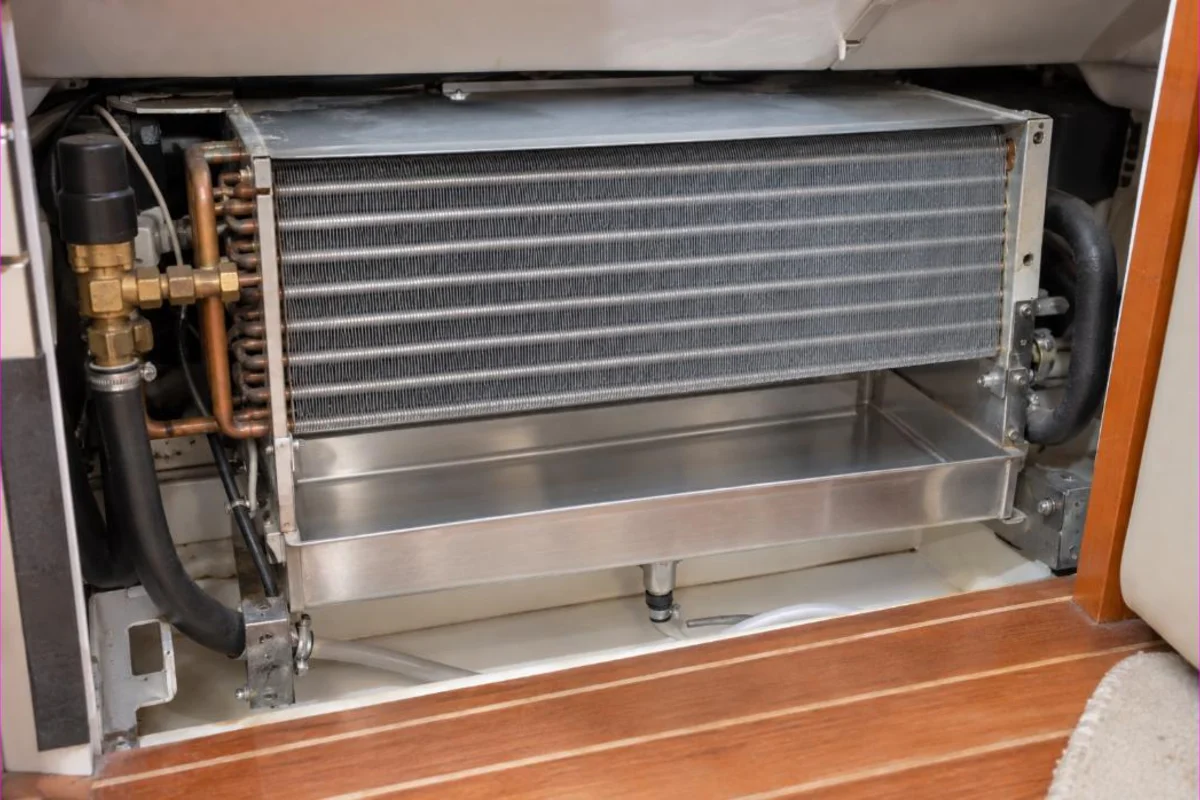
Yacht Fan Coil Deep Cleaning
A new filter does not clean the coil, tray and drain behind it.
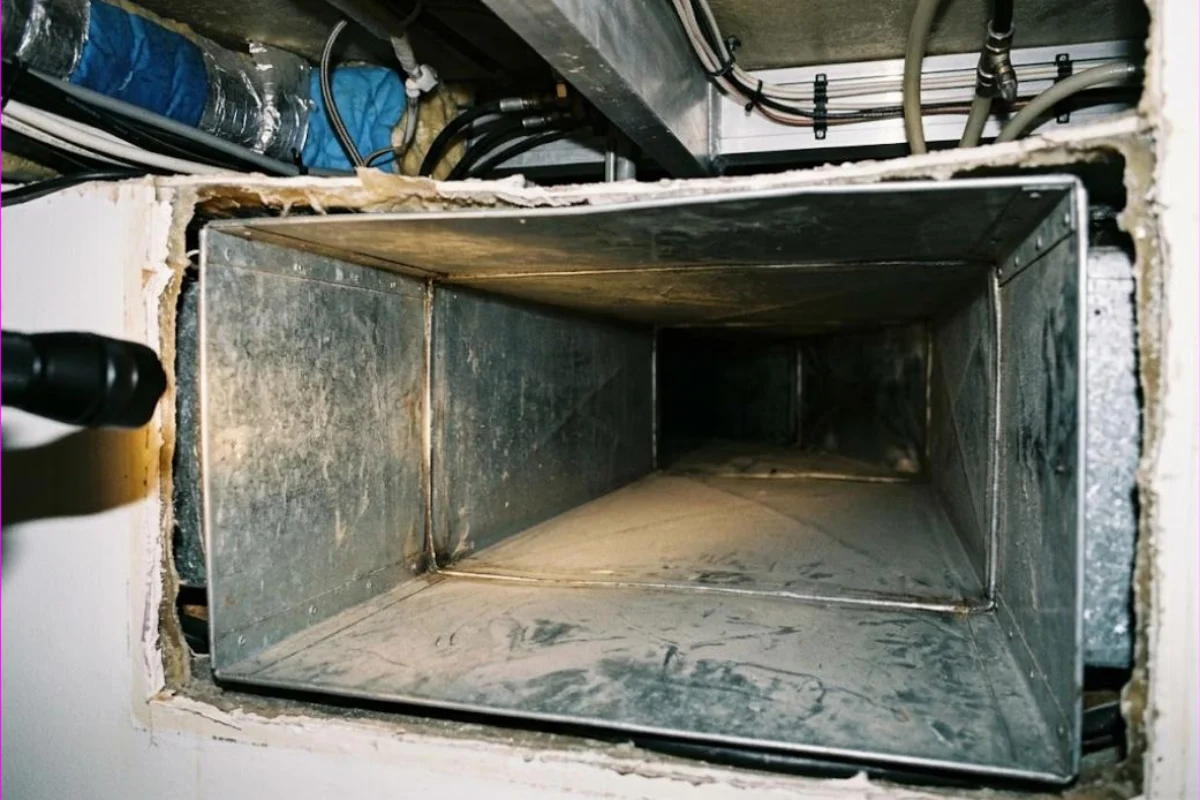
Yacht HVAC & Air Duct Cleaning
Cleaner airflow starts inside the system, not at the vent.

Yacht Fresh-Water System Sanitization
From tank to shower head: the whole fresh-water network, treated as one system.
Book the survey before your next movement
We work in the main Mediterranean marinas and refit yards, with documented results and lab analysis where required.
Tell us about the yacht
Yacht length, marina, systems and what you have noticed on board. A technician reads the message and calls you back to plan the survey.
"*" indicates required fields
Where we work
Italian Riviera and Tuscany marinas and yards — Viareggio, La Spezia, Portofino, Genoa, Sanremo, Livorno, Argentario — and other Mediterranean ports on request.
Documented work
Every job ends with a technical report and photos for the yacht's records.

Not sure where the problem starts?
Let the technical team assess it onboard.
In marina, at the yard or during lay-up. We tell you what needs treating — and what doesn’t.
+39 0584 433 198Expertise.
Peace of mind.