
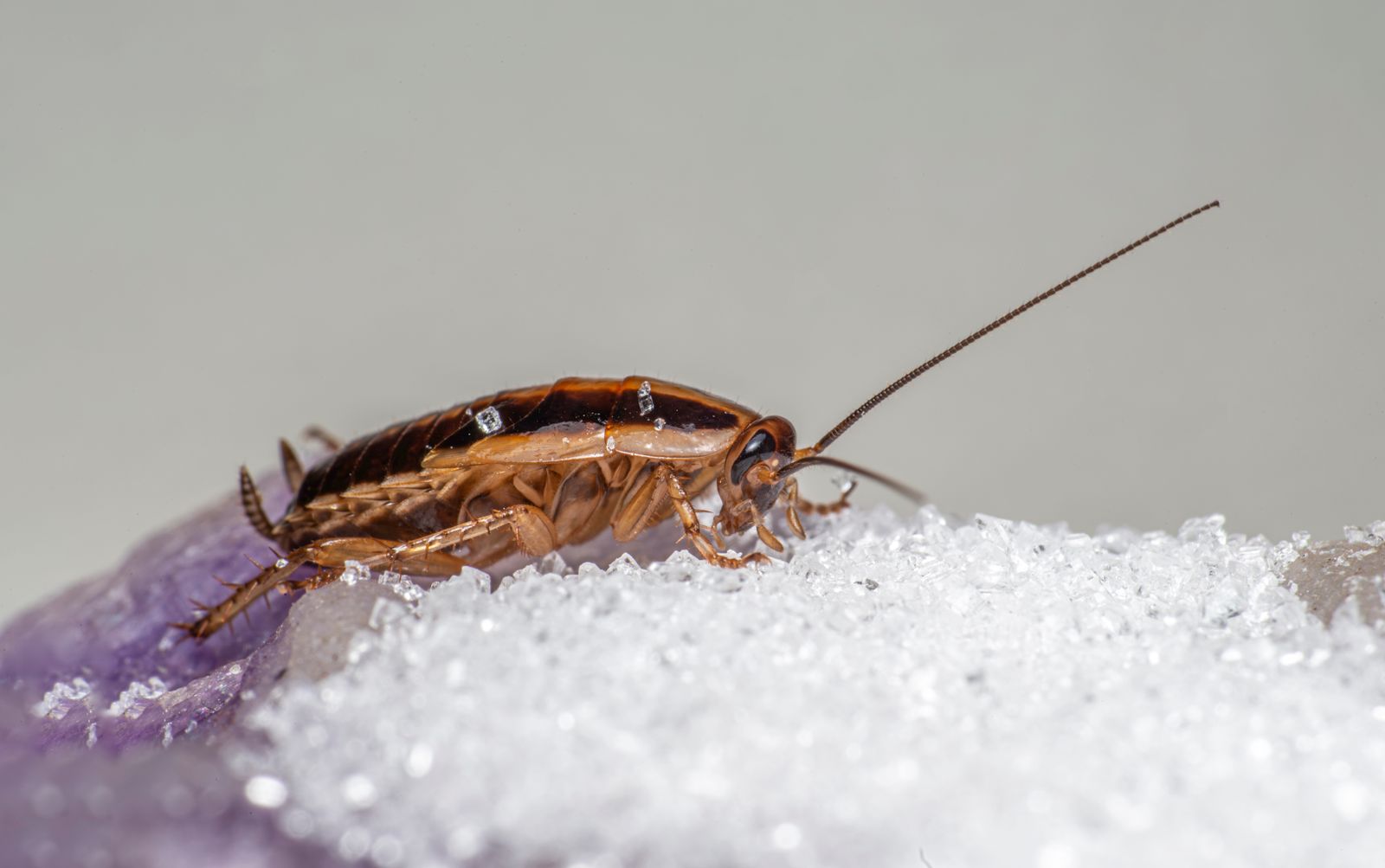
Pests on Yachts: Rodents, Cockroaches and Stored Food
Pests get on board through ropes, stores and gaps, and stay where there is food, waste and a place to hide. Here is what the WHO guide for ships asks you to do.
The WHO Guide to Ship Sanitation says rats can reach a ship by hawsers and gangways, and asks for rat-proofing collars on hawsers, obstructing openings larger than 1.25 cm that lead to voids, sealing gaps around pipes and ducts, and regular inspection. It links rodents to plague, murine typhus, salmonellosis, leptospirosis and other diseases.
Why pests matter
Rats, mice and cockroaches want three things: food, shelter and water. A yacht has all three in small, closed spaces: galley, stores, lockers, engine room and bilge.
They also come aboard with the shopping. Cardboard, sacks and crates from the quay can carry insects, and ropes give rodents a bridge. See our galley guides on hood and filter cleaning and extraction ducts.
What the WHO guide says
The WHO Guide to Ship Sanitation (2011) is written for ships. These points come from its chapters on vector control, food and waste.
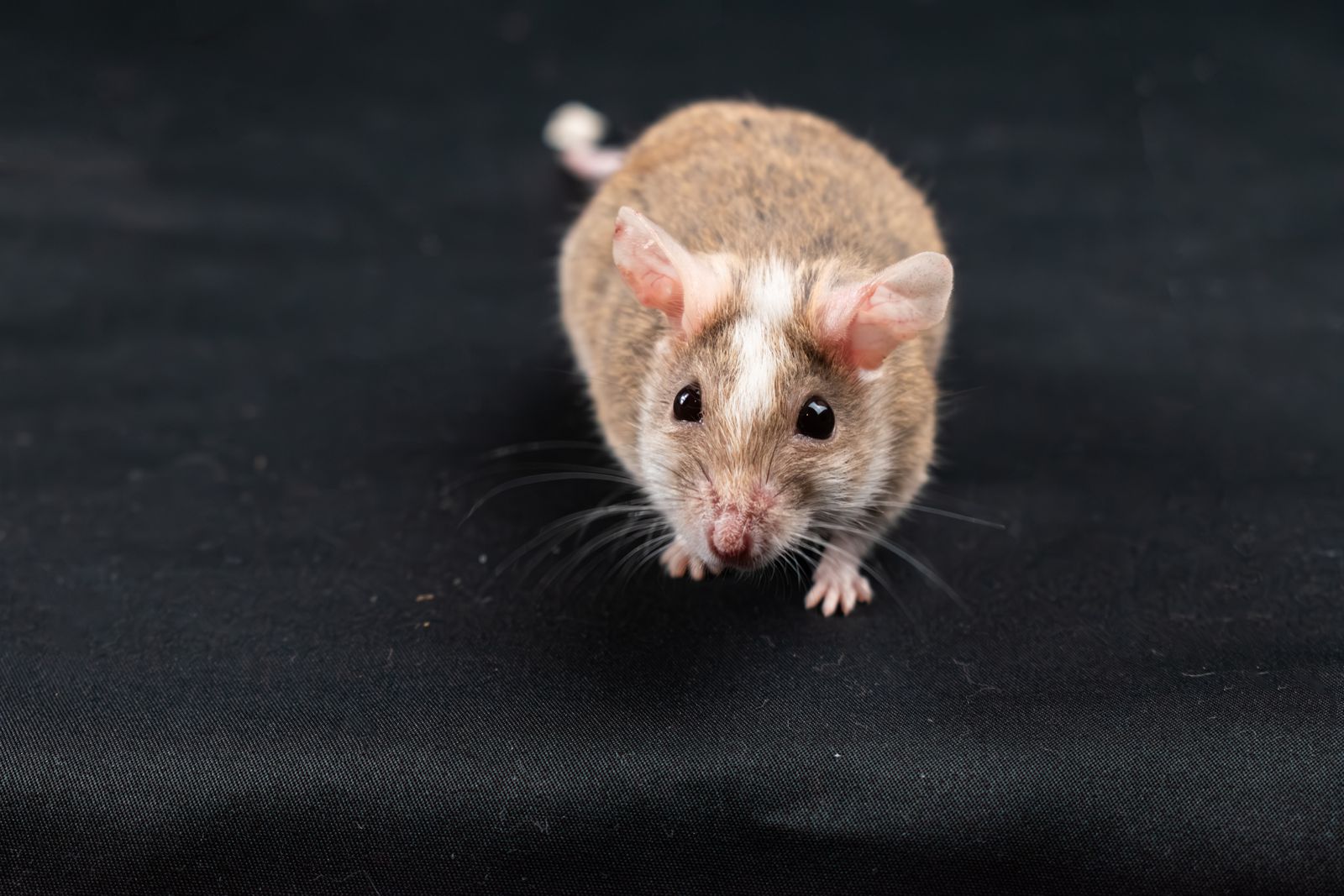
- Diseases: plague, murine typhus, salmonellosis, trichinosis, leptospirosis and rat bite fever are known to be spread by rodents. Mosquitoes, rats, mice, cockroaches, flies, lice and rat fleas can all transmit disease.
- How rats get on board: by various means, including hawsers and gangways. Rat-proofing collars should be fitted to hawsers.
- Design and sealing: obstruct openings larger than 1.25 cm that lead to voids, and seal gaps around pipes or ducts that pass through bulkheads or decks.
- Signs: rats leave droppings, gnawing damage and grease marks. Regular inspection will show whether they have got in.
- Housekeeping: proper storage and disposal of food refuse, and frequent cleaning of living quarters and places where food is stored, prepared or served. Remove hiding places and places where food, trash or dirt can build up.
- Food waste: it readily attracts rodents, flies and cockroaches, so keep it in covered, watertight, easily cleaned containers.
- Pesticides: insecticides and rodenticides must not be stored in or next to food spaces.
The key points from the WHO guide
From chapters 3, 6 and 7 of the Guide to Ship Sanitation.
Want the galley and stores checked?
Tell us how the yacht is used. We will suggest a routine.
The key points
The guide puts prevention first. Keep pests out, give them nothing to eat, and give them nowhere to hide. Treatment is the last step, not the first.
The WHO guide does not give a fixed inspection interval. It says inspections should be regular and frequent.
Where to look on a yacht
Stores. Is food kept raised off the floor, covered and separate from raw items? Check boxes and sacks when they come aboard.
Galley. Are there crumbs, grease or spills in corners and under equipment? See galley hood cleaning.
Waste. Are bins covered and emptied often?
Gaps and voids. Look around pipe and duct penetrations and behind panels.
Signs. Droppings, gnawing, grease marks, live or dead insects in hatches and lockers.
Ropes and gangway. Are collars fitted where the yacht is alongside?


Pests follow food and mess. Clean galleys and covered waste solve more problems than any spray.
Francesco Colombo
CEO · AirBio Marine, a division of AirBio (Ekonore S.r.l.)
Book a galley and stores cleanVerified reviews on Trustpilot
Reviews of La BioDisinfestazione | Ekonore Italia, the group AirBio Marine belongs to.
What we do
We clean and sanitize galley, store and waste areas, look at the places where food and dirt build up, and report what we see. If we find signs of pests, we tell the captain so they can be dealt with.
See our interior sanitization and galley grease odours pages.
How we check and clean food and waste areas, step by step
Five steps, planned with the chef and the captain.
Walk through
We look at stores, galley, waste areas and hidden corners.
Note
We photograph signs of pests and build-up.
Clean
Food and waste areas are cleaned to remove residue.
Sanitize
Surfaces are sanitized where the situation calls for it.
Report
You receive photos and a written summary.
We photograph what we find and tell the captain plainly. It is better to know early.
Francesco Colombo
CEO · AirBio Marine, a division of AirBio (Ekonore S.r.l.)
Speak to our teamA sample routine
A starting point built on the WHO ship guide. Adjust it to the vessel and check with a pest-control professional if you see signs.
- Every delivery: unpack cardboard and sacks on the quay or on deck, and check for insects.
- Daily: keep food covered, wipe spills, and empty and cover waste bins.
- Regularly: inspect stores, galley corners, lockers and hatches for droppings, gnawing and grease marks.
- Alongside: fit rat-proofing collars on hawsers where appropriate.
- At planned intervals: check gaps around pipes and ducts and seal them.
- Always: keep pesticides away from food areas, and keep a written record of inspections.
Warning signs
- Droppings, gnawing or grease marks.
- Live or dead cockroaches in cupboards and hatches.
- Gnawed packaging in the stores.
- A stale, musty smell in a store or locker.
See also hygiene rules on yachts and Ship Sanitation Certificates.
FAQ
How do rats get onto a yacht?
The WHO ship guide says they gain access by various means, including hawsers and gangways, and asks for rat-proofing collars on hawsers.
What are the signs of rats?
Droppings, gnawing damage and grease marks, according to the WHO guide. Regular inspection will show whether they have got in.
How should food waste be kept?
In watertight, easily cleaned containers with tight covers, because food waste readily attracts rodents, flies and cockroaches, per the WHO guide.
Where should pesticides be stored?
Not in or next to spaces used for storing, handling, preparing or serving food, according to the WHO ship guide.
How often should a yacht be inspected for pests?
The WHO ship guide says regularly and frequently but gives no fixed interval. Set one that fits the yacht and record the checks.
Do these rules apply to yachts?
The guide is written for ships. Use it as a model and check what your flag and charter terms require.
Sources
- World Health Organization — Guide to Ship Sanitation, 3rd edition (2011), chapter 7: Vector and reservoir control.
- World Health Organization — Guide to Ship Sanitation (2011), chapter 3: Food.
- World Health Organization — Guide to Ship Sanitation (2011), chapter 6: Waste.
Seen signs of pests on board?
We clean and sanitize food and waste areas, and show you the photos.
Speak to a marine technicianRelated on AirBio Marine
Ready to clean the galley and stores?
Inspection, cleaning and a photo report, at the berth.
Verified reviews on Trustpilot
Reviews of La BioDisinfestazione | Ekonore Italia, the group AirBio Marine belongs to.
Tell us about the yacht
Yacht length, marina, systems and what you have noticed on board. A technician reads the message and calls you back to plan the survey.
"*" indicates required fields
Where we work
Italian Riviera and Tuscany marinas and yards — Viareggio, La Spezia, Portofino, Genoa, Sanremo, Livorno, Argentario — and other Mediterranean ports on request.
Documented work
Every job ends with a technical report and photos for the yacht's records.