

Yacht Galley Hood and Filter Cleaning: How Often Is Often Enough?
No ship rule we found gives a cleaning interval for galley hoods. Here is what the rules do say, the timetable fire authorities use on land, and how to set one for a yacht.
SOLAS asks for a removable grease trap and cleaning hatches in galley exhaust ducts, but it does not say how often to clean. The only published intervals we found come from the NFPA 96 standard for commercial kitchens on land, which fire authorities summarise as monthly, quarterly, six-monthly or yearly depending on how much cooking is done.
Why grease matters
Cooking sends grease-laden vapour up through the hood and filters and into the duct. Some of it settles on the metal. Over time that layer gets thicker, and it is fuel if a fire starts in the galley.
That is why filters are made to come out and be washed, and why ducts have hatches. The question every chef and engineer asks is how often. Our guide to galley extraction duct requirements covers the design rules. This one covers cleaning.
What the rules say
SOLAS Chapter II-2, Regulation 9, is written for ships. The IMO text that amended it lists what a galley exhaust duct needs. It is a design rule, not a maintenance timetable.
- Grease trap: a trap that can be removed for cleaning.
- Fire dampers: automatic dampers, worked from a remote position, at the lower and upper ends of the duct.
- Hatches: inspection and cleaning hatches, one near the fan and one at the lower end where grease collects.
- Extinguishing: a fixed way of putting out a fire inside the duct.
- Frequency: none stated. The US Coast Guard plan-review guideline and the UK MCA ship construction notes list the same parts and also give no interval.
The details change with ship type and passenger numbers. Check what applies to your vessel with your flag or class.
The land timetable, as fire authorities summarise it
Based on the NFPA 96 standard for commercial kitchens on land, not ships.
Not sure when your galley hood was last cleaned?
Tell us how the galley is used and we will suggest a routine.
The land timetable
The four steps above appear in fire-safety bulletins from US fire authorities that cite NFPA 96. They are written for restaurants and other commercial kitchens in buildings. We did not find them applied to ships in any source we read, and they may differ between editions of the standard, so treat them as a model and not as a rule for your yacht.
The same bulletins describe the purpose of the system as removing grease-laden vapour, steam and heated air, and say that a neglected system can cause a fire.
What to check on a yacht
Filters. Are the baffle filters greasy or dripping? Do they come out easily for washing?
Hood and canopy. Is there a film of grease on the inside surfaces?
Hatches. Can you reach the inspection hatches near the fan and at the lower end of the duct? See our extraction duct cleaning service.
Use. How many hours a day does the galley run, and does the chef fry or grill? A charter yacht in season is not the same as a private yacht used for a few weeks.
Odour. Old grease smells. See galley grease odours.


A chef knows when a hood needs cleaning before anyone else does. We just make sure it is done properly and written down.
Francesco Colombo
CEO · AirBio Marine, a division of AirBio (Ekonore S.r.l.)
Book a galley hood cleanVerified reviews on Trustpilot
Reviews of La BioDisinfestazione | Ekonore Italia, the group AirBio Marine belongs to.
What we do
We look at the hood, filters and duct through the hatches, photograph what we find, and clean the hood, filters and accessible duct sections to remove the grease. We report what we could and could not reach.
See our galley hood cleaning and extraction duct cleaning services.
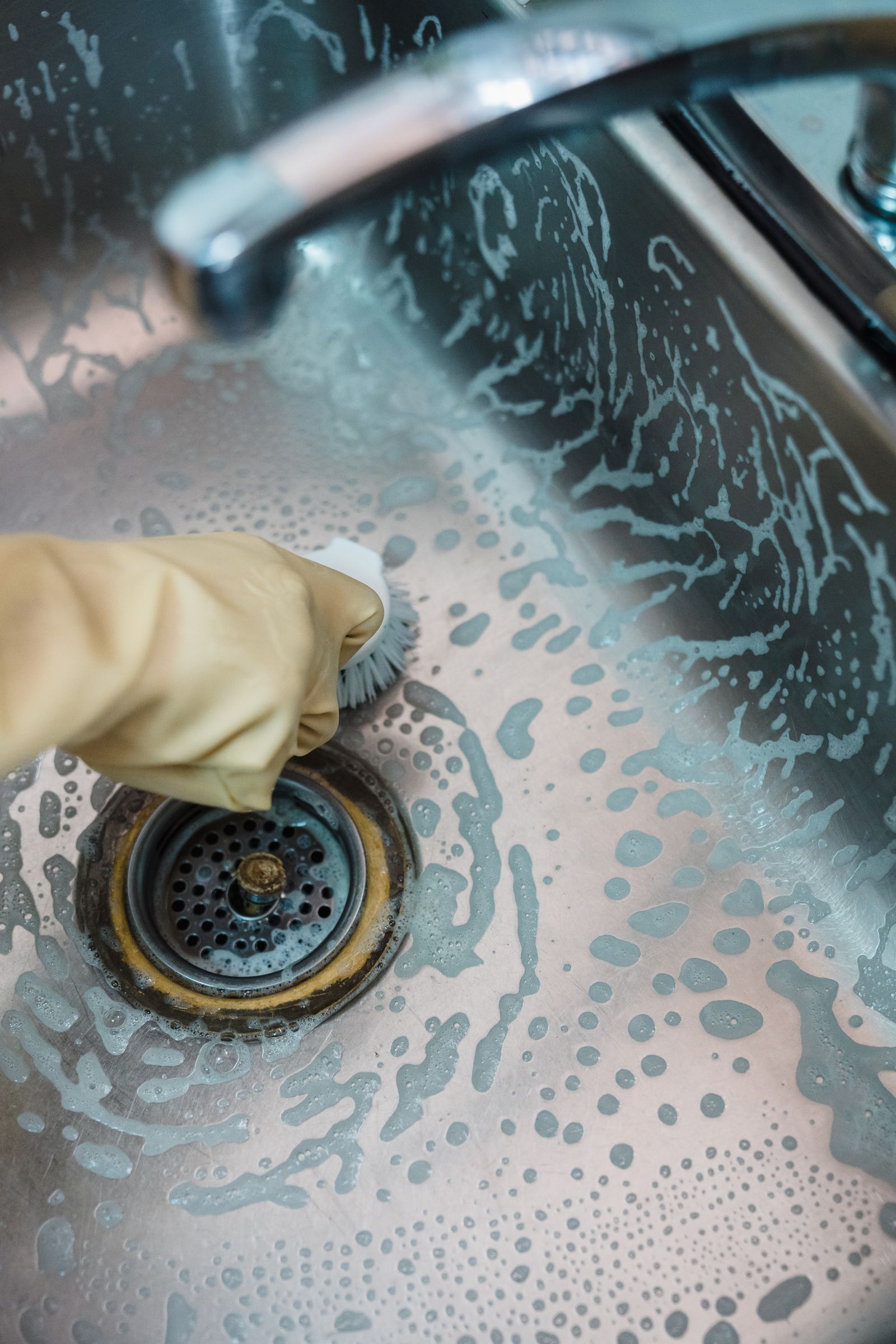
How we clean a yacht galley hood, step by step
Five steps, planned with the chef.
Inspect
We look at the hood, filters and hatches and photograph them.
Protect
Worktops, appliances and floors are covered.
Clean
Filters, hood and duct sections are cleaned to remove grease.
Check
We check the removable filters and hatches are back in place.
Report
You receive photos before and after and a written summary.
A clean hood is a small job that avoids a big one. We photograph every step so the crew can see the result.
Francesco Colombo
CEO · AirBio Marine, a division of AirBio (Ekonore S.r.l.)
Speak to our teamA sample routine
A starting point, not a rule. Set the interval with the chef and the captain, based on how the galley is used.
- Every service: wash removable filters as the chef’s routine requires.
- At planned intervals: inspect the hood and duct through the hatches. Choose an interval by how much cooking is done, using the land timetable as a guide.
- Before a busy season: book a full hood and duct clean.
- After heavy use or if you see build-up: clean sooner.
- Always: keep photos and dates on file.
Warning signs
- Grease dripping from filters or the hood edge.
- A stale, fatty smell that stays after cooking.
- A hatch that has never been opened.
- Filters that are missing or do not fit.
See also our guide to hygiene rules on yachts.
FAQ
How often should a yacht galley hood be cleaned?
SOLAS does not give an interval. The only published timetable we found is the NFPA 96 one for land kitchens: monthly, quarterly, six-monthly or yearly by cooking type. Set an interval for your yacht with the chef and captain.
Does SOLAS say how often to clean galley ducts?
No. It asks for a removable grease trap, fire dampers, cleaning hatches and a fixed extinguishing means. It does not give a cleaning frequency.
Does NFPA 96 apply to yachts?
It is written for commercial kitchens in buildings. We found no source that applies it to ships, so use it as a model only.
Who cleans the filters and who cleans the duct?
Filters are usually removed and washed by the galley crew. The hood and duct sections need access and equipment, which a specialist can provide.
Why does grease matter?
Fire authorities say a neglected exhaust system can cause a fire, because grease builds up on the surfaces.
Can I clean the duct myself?
You can clean what you can reach. The upper duct sections and the fan area often need a specialist with the right equipment.
Sources
- International Maritime Organization — Resolution MSC.365(93) (2014): SOLAS II-2 Regulation 9, galley exhaust ducts.
- US Coast Guard Marine Safety Center — PRG.SOLAS-07, Guidelines for Review of Galley Range and Grease Duct Structure (2016).
- UK Maritime and Coastguard Agency — MSIS 12, Chapter 7 (2012).
- Tacoma Fire Department — Commercial Kitchen Exhaust Cleaning bulletin: cleaning frequencies (land kitchens).
- Flower Mound Fire Marshal’s Office — Commercial Kitchen Hood Cleaning: cleaning frequencies citing NFPA 96 (land kitchens).
Not sure how often your galley hood needs cleaning?
We inspect first, show you the photos and suggest an interval that fits how the galley is used.
Speak to a marine technicianRelated on AirBio Marine
Ready to clean your galley hood?
Inspection, cleaning and a photo report, at the berth.
Verified reviews on Trustpilot
Reviews of La BioDisinfestazione | Ekonore Italia, the group AirBio Marine belongs to.
Tell us about the yacht
Yacht length, marina, systems and what you have noticed on board. A technician reads the message and calls you back to plan the survey.
"*" indicates required fields
Where we work
Italian Riviera and Tuscany marinas and yards — Viareggio, La Spezia, Portofino, Genoa, Sanremo, Livorno, Argentario — and other Mediterranean ports on request.
Documented work
Every job ends with a technical report and photos for the yacht's records.