
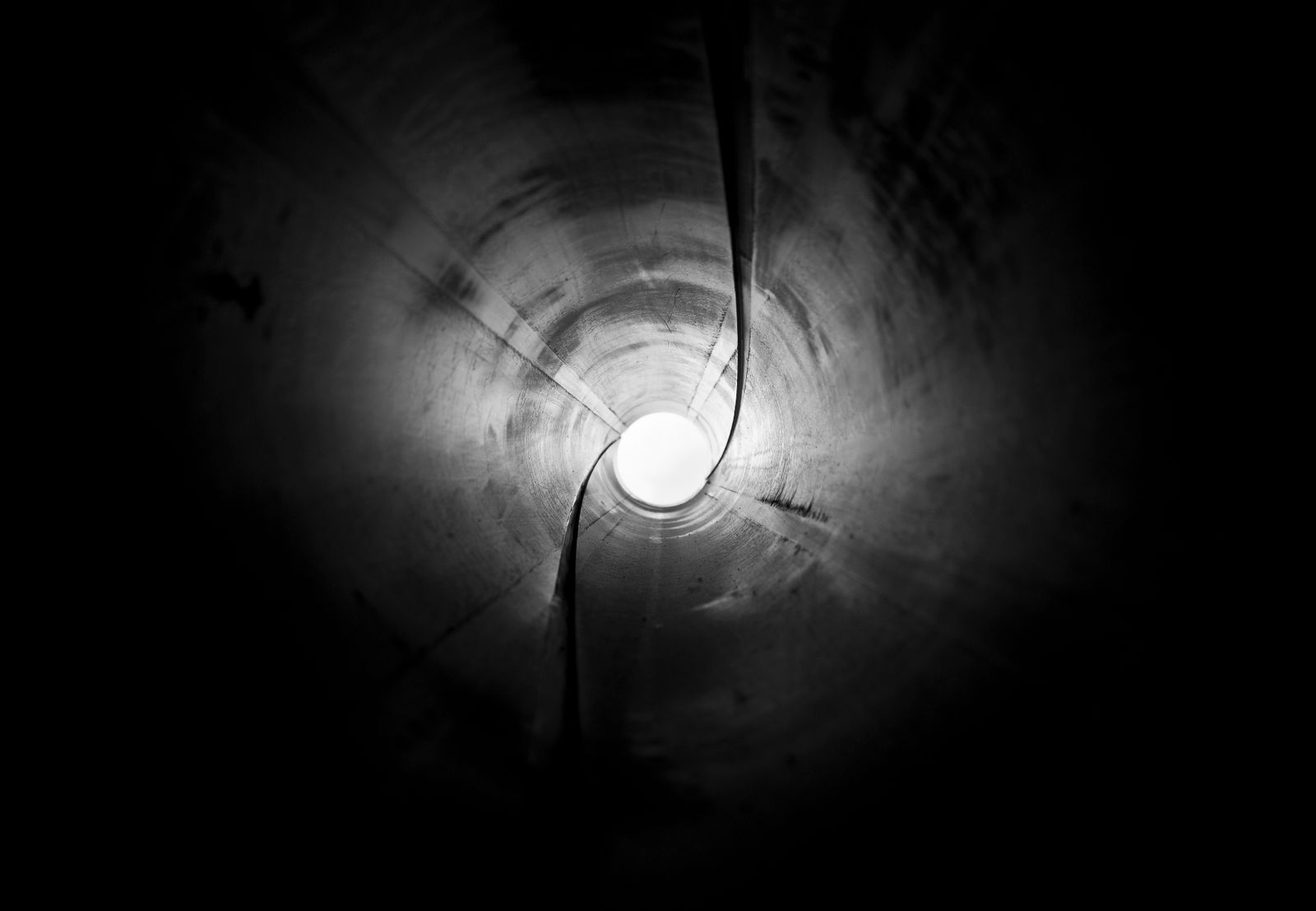
Biofilm in Yacht Pipes: What It Is and Why It Comes Back
Biofilm is a slimy layer on the inside of pipes and tanks. It protects bacteria from disinfectant, which is why a one-off clean often does not last. Here is what CDC, WHO and a National Academies report say.
Scientific review by Linda Abenaim, Biologist ·
The CDC says biofilm can give pathogens a safe harbor from disinfectants. A 2019 National Academies report adds that it creates a disinfectant demand that protects the microbes attached to it. The WHO ship guide asks for a disinfectant residual, regular flushing of seldom-used fittings, and hoses that do not support biofilm growth.
What biofilm is
Biofilm is a thin, slimy layer of microbes that sticks to the inside of pipes, tanks and fittings. You cannot see it through a tap. It builds up slowly where water is still, warm or rarely moved.
It matters because the microbes inside it are harder to reach. That is why water can test clean after a treatment and then test badly again a few weeks later. Our guide to what a positive Legionella result means explains what to do when that happens.
What the sources say
The CDC page and the National Academies report are written for buildings. The WHO Guide to Ship Sanitation is written for ships.
- CDC (buildings): biofilm can give pathogens a safe harbor from disinfectants, and water stagnation is one of the factors that helps growth.
- National Academies, 2019 (buildings): biofilm can create a disinfectant demand that protects the attached microbes. Legionella inside protozoa cysts, cited from research, survived 25 times more chlorine than free-floating cells. Legionella numbers were also reported to rise again after a heat shock, and stagnation promoted bacterial build-up.
- WHO ship guide (ships): a residual disinfectant should be maintained to limit growth, seldom-used fixtures should be flushed regularly for a few minutes, and potable water hoses should not support the growth of biofilm.
- CDC, other devices (buildings): avoid stagnation by flushing low-flow piping runs and dead legs.
What the sources point to
CDC, National Academies (2019) and the WHO Guide to Ship Sanitation.
Does your water keep coming back positive?
Tell us what you have found. We will suggest where to look.
The key points
Put together, the sources describe a loop. Water sits still, a film forms, the film shelters bacteria, and a disinfectant that is not kept up lets them come back.
One clean is not the end of it. Flushing, temperature control and a residual are what keep the film from coming back, and testing shows whether they are working.
 Biologist
Linda Abenaim, Biologist at Ekonore / AirBio
Biofilm is a community of microbes glued together in a slimy layer they produce themselves. That layer shields them from disinfectant, which is why a quick chlorine dose often lowers the counts for a while before they climb back.
Linda Abenaim · Biologist, Ekonore / AirBio
If test results improve after disinfection and get worse again within weeks, assume biofilm and plan a deeper treatment.
- Slime layerprotects the microbes
- Disinfectantstruggles to get in
- Regrowthcounts climb back
Where it hides on a yacht
Dead legs. Pipe runs that lead nowhere and carry no flow.
Rarely used fittings. Guest cabins, crew heads and outside showers that sit between trips.
Hoses. Potable water hoses that are left uncapped or wet. See filling water in a foreign port.
Tanks. Sediment and slime on walls and baffles. See our tank guide.
Hot water. Calorifiers and lines that run too cool. See hot water and Legionella.
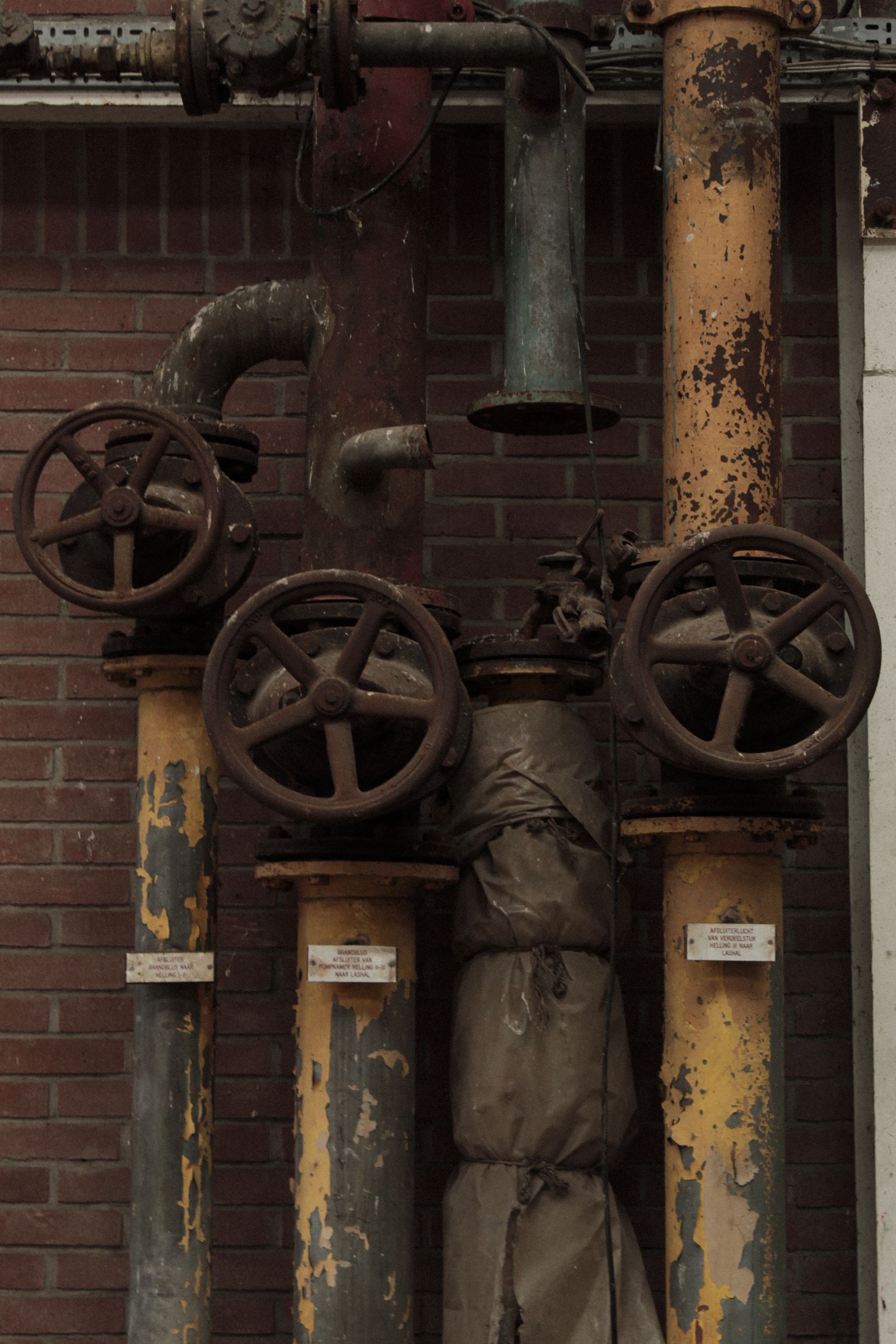

A clean tank does not stay clean by itself. Water that never moves is where the trouble starts, so that is where we look.
Francesco Colombo
CEO · AirBio Marine, a division of AirBio (Ekonore S.r.l.)
Book a water system checkVerified reviews on Trustpilot
Reviews of La BioDisinfestazione | Ekonore Italia, the group AirBio Marine belongs to.
What we do
We look for the places where water sits, clean and disinfect the tank and lines, and test again to see whether the treatment worked. We can also help you set up a flushing routine for the low-use fittings.
See our water system sanitization and tank sanitization services.
How we deal with biofilm risk, step by step
Five steps, planned with the crew.
Survey
We look at tanks, lines, dead legs and low-use fittings.
Sample
Water samples go to a laboratory.
Clean
The tank and lines are cleaned and disinfected.
Re-test
We test again to see whether the result holds.
Report
You receive photos, lab results and a written summary.
We test again after the work. If the numbers do not hold, we say so.
Francesco Colombo
CEO · AirBio Marine, a division of AirBio (Ekonore S.r.l.)
Speak to our teamA sample routine
A starting point built on the WHO ship guide and the CDC. Adjust it to the vessel.
- Regularly: flush seldom-used fittings for a few minutes.
- Regularly: keep a disinfectant residual in the system, and measure it at the taps.
- Each fill: flush hoses, then drain, dry and cap them after use.
- At planned intervals: inspect tanks and look for slime and sediment.
- After a lay-up or repair: clean and disinfect before use.
- Always: keep readings and lab reports on file.
Warning signs
- Slime on a tap aerator or shower head.
- Water that tests clean and then fails again.
- A cabin fitting that nobody has used for weeks.
- Sediment or a film when a tank is opened.
See also tank contamination and water testing.
FAQ
What is biofilm?
A thin layer of microbes that sticks to the inside of pipes and tanks. The CDC says it can give pathogens a safe harbor from disinfectants.
Why does yacht water test clean and then fail again?
Biofilm can shelter bacteria from disinfectant, so they can come back after a treatment that does not keep up a residual or remove the film.
How do I stop biofilm coming back?
The WHO ship guide asks for a disinfectant residual, regular flushing of seldom-used fittings and hoses that do not support biofilm growth. Testing shows whether it works.
Can I see biofilm?
Not through a tap. You may see slime or sediment when a tank or fitting is opened.
Does heat kill it?
Not on its own. A National Academies report notes that Legionella numbers rose again after a heat shock in the studies it reviewed.
Do these sources apply to yachts?
The WHO guide is for ships. The CDC and National Academies texts are for buildings, so use them as a model.
Sources
- US Centers for Disease Control and Prevention — About Water Management Programs: biofilm and stagnation (buildings).
- National Academies of Sciences, Engineering, and Medicine — Management of Legionella in Water Systems (2019): biofilm and disinfectant demand (buildings).
- World Health Organization — Guide to Ship Sanitation, 3rd edition (2011), water chapter: residual, flushing, hoses.
- US CDC — Controlling Legionella in Other Devices (2025): flushing low-flow piping and dead legs (buildings).
Water that keeps failing its tests?
We look for where it sits, clean the system and test again.
Speak to a marine technicianRelated on AirBio Marine
Ready to deal with biofilm?
Survey, cleaning, re-test and a written report, at the berth.
Verified reviews on Trustpilot
Reviews of La BioDisinfestazione | Ekonore Italia, the group AirBio Marine belongs to.
Tell us about the yacht
Yacht length, marina, systems and what you have noticed on board. A technician reads the message and calls you back to plan the survey.
"*" indicates required fields
Where we work
Italian Riviera and Tuscany marinas and yards — Viareggio, La Spezia, Portofino, Genoa, Sanremo, Livorno, Argentario — and other Mediterranean ports on request.
Documented work
Every job ends with a technical report and photos for the yacht's records.