
A Grease-Blocked Kitchen Extraction System Brought Back to Work
The extraction fan kept switching itself off after a few minutes. After the clean, it ran normally again.
Delivery Valley, a rotisserie kitchen in Turin, Italy, had two professional hoods on one extraction system. The hoods had not been deep-cleaned for a long time, and grease had built up from the filters all the way to the fan. AirBio stripped, degreased and reopened the whole line.
The job in four lines
Site
Delivery Valley Srl, a rotisserie kitchen in Turin, Italy.
System
Two professional hoods on one extraction line, ducts about 45 to 50 cm in diameter, one central fan.
Problem
Grease from filters to fan; the motor switched off after a few minutes.
Result
Extraction restored and the fan running normally again.
Grease everywhere the air had to pass
Airflow had dropped to the point where the system was close to blocking.
This project was carried out ashore by AirBio, the company AirBio Marine belongs to. The same technicians, equipment, degreasing method and end-of-job report are used in yacht galleys.
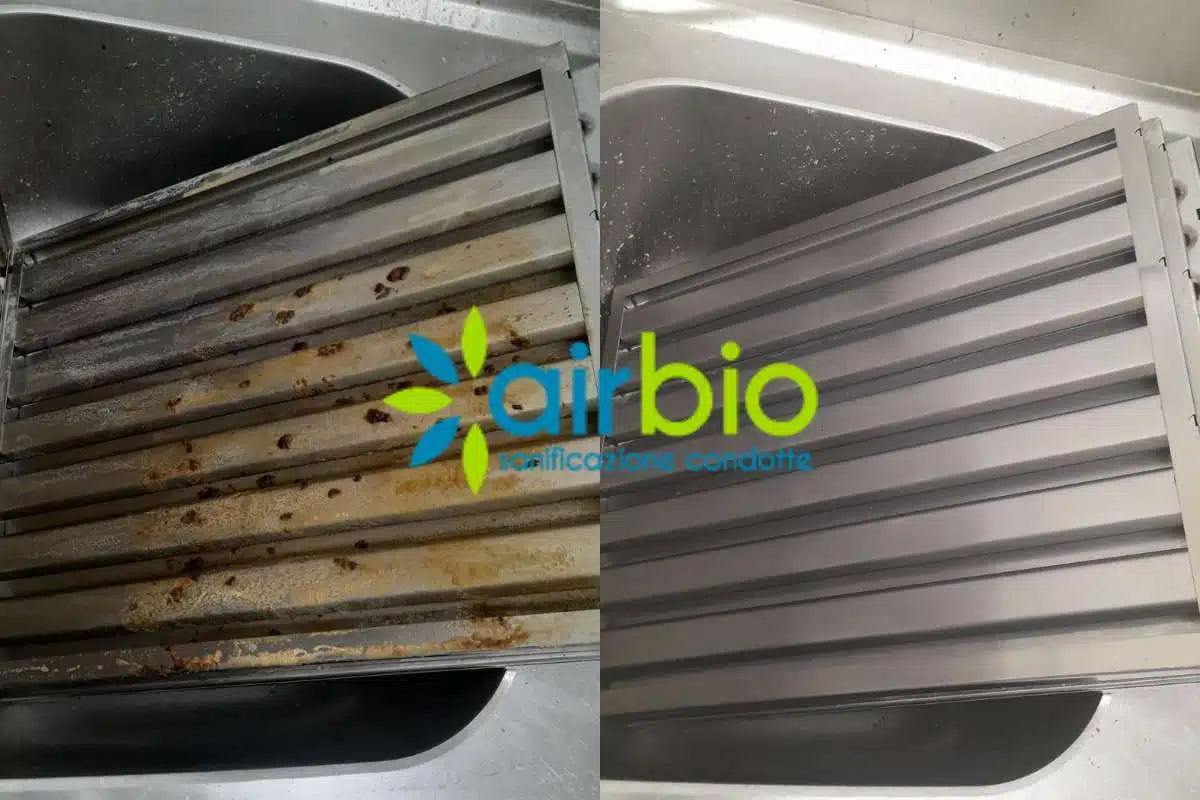
- Filters saturated with grease.
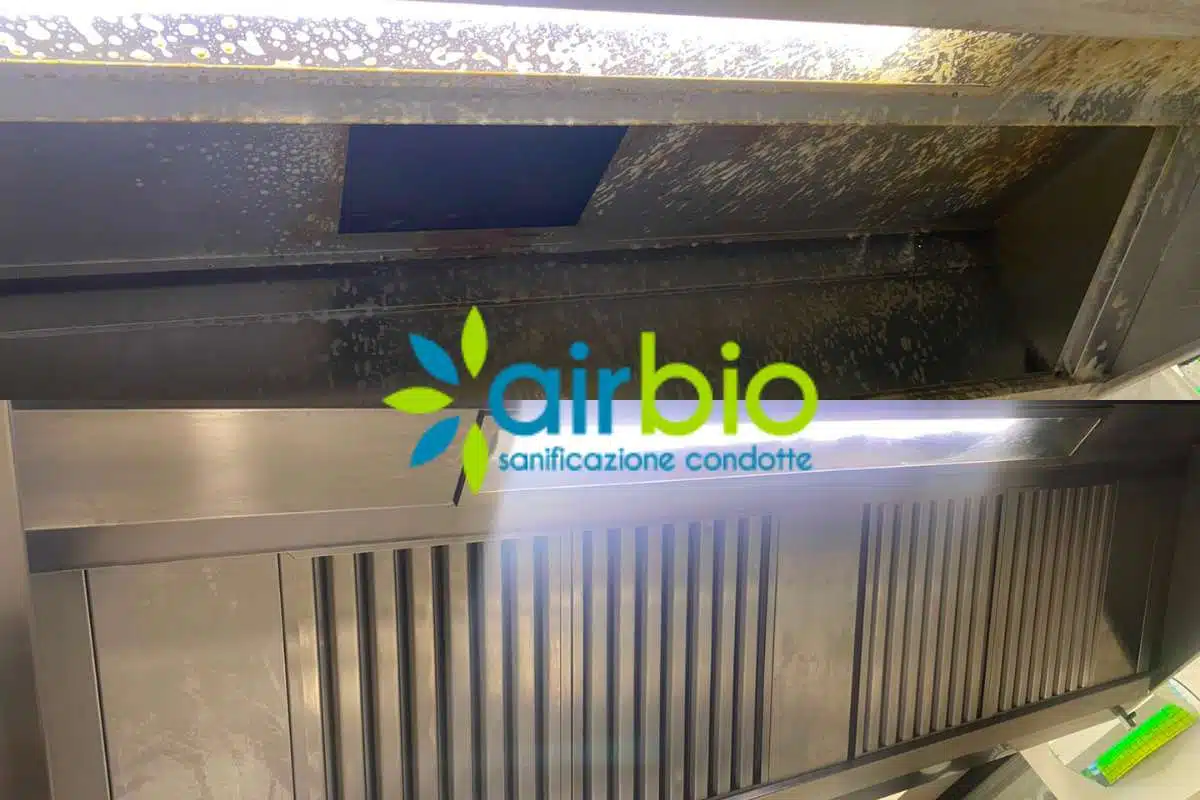
- Oily residue on the inside of both hoods.
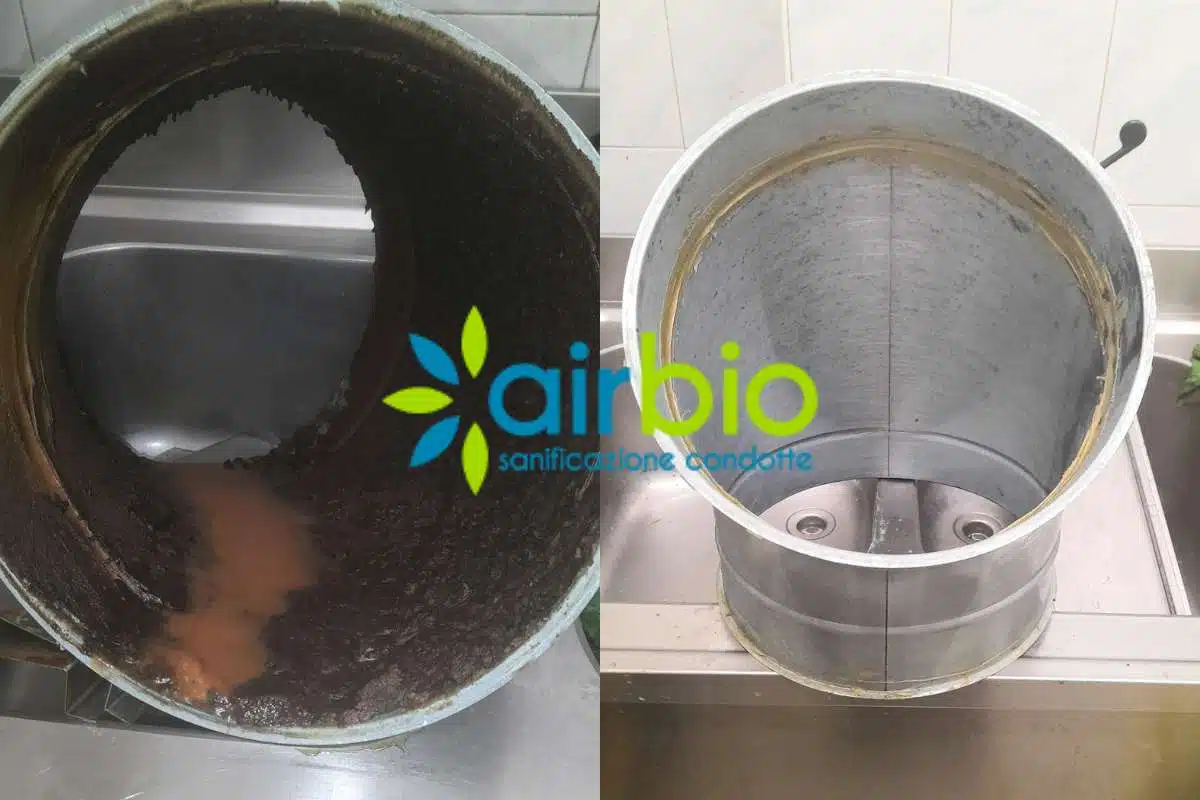
- Solidified grease inside the ducts, about 45 to 50 cm in diameter.
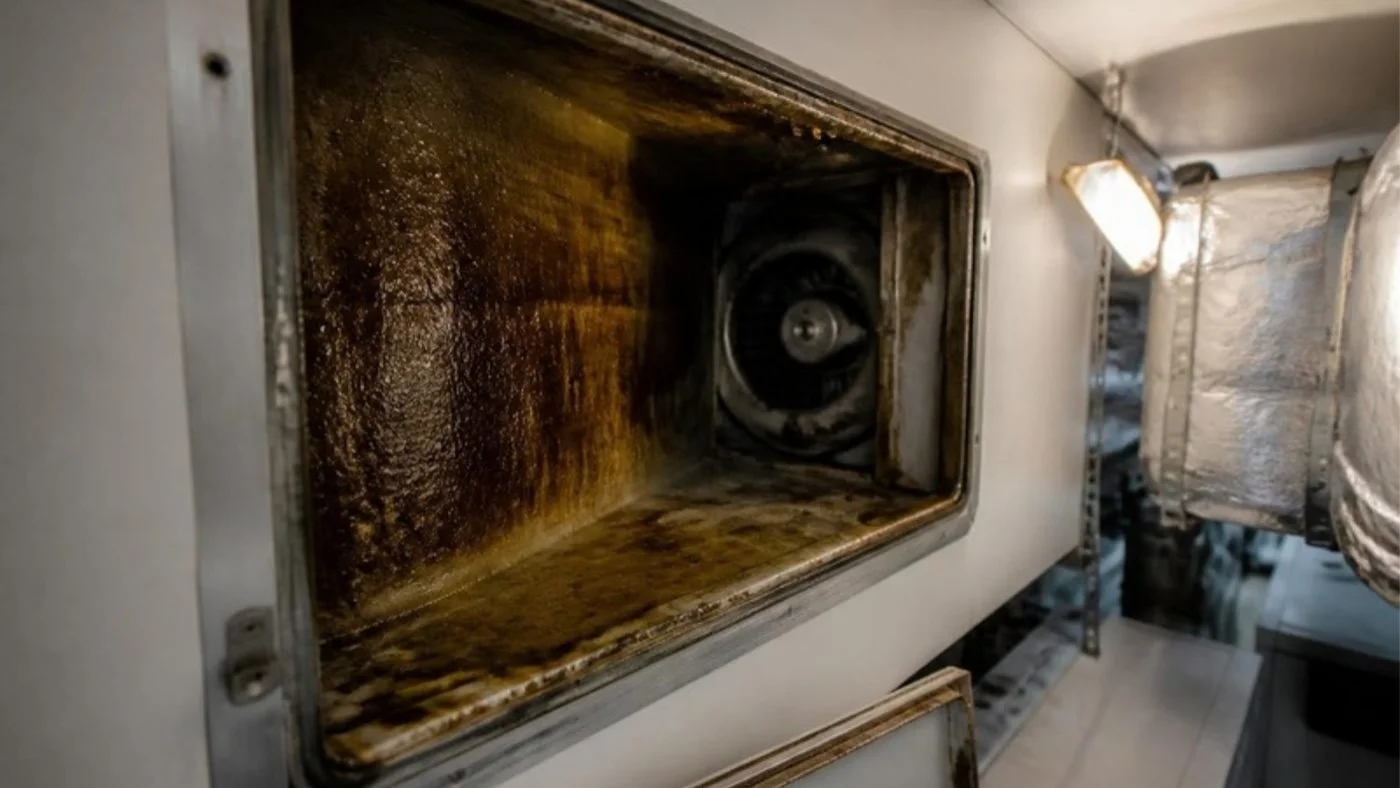
- A heavily contaminated motor that kept switching itself off after a few minutes.
Filters, hoods, ducts and fan, in that order
Filters. Removed and degreased with professional products and high-temperature steam, which cuts down on abrasive tools.
Hoods. Both hoods cleaned and sanitized by hand with professional detergents.
Ducts. Sections dismantled and degreased; old oxidized sealants, bolts and joints made this slower, as often happens in systems that have not been opened for years.
Fan. The motor was cleaned outside and where accessible inside. An inspection opening was cut in the rear duct to reach the back of the fan, then closed again.
Extraction working again
- The motor started working normally again instead of cutting out.
- Extraction improved throughout the kitchen.
- Grease removed from filters, hoods, ducts and fan, which also lowers the fire risk.
This case has no laboratory values: the result is the system working again, documented with photos.
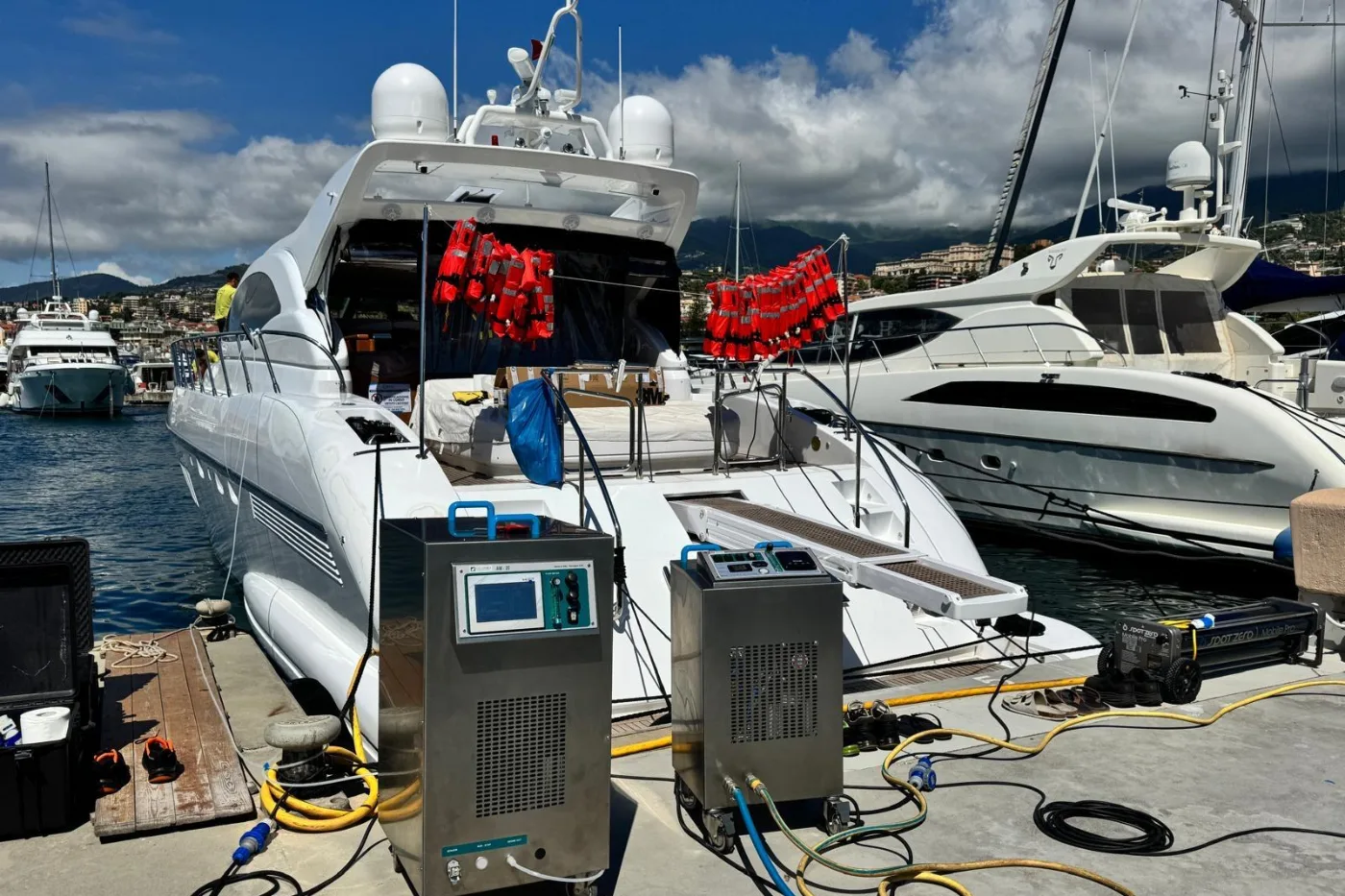
A yacht galley has less room for error
- Galley extraction on a yacht runs through tight spaces next to accommodation, so grease build-up is both a smell and a fire concern.
- A fan that trips or slows is often the first sign the duct is loaded with grease.
- We degrease filters, hood, duct and fan, and add inspection openings where the duct cannot otherwise be reached.
- The report records what was cleaned and when the next clean is due.
Galley and laundry extraction duct cleaning · Galley hood cleaning
Questions about this case
Was this job done on a yacht?
No. It was carried out ashore by AirBio in a professional kitchen. We publish it because the method, the team and the report are the same ones we use in yacht galleys.
Why did the fan keep switching off?
Grease in the ducts and on the fan increased the load on the motor and reduced airflow, so the motor protection kept cutting in.
Why use steam on the filters?
High-temperature steam softens hardened grease, so less scraping and fewer abrasive tools are needed.
How often should galley extraction be cleaned?
It depends on how much cooking is done. A busy yacht galley in season needs filters cleaned far more often than the ducts; we set the interval in the report.
Where this information comes from
All information on this page comes from the original AirBio case study, published on airbio.it.
Caso studio pulizia cappe Delivery Valley Torino
Description of the job and photos.
The services behind this job
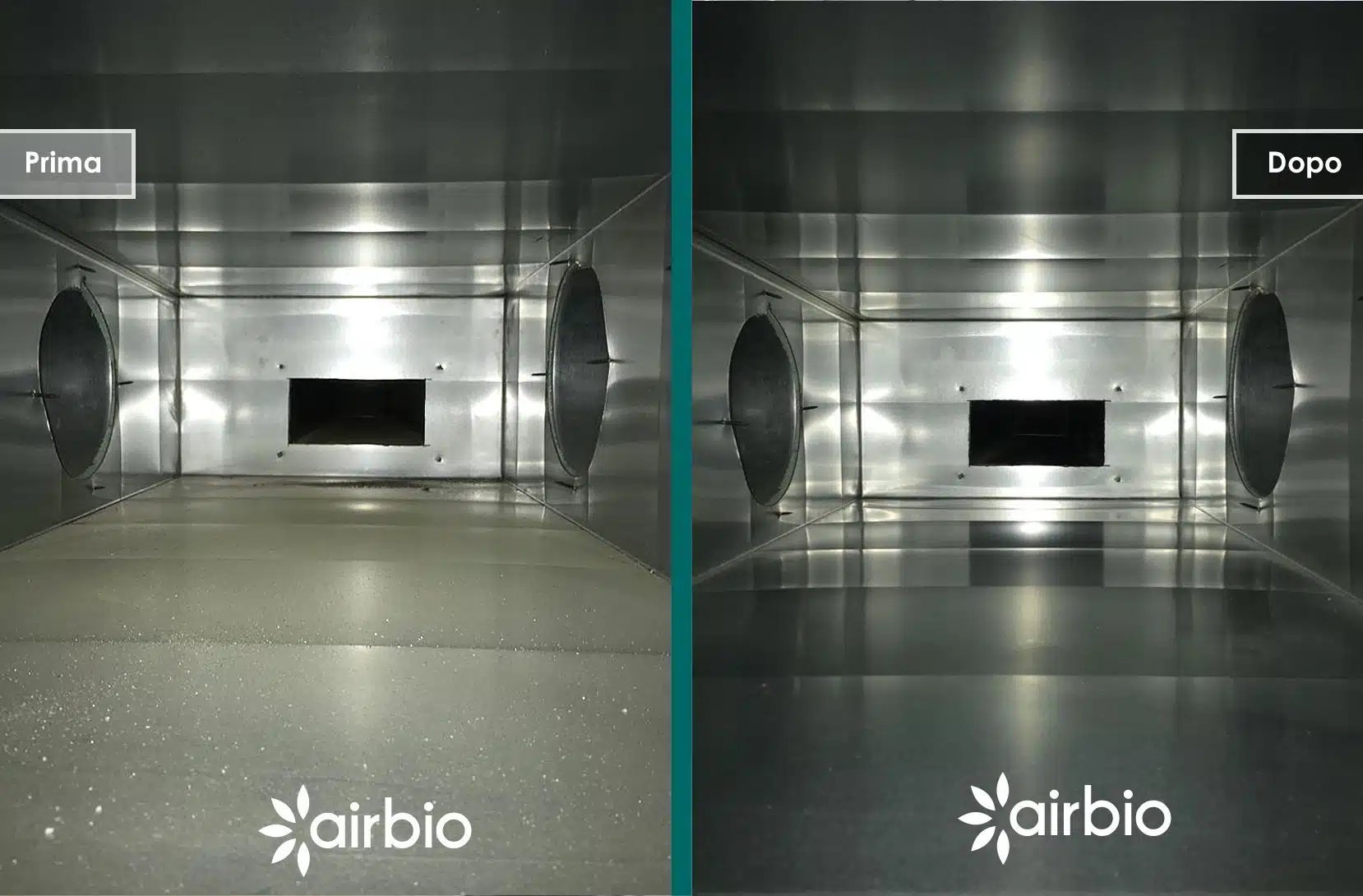
Medical centre: AHU, ducts and fan coils
Swabs before and after: over 99.9% fewer microorganisms.
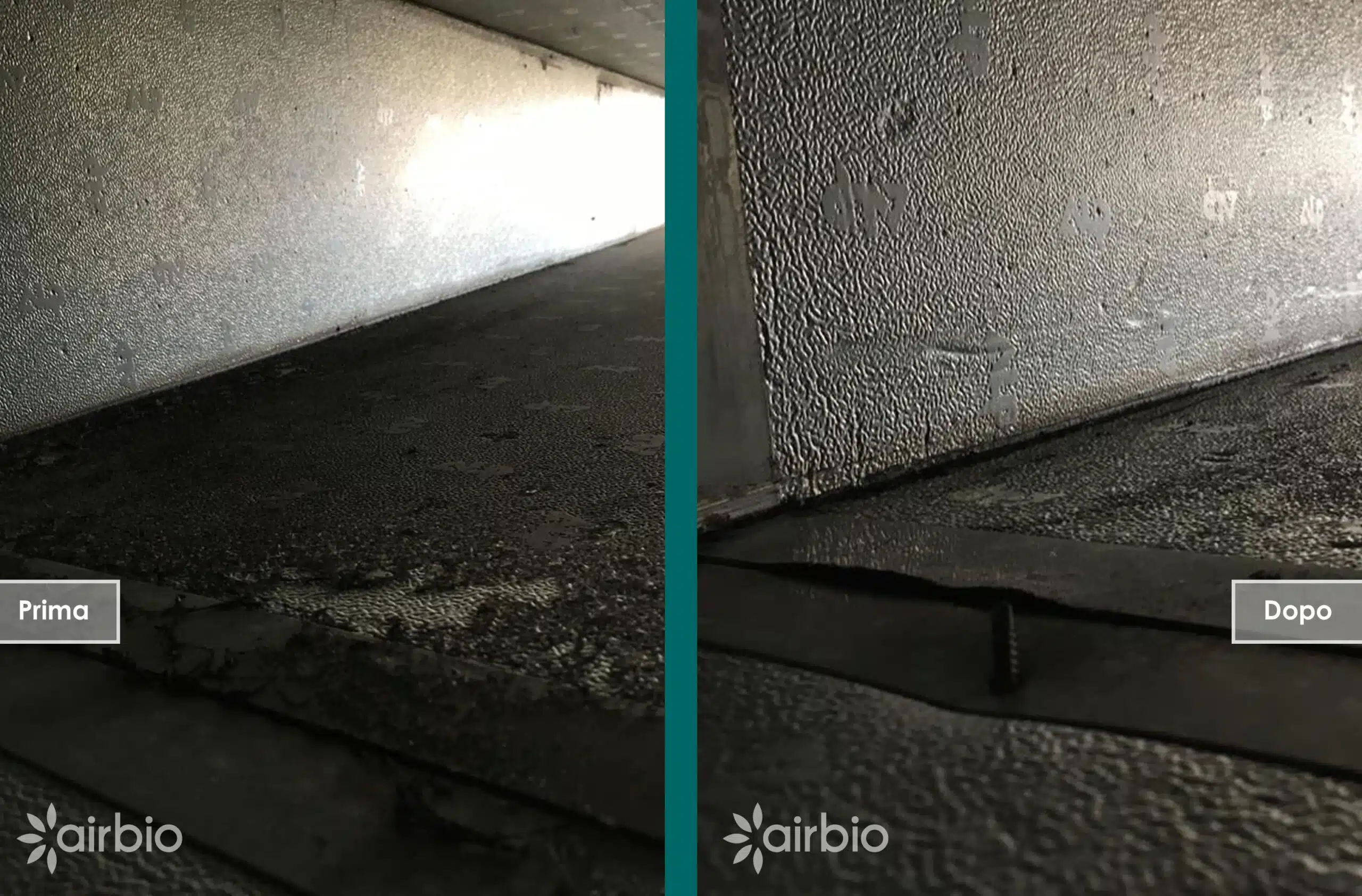
Industrial plant: supply ducts and insulation
29,000 to under 10 microorganisms per 100 cm².
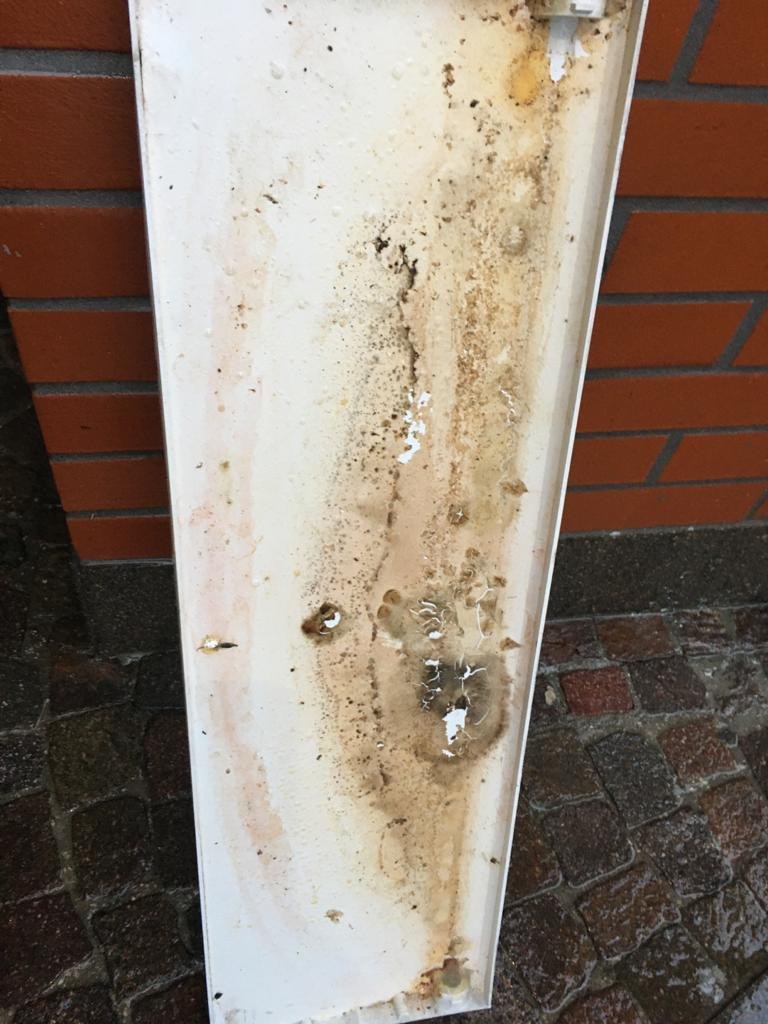
Diagnostic centre: fan coils and splits
Mould on panels and deposits in the condensate trays.
Motor yacht: water system and fan coils
Water and air treated during the same yard stop.
Water and air in the same stop?
Tell us the yacht, what the crew has noticed and where she is now: a technician calls you back within 24 hours and plans both sides around your programme.
Tell us about the yacht
Yacht length, marina, systems and what you have noticed on board. A technician reads the message and calls you back to plan the survey.
"*" indicates required fields
Where we work
Italian Riviera and Tuscany marinas and yards — Viareggio, La Spezia, Portofino, Genoa, Sanremo, Livorno, Argentario — and other Mediterranean ports on request.
Documented work
Every job ends with a technical report and photos for the yacht's records.