

Yacht Sanitization in Monaco
Port Hercule: the tightest berths and the least tolerance for disruption.
Monaco is the hardest port on this list to work in, and the easiest to get wrong. Space is measured in centimetres, the neighbours are watching, and nobody has a spare afternoon. We plan accordingly.
Space on the quay is the whole constraint
Nothing about the yacht is difficult here. The quay is.
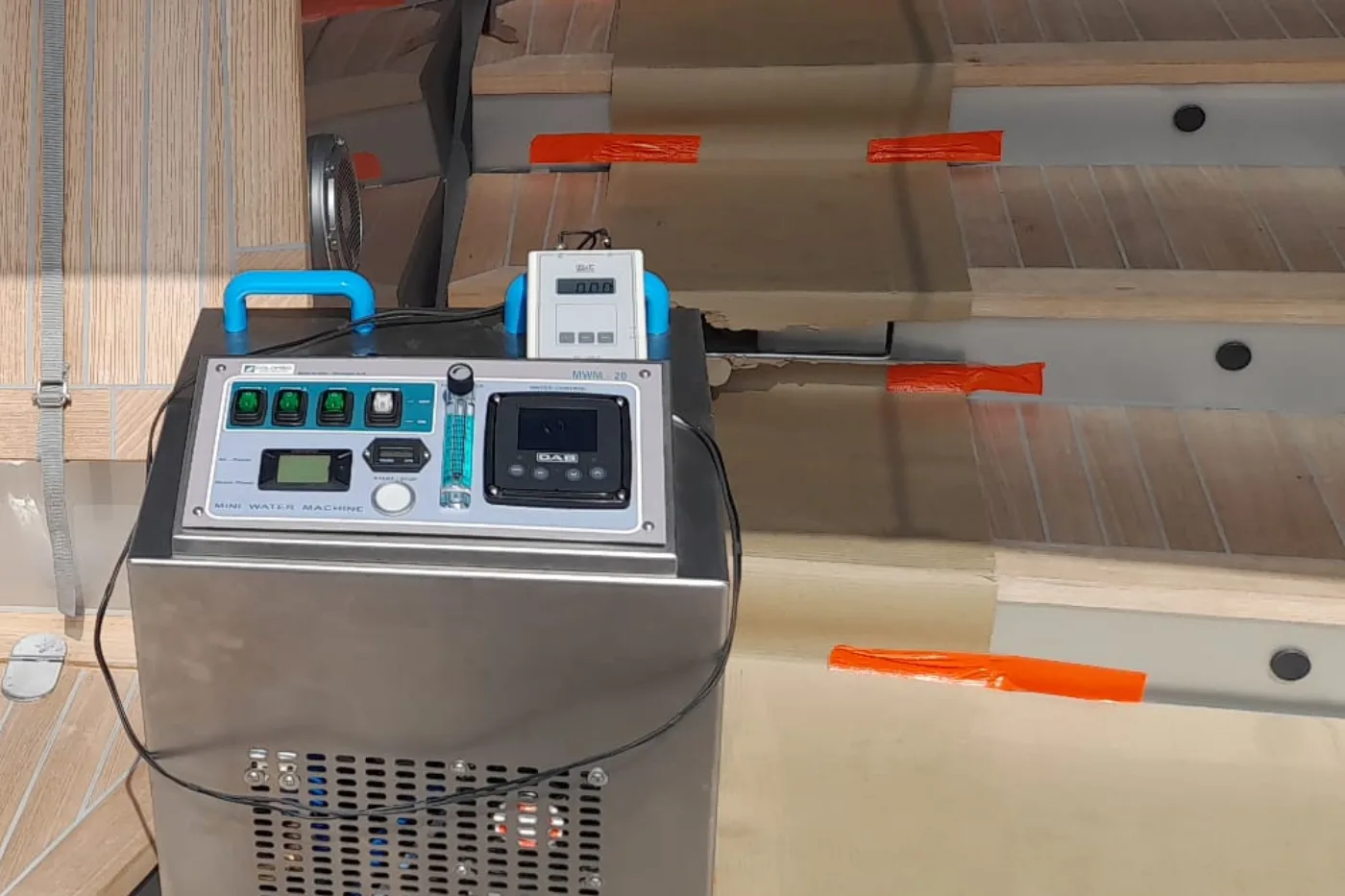
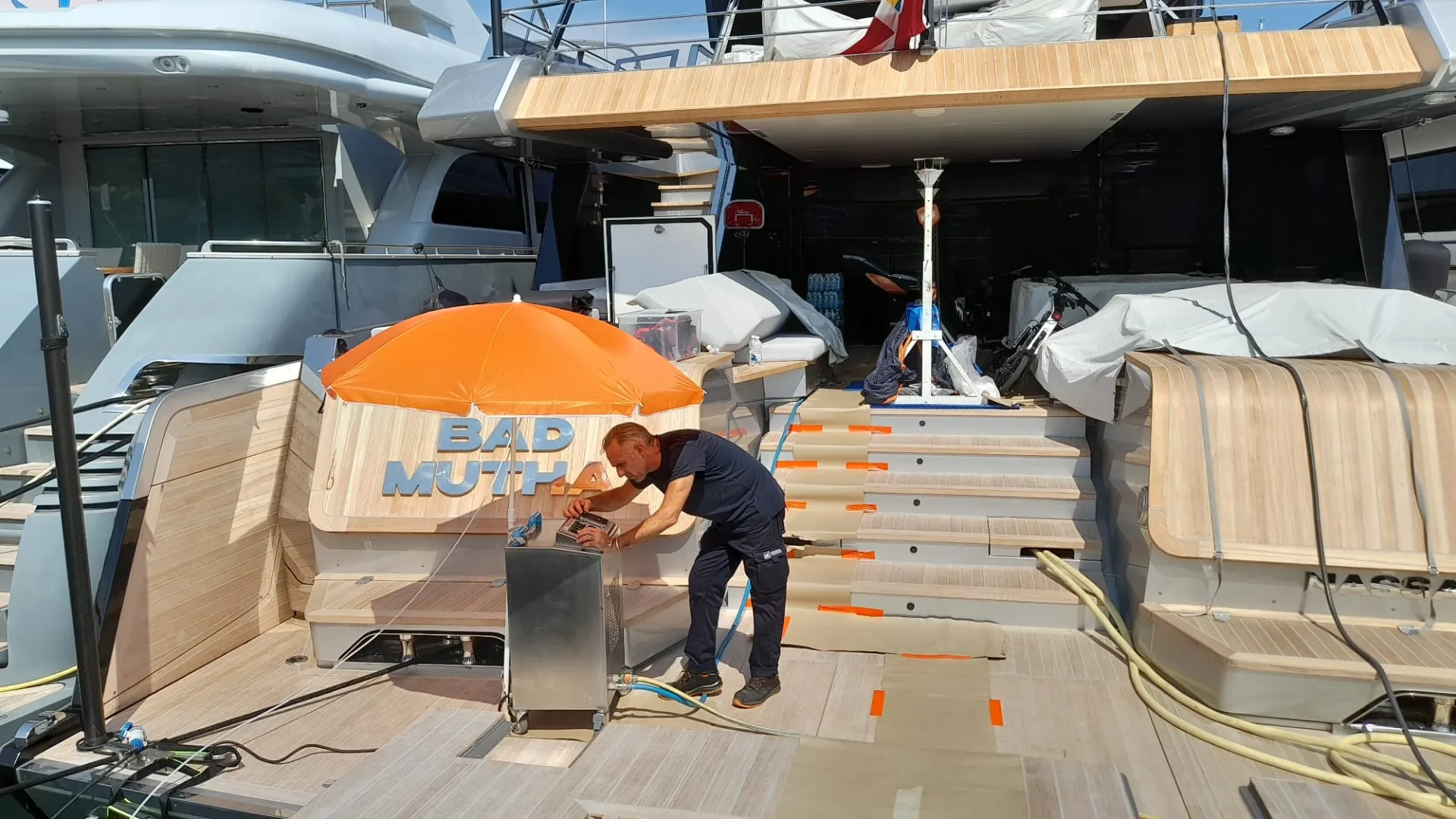
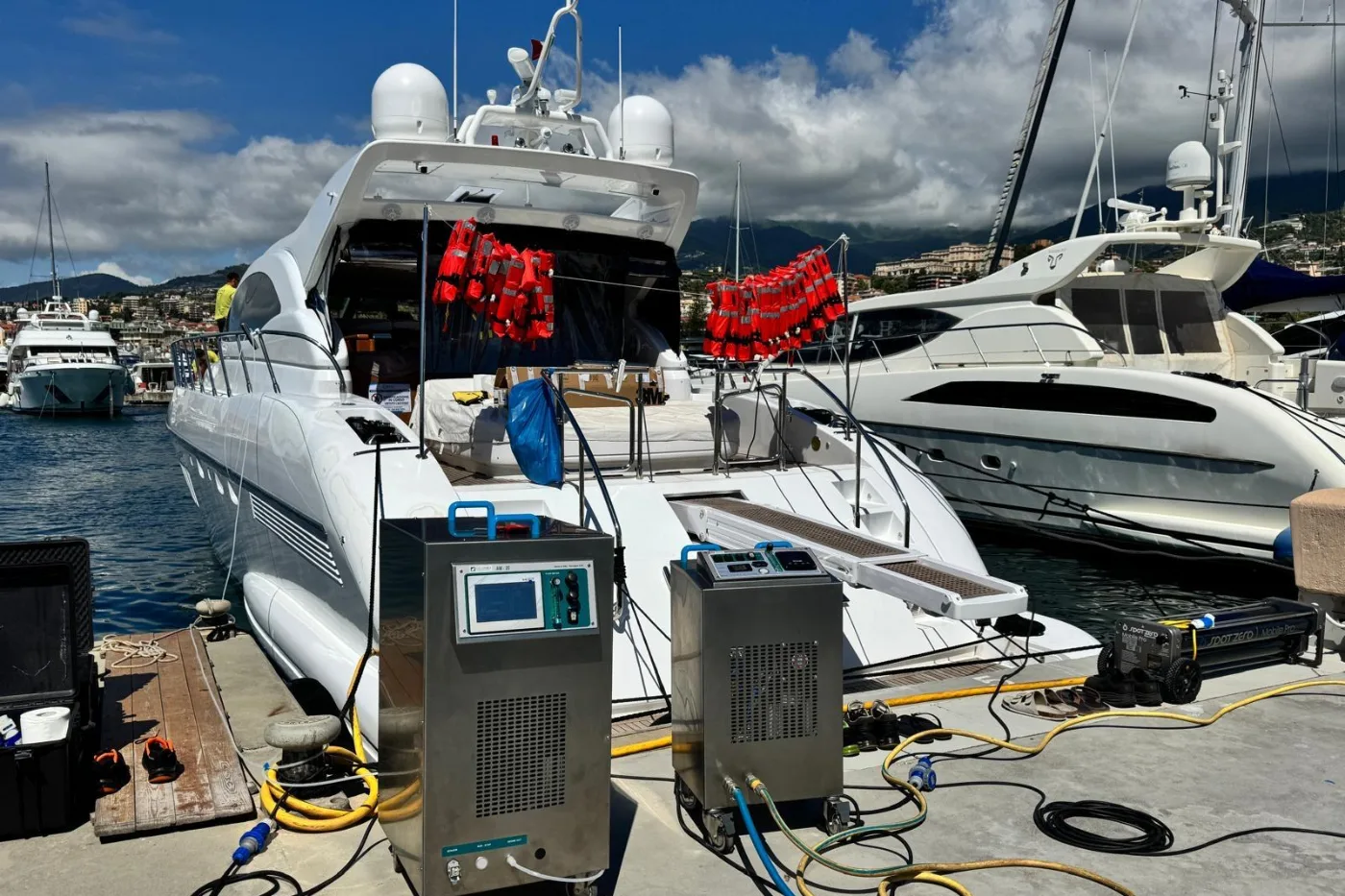
Our equipment lives ashore: two wheeled units and the hoses that run aboard. In most ports that is nothing. In Port Hercule, where the quay is a public promenade and the berth either side is occupied, it has to be agreed before the day rather than discovered on it.
That is why the survey matters more here than anywhere. We look at where the units can stand, how the hoses run without crossing a passerelle, and what time of day causes the least friction.
Everything else — the treatment, the sampling, the galley extraction — is exactly the same job it is anywhere else.
Everything we can treat while you are in Monaco
The same six jobs make up almost every visit. On most yachts more than one of them is needed at the same time, which is why we survey first and then plan them into a single stop.
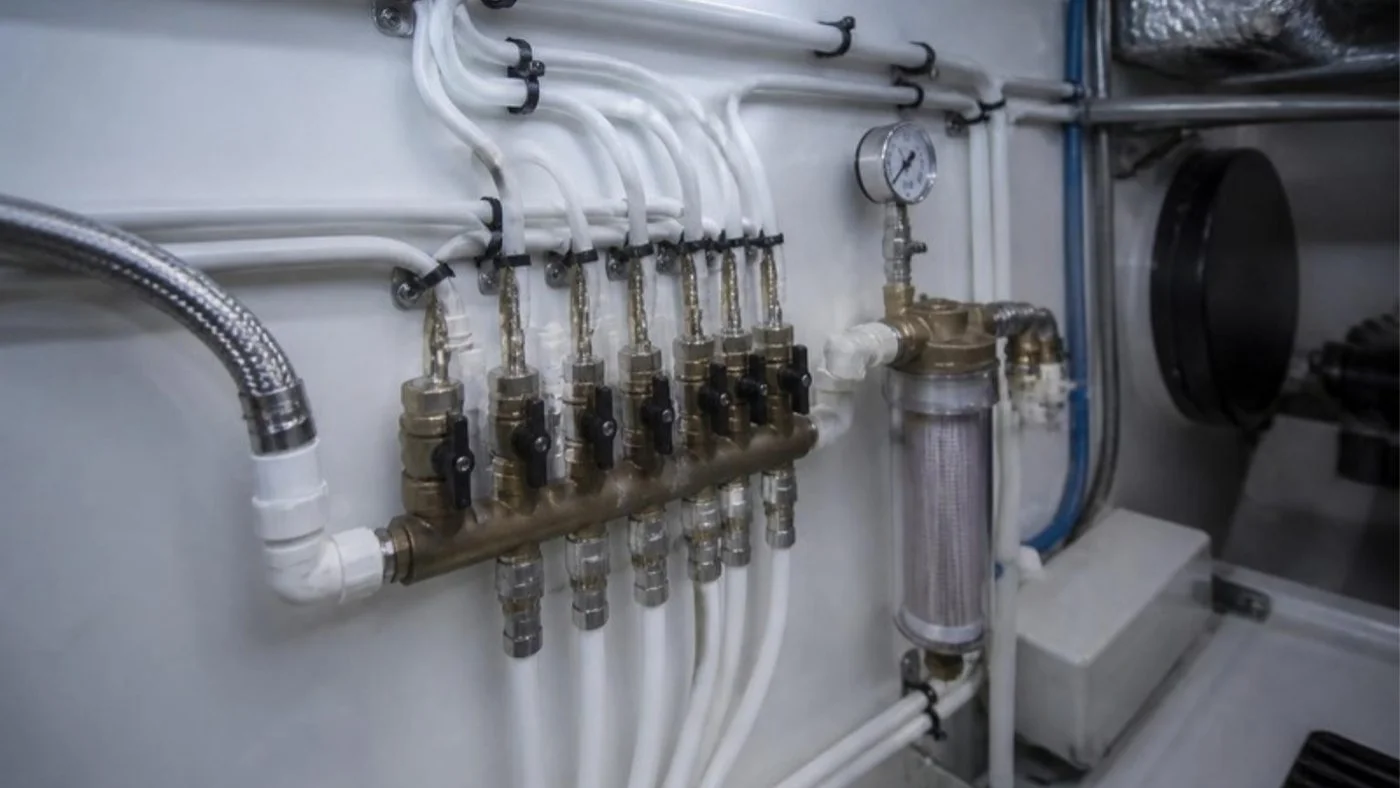
Fresh water system
Tanks, distribution lines and every outlet treated as one network, then checked.
Read more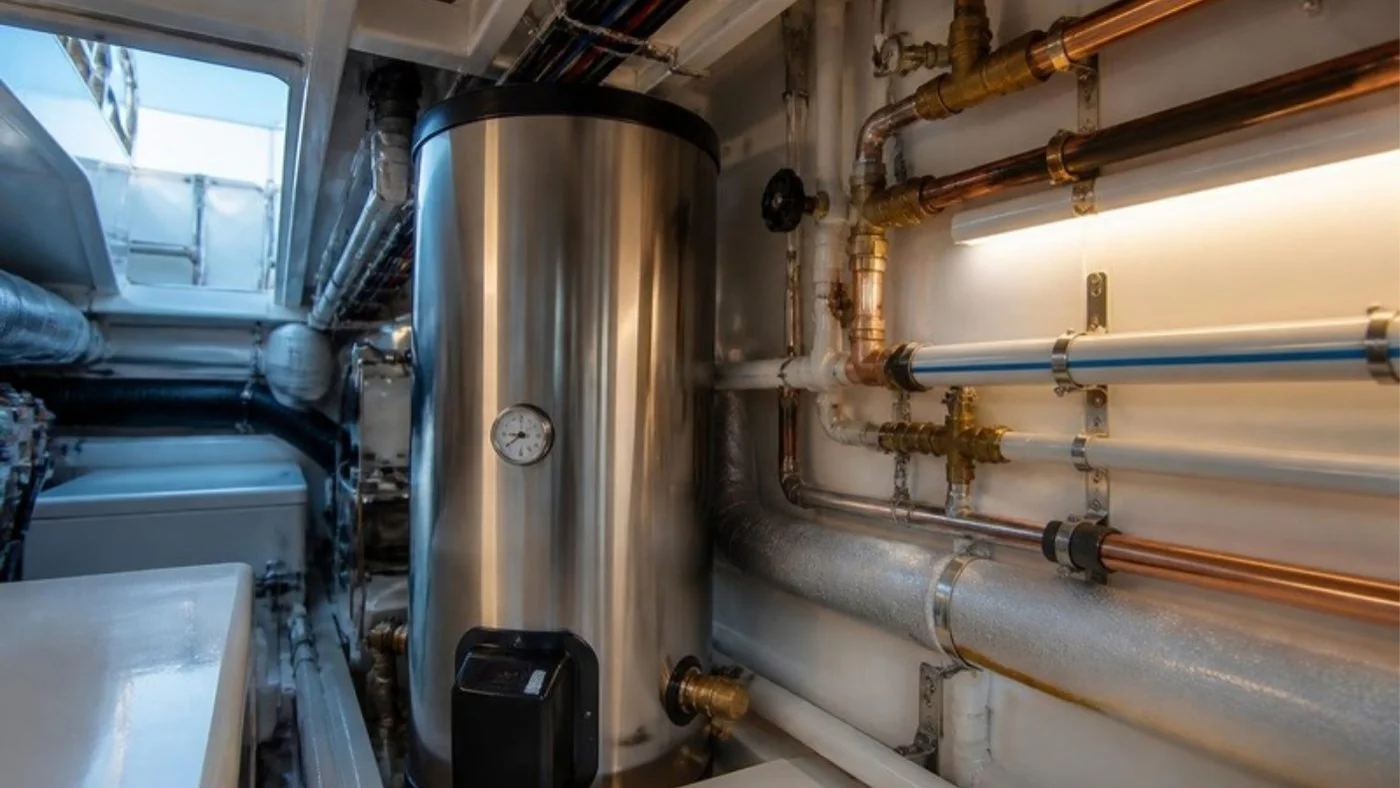
Legionella testing and remediation
A sampling plan, accredited lab analysis, and treatment across the whole network if a sample comes back positive.
Read more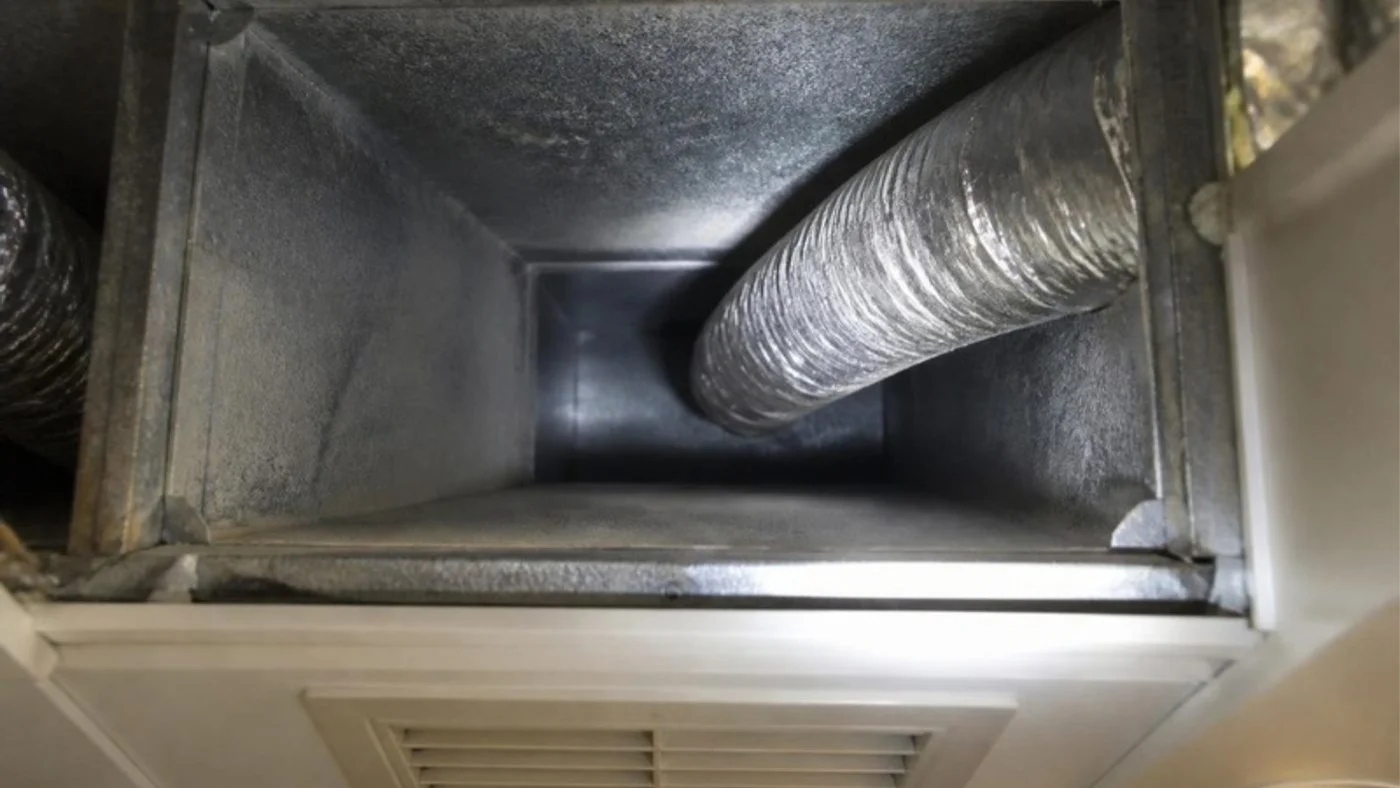
HVAC and air ducts
Ducts and air handling units opened, cleaned and checked, cabin by cabin.
Read more
Fan coils and air conditioning
Units opened, coils and filters cleaned, condensate trays checked — where the smell on start-up usually comes from.
Read more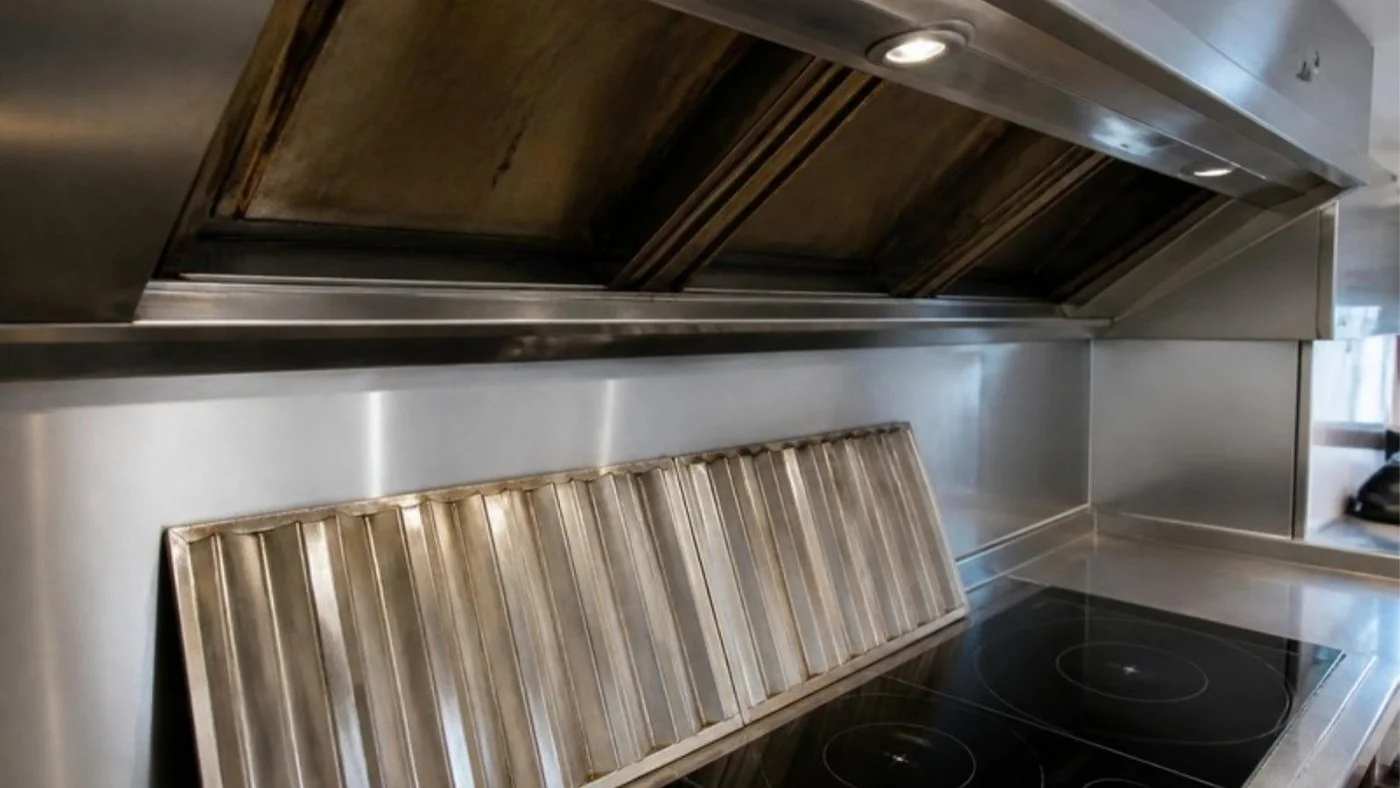
Galley hoods and extraction
Filters, hood and the duct run behind it degreased, right up to the fan.
Read more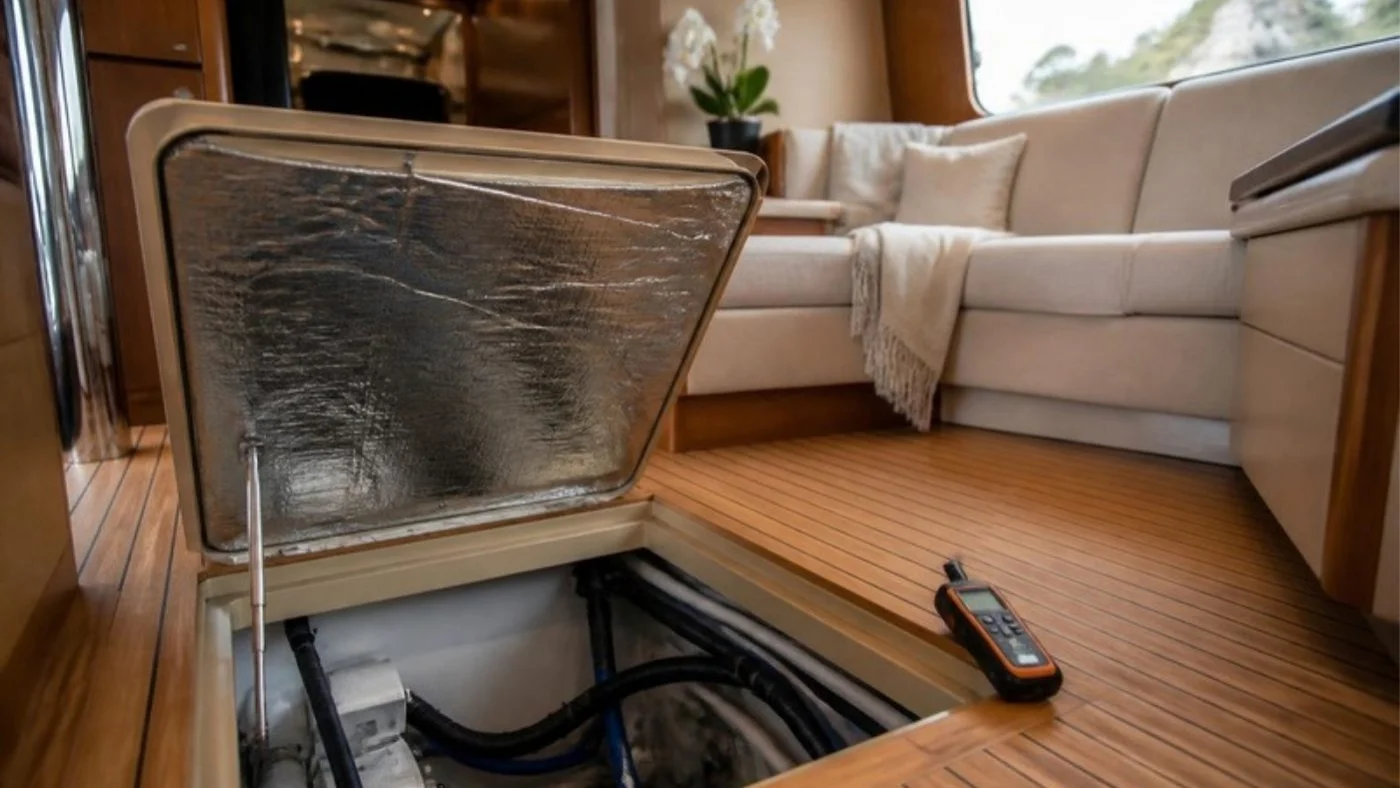
Odour and mould investigation
Finding where a smell or a damp patch actually starts, instead of covering it.
Read moreSee the full list of services if you are looking for something more specific, such as water sampling, post-refit or charter turnaround work.
Avoid the event weeks, or book around them months ahead
There are weeks in Monaco when nothing can be moved on the quay at all, and everyone knows which ones.
Outside those weeks, a normal alongside period is enough for the water system and the galley side.
For anything involving cabin joinery, Monaco is rarely the right port. It is better done at the next stop, and we will say so rather than start something that has to be abandoned.
From the first call to the report
The sequence is the same whichever berth you are on in Monaco. What changes is the timing, and that is planned around the yacht rather than around us.
We look before we quote
A technician goes through the yacht with the crew: which outlets are used daily and which almost never, where the air handling units sit, what the crew has actually noticed.
The visit is planned around you
We fit the work into the window you have — between charters, during a yard period, or over a quiet weekend alongside.
We work alongside
No yard move and no lift. The heavy equipment stays on the quay; only hoses and a small dosing unit come aboard, on protected decks.
You get it in writing
Sampling points, what was done, and the laboratory report where water was analysed. That document is what closes the job.

We come to the yacht, work at the berth and leave a written report. The crew keeps running the boat.
Francesco Colombo
CEO · AirBio Marine, a division of AirBio (Ekonore S.r.l.)
Book a survey at this port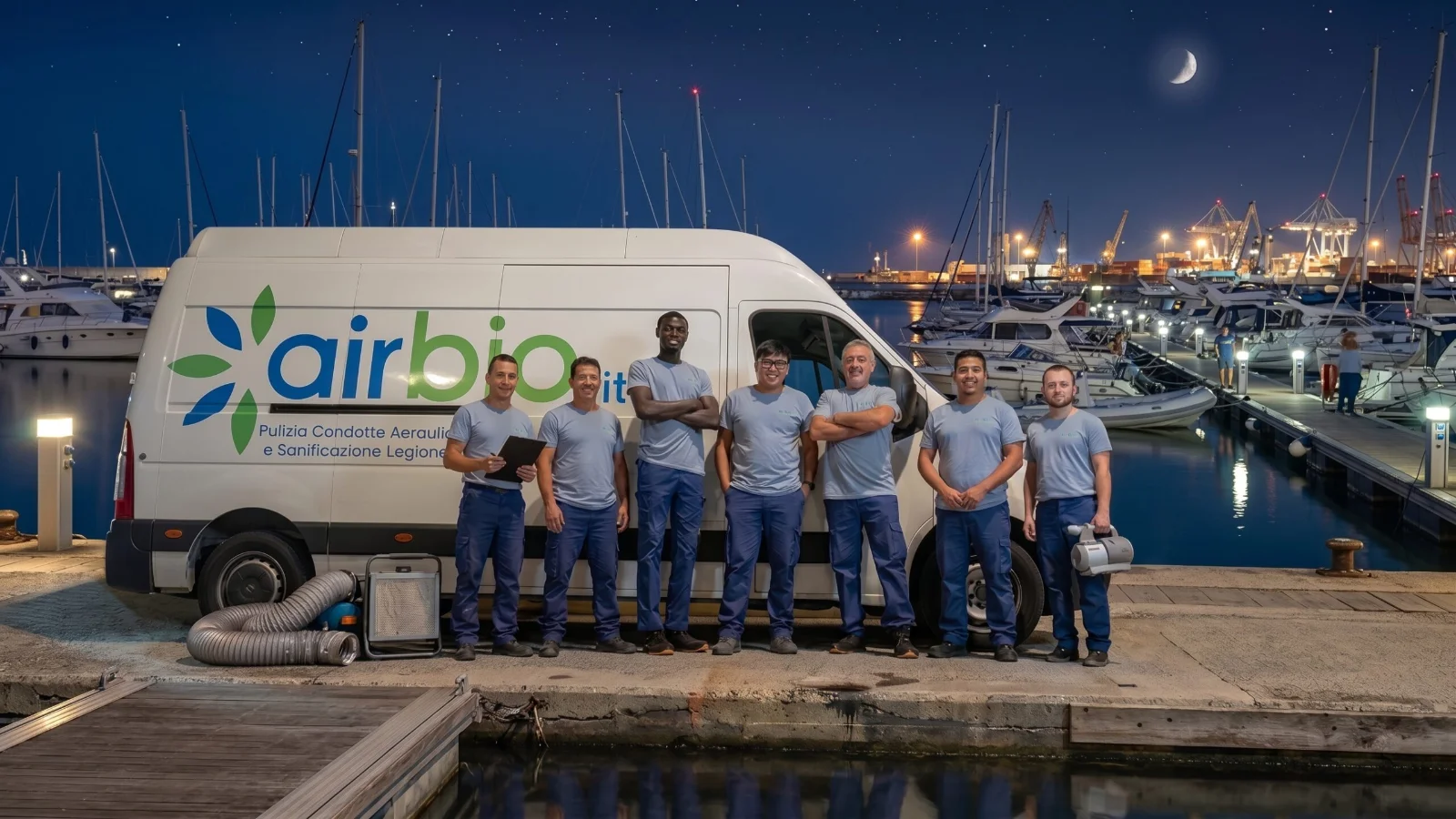
Our own technicians, certified processes
Every intervention is carried out by AirBio technicians employed and trained in house, never subcontracted. We work under certified management systems and close each job with a technical report the captain can file on board.
- ISO 9001Quality
- ISO 14001Environment
- ISO 45001Health & safety
- ISO 16636Pest management
Verified reviews on Trustpilot
What a visit looks like
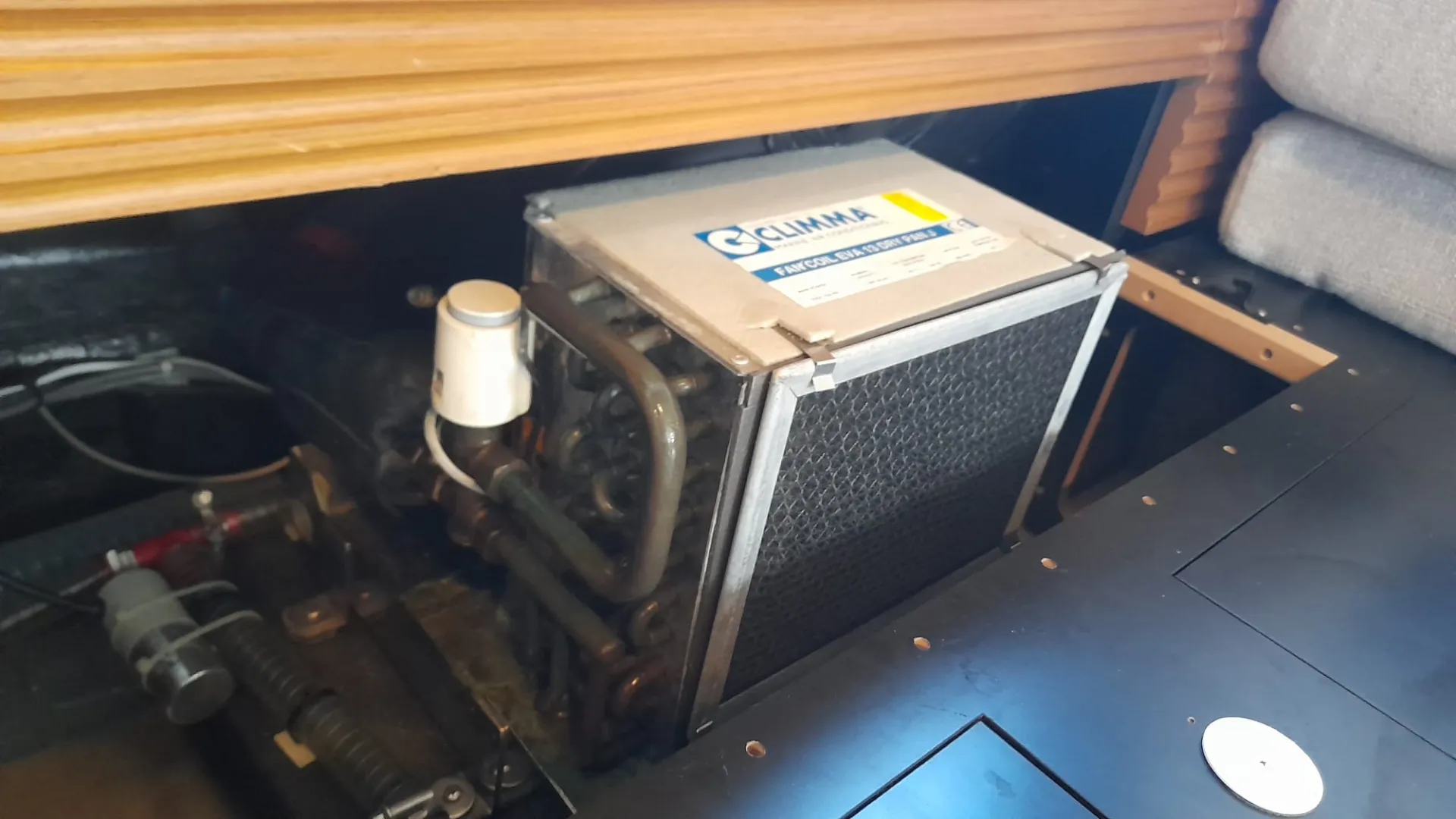
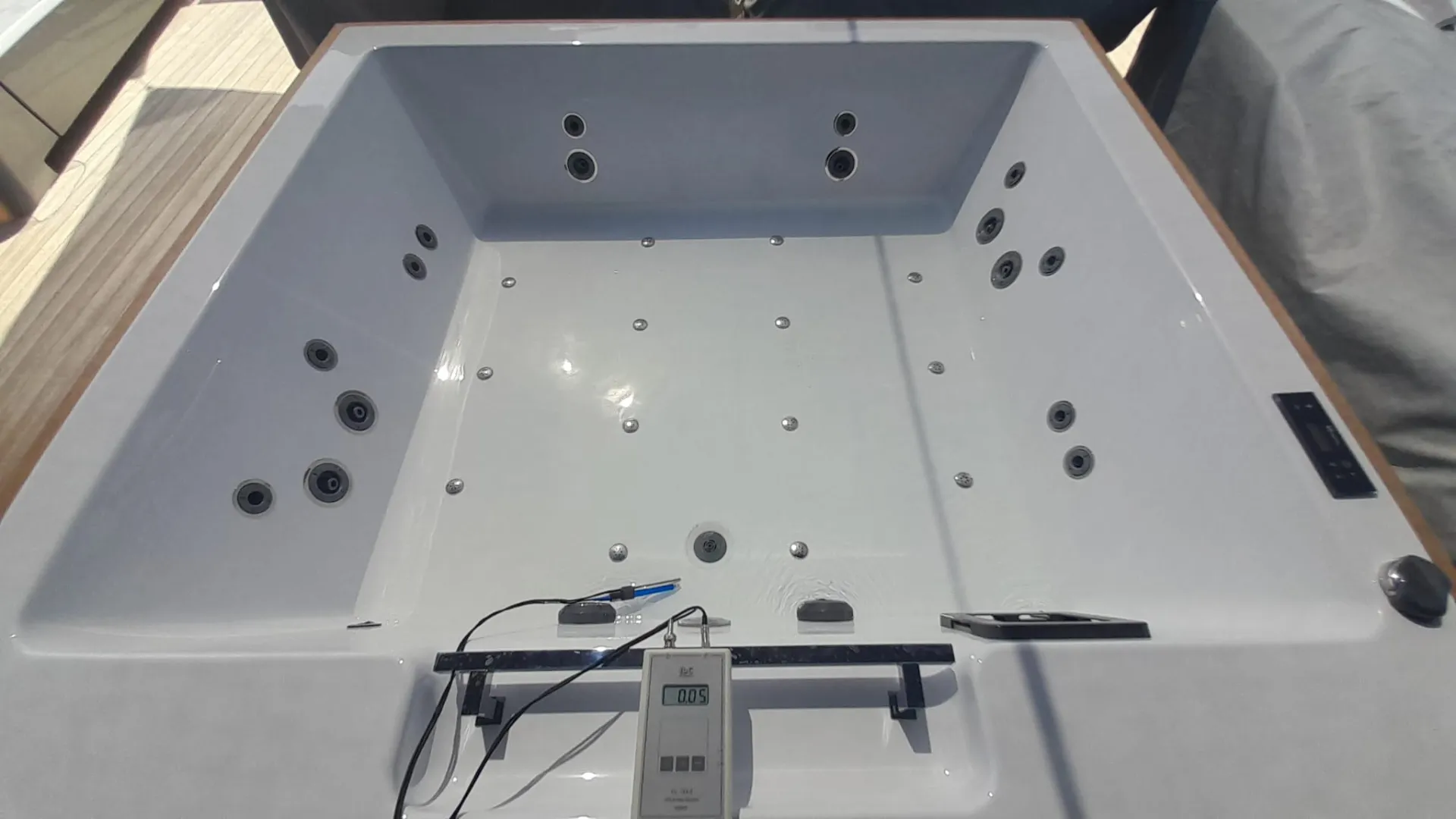
A few moments from the jobs we do on yachts every season: the equipment on the quay, the systems we open and the checks we close with. The same way of working applies in Monaco.

Other ports on the same run
If the yacht moves before we get to you, or you are berthed one harbour along, these are the pages for the ports next door.

Nice
Along the coast to the west.
Open
Antibes
Further west, the wintering port.
Open
Sanremo
Just over the Italian border.
Open
Cannes
West along the Cote d’Azur.
OpenThe complete list is on the ports page.
Working in Monaco: frequently asked questions
How much quay space do you actually need?
Roughly a van’s worth for the units, plus a hose run to the yacht. We confirm it at the survey and agree it with the port before the day.
Can you work without anything standing on the quay?
Not for the water side — the units have to be somewhere. For galley extraction and air-side work the answer is yes, because that equipment is smaller and comes aboard.
Is it better to do this in Monaco or at the next port?
If the job is the water system or the galley, Monaco is fine. If it means opening cabins, plan it for a port with more room and a longer stop.
Berthed in Monaco?
Tell us the berth, the dates and what the crew has noticed. A technician calls you back within 24 hours and checks the quay before anything is promised.
Tell us about the yacht
Yacht length, marina, systems and what you have noticed on board. A technician reads the message and calls you back to plan the survey.
"*" indicates required fields
Where we work
Italian Riviera and Tuscany marinas and yards — Viareggio, La Spezia, Portofino, Genoa, Sanremo, Livorno, Argentario — and other Mediterranean ports on request.
Documented work
Every job ends with a technical report and photos for the yacht's records.