
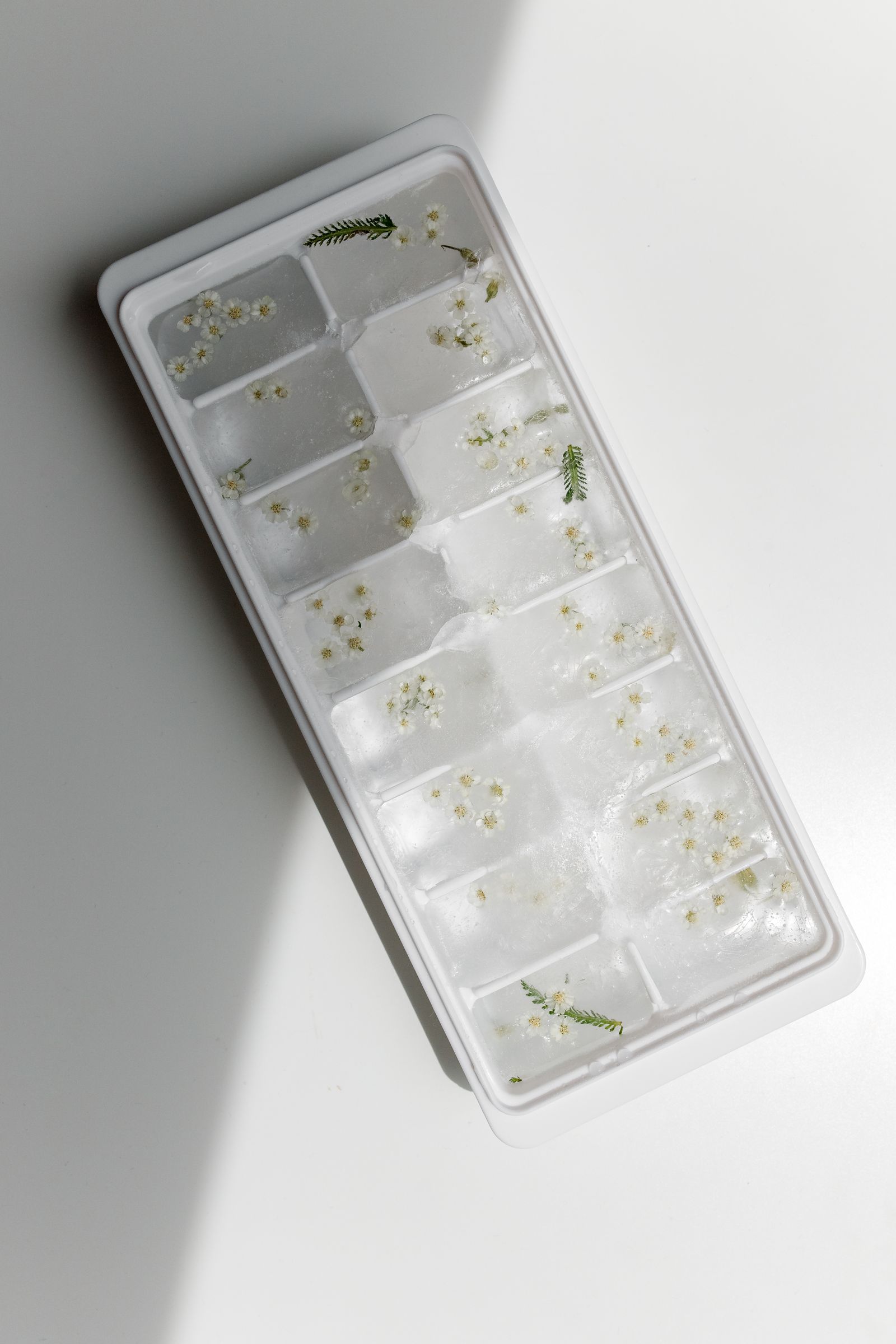
Ice Makers, Coffee Machines and Drink Dispensers: The Forgotten Water Points
The tank can be clean and the ice can still be a problem. Here is what the WHO ship guide says about ice, what the CDC says about ice machines, and a checklist for the small water points.
Scientific review by Linda Abenaim, Biologist ·
The WHO Guide to Ship Sanitation classes ice as food and says only potable water must be piped to the ice freezer. The CDC says ice machines should be cleaned regularly and their filters replaced as the maker recommends, and that routine Legionella testing can be considered.
Why small water points matter
An ice maker, a coffee machine and a drinks dispenser all take water from the yacht’s system and keep some of it inside. It sits, it warms, and a film can build up on the parts nobody sees.
Because they are served after the tap, guests drink or eat what comes out of them directly. Ice goes straight into a glass. See our guide to the water safety plan for where these points fit in.
What the sources say
- Ice is food (WHO ship guide): ice supplied to ships or made on board, for drinking and for cooling, is classed as food. Only potable water must be piped to the ice freezer.
- Taps and aerators (WHO ship guide): aerators can hold Pseudomonas aeruginosa and should be regularly cleaned and disinfected.
- Ice machines (CDC, buildings): clean regularly and replace filters as the maker recommends. Consider routine Legionella testing, for example where higher-risk people are served.
- Stagnation (CDC, buildings): avoid it by flushing low-flow piping and dead legs.
- Coffee machines and dispensers: the WHO ship guide chapter we read has no section on them. Follow the maker’s cleaning instructions and treat them as part of your water plan.
What the sources say about small water points
From the WHO Guide to Ship Sanitation and CDC guidance for buildings.
Have you counted every water point on board?
Tell us what machines you have. We will add them to your water checks.
The key points
The pattern is simple. Every one of these points is a small dead end on the water system. What comes out of it is only as clean as its last cleaning.
This article gives a checklist, not a set of intervals. Neither source we read gives a fixed cleaning interval for these machines, so follow the maker and your own plan.
 Biologist
Linda Abenaim, Biologist at Ekonore / AirBio
Ice makers and coffee machines hold small amounts of water that sit still for hours, often in warm spots. They are rarely included in tank disinfection, so they can keep their own bacteria long after the main system is clean.
Linda Abenaim · Biologist, Ekonore / AirBio
Include every appliance with a water inlet in the next sanitisation plan, from ice makers to drinks dispensers.
- Small volumesstanding for hours
- Warm spotsinside galley furniture
- Forgottenleft out of tank treatment
Where to look on a yacht
Ice maker. Is it fed with potable water, cleaned regularly and are the filters changed as the maker says?
Ice scoop and bin. Are they kept clean and used only for ice?
Coffee machine. Do you descale and clean it as the maker says, and empty and refill the tank?
Dispensers and taps. Are aerators cleaned and disinfected regularly?
Machines in cabins. Are they used, or do they sit for weeks with water inside?
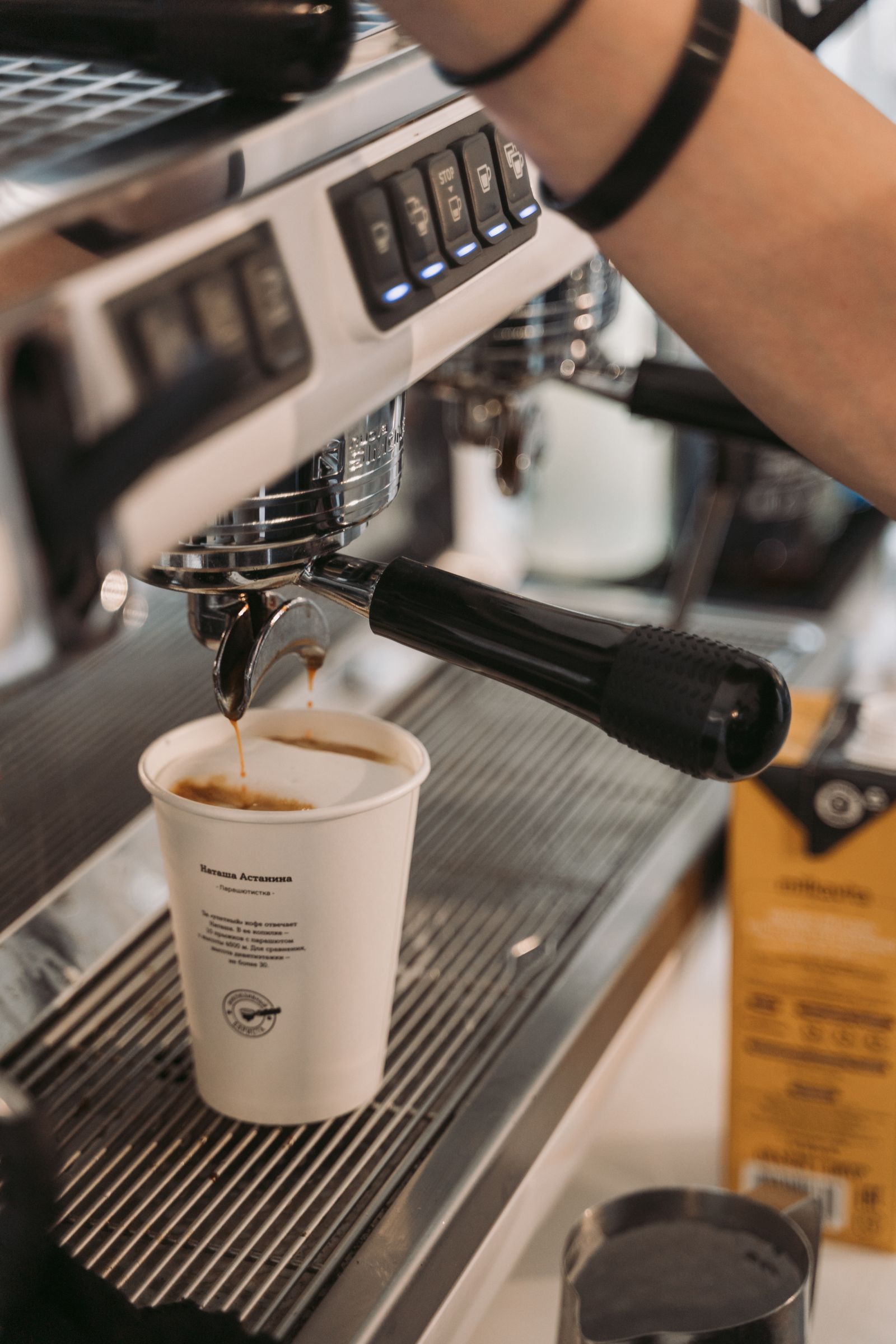

Nobody thinks of the ice machine as part of the water system. It is, and guests eat what comes out of it.
Francesco Colombo
CEO · AirBio Marine, a division of AirBio (Ekonore S.r.l.)
Book a water checkVerified reviews on Trustpilot
Reviews of La BioDisinfestazione | Ekonore Italia, the group AirBio Marine belongs to.
What we do
We include ice makers, dispensers and coffee machines in our water checks. We sample the water they serve, check what they are fed with, and clean and sanitize the parts we can reach. If the maker gives instructions, we follow them.
See our water sampling and water system sanitization services.
How we check the small water points, step by step
Five steps, planned with the crew.
List
We list every machine and tap that serves food or drink.
Check
We look at feed water, filters and cleaning records.
Sample
We sample the water and ice they serve.
Clean
We clean and sanitize the parts we can reach.
Report
You receive results and a written summary.
We list every machine, so nothing is left out of the water plan.
Francesco Colombo
CEO · AirBio Marine, a division of AirBio (Ekonore S.r.l.)
Speak to our teamA sample routine
A starting point. Follow the maker’s instructions for each machine, and add them to the water plan.
- Each machine: confirm it is fed with potable water.
- Regularly: clean ice machines and change filters as the maker recommends. Clean and disinfect tap aerators.
- Regularly: flush low-use lines and empty water from machines that are not being used.
- At planned intervals: sample the water and ice they serve. Consider Legionella testing.
- After a lay-up: clean and flush before the machines are used again.
- Always: keep the cleaning dates and results on file.
Warning signs
- Ice that smells or tastes odd.
- Slime or scale inside an ice bin or a coffee machine tank.
- A machine that has stood full of water for weeks.
- No record of when filters were last changed.
See also cloudy yacht water and biofilm in yacht pipes.
FAQ
Is ice on a yacht treated as food?
Yes. The WHO Guide to Ship Sanitation classes ice supplied to ships or made on board, for drinking and cooling, as food.
What water should feed an ice maker?
Only potable water, according to the WHO ship guide.
How often should an ice machine be cleaned?
The CDC says regularly and to change filters as the maker recommends. Neither source we read gives a fixed interval, so follow the maker’s instructions.
Should ice machines be tested for Legionella?
The CDC says to consider routine testing, for example where higher-risk people are served.
What does the WHO ship guide say about coffee machines?
The chapter we read has no section on them. Follow the maker’s instructions and include them in your water plan.
Do the CDC pages apply to yachts?
They are written for buildings. Use them as a model, and follow the WHO ship guide first.
Sources
- World Health Organization — Guide to Ship Sanitation, 3rd edition (2011), water chapter: ice, potable water, aerators.
- US Centers for Disease Control and Prevention — Controlling Legionella in Other Devices (2025): ice machines and stagnation (buildings).
Not sure the ice and coffee machines are safe?
We sample what they serve, clean what we can reach and report the results.
Speak to a marine technicianRelated on AirBio Marine
Ready to check the small water points?
Sampling, cleaning and a written report, at the berth.
Verified reviews on Trustpilot
Reviews of La BioDisinfestazione | Ekonore Italia, the group AirBio Marine belongs to.
Tell us about the yacht
Yacht length, marina, systems and what you have noticed on board. A technician reads the message and calls you back to plan the survey.
"*" indicates required fields
Where we work
Italian Riviera and Tuscany marinas and yards — Viareggio, La Spezia, Portofino, Genoa, Sanremo, Livorno, Argentario — and other Mediterranean ports on request.
Documented work
Every job ends with a technical report and photos for the yacht's records.