
What each yacht water test result means, in plain words
E. coli, plate counts, Pseudomonas: what the lab lines mean, and what to do when one is not clean.
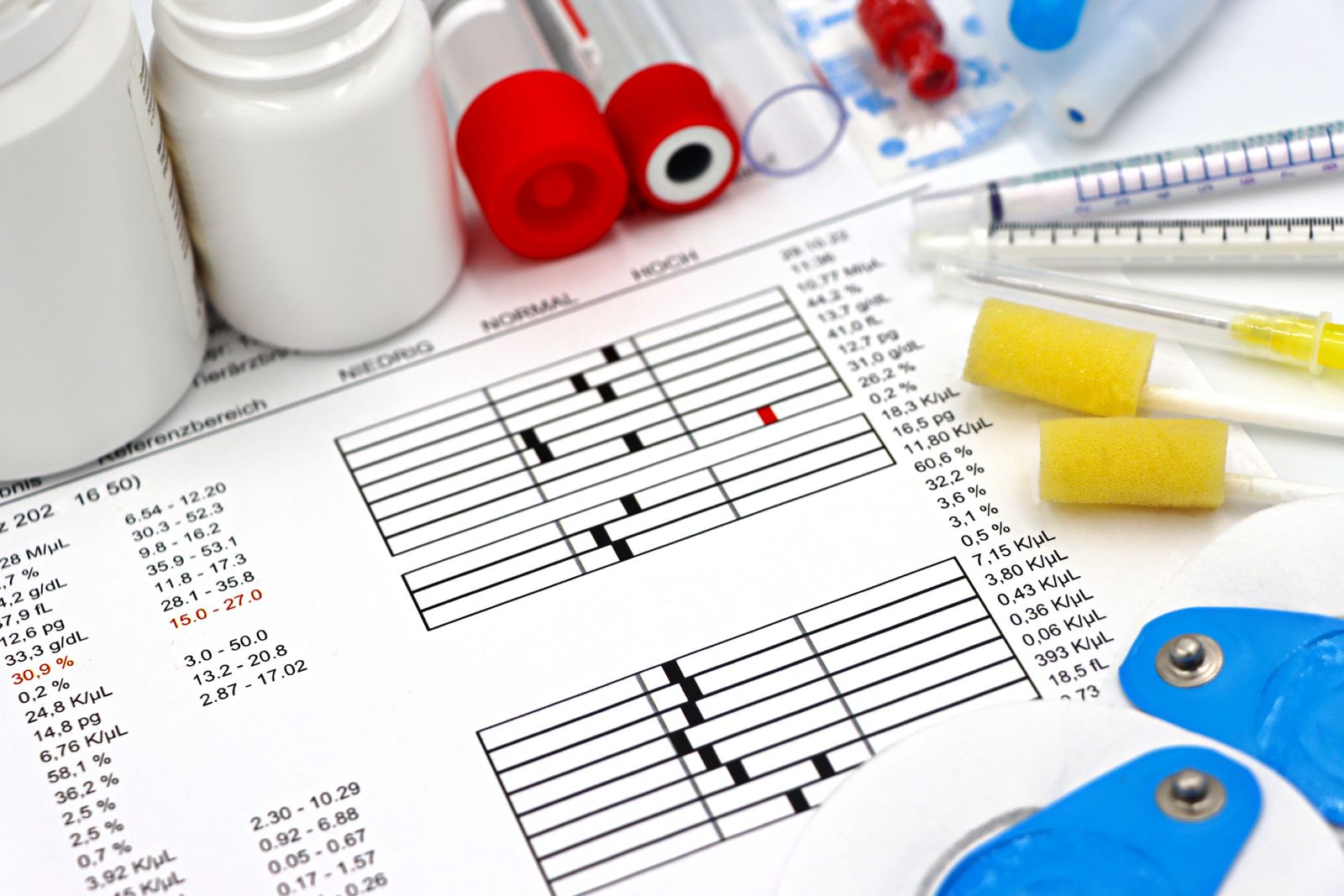
A water lab report is a list of names and numbers. This guide explains the main lines in plain words, using the WHO Guide to Ship Sanitation, and says what to do next.
Why the report is hard to read
A lab report usually gives a name, a number and a limit. Most crews and captains are not sure which line matters most, or what to do if one line is red.
The short answer: E. coli is the line that matters most. It points to contamination from human or animal waste. The other lines tell you about the general state of the water system.
This page covers the main lines only. Limits also depend on your flag, the port, and any charter company rules. We do not list national or EU limits here, because we have not checked the full legal tables for this page. Ask your lab which limits it applies.
What the WHO guide says
The WHO Guide to Ship Sanitation is written for ships. It says that no E. coli or thermotolerant (faecal) coliforms should be detected in any 100 ml sample of the water.
It also says a positive test may point to disease-causing bacteria linked to human waste. And it warns that these tests are of limited use for day-to-day control, because even a short exposure to unsafe water can cause an outbreak. So the guide asks for continuous checks of the disinfectant level, ideally automatic, including at the farthest tap, for example on the bridge deck.
The key points from the WHO guide
From the water chapter of the Guide to Ship Sanitation.
Want a water report reviewed?
Send us the results. We will tell you what we would check.
What each result tells you
E. coli and faecal coliforms. These are signs that waste may have reached the water. The guide target is none in a 100 ml sample.
Heterotrophic plate count (HPC). The guide says HPC gives an overview of how much bacterial life is in the system. In the passage we read there is no single pass-or-fail number, so use the limit your lab, flag or charter company applies. A rising trend across tests is a useful warning even if one result looks fine.
Pseudomonas aeruginosa. The guide notes that tap aerators can hold very high numbers of it. It asks for aerators to be cleaned and disinfected regularly.
Disinfectant level. This is measured on board, not in a lab. It tells you if the treatment is working right now, at the tap.
If E. coli is found
If the lab finds E. coli or faecal coliforms, treat the water as unsafe to drink until you have a clean result.
- Stop drinking and cooking with the water, and tell the crew and guests.
- Check the disinfectant level at the tap and at the farthest tap.
- Look for a cause: a recent fill in a new port, an open tank hatch, a repair, a backflow.
- Clean and disinfect, then take a new sample.
These steps are our practical advice. The WHO guide sets the target; it is not a step-by-step recipe for your yacht.

A number on a report is a question, not an answer. Find out where it comes from before you treat it.
Francesco Colombo
CEO · AirBio Marine, a division of AirBio (Ekonore S.r.l.)
Book a water result reviewVerified reviews on Trustpilot
Plate counts and Pseudomonas
A high plate count or Pseudomonas result usually points to the water system itself: old tank sediment, biofilm in pipes, dirty aerators, or hot water that is too cool.
Read more in our guides on why biofilm comes back and tank inspection. Take samples at the same points each time, so results can be compared.

What we do after a bad water result, step by step
Five steps. We only report what we can see and measure.
Read the report with you
We go through each line and the limit used by your lab.
Find where it starts
We check the tank, the pipes, the taps and the aerators.
Clean and disinfect
We treat the parts that need it, following your water plan.
Take new samples
We sample the same points again.
Report
You get the results and photos to keep in the ship file.
Take samples at the same taps each time. Then you can see if things are getting better or worse.
Francesco Colombo
CEO · AirBio Marine, a division of AirBio (Ekonore S.r.l.)
Speak to our teamWhat to do after a bad result
Not every problem shows in a lab test. Watch for cloudy water, a smell of chlorine or of drains, a taste change, and guests or crew with stomach upsets. Any of these is a reason to test, whatever the last report said.
See also our pages on cloudy water and water smells.
Warning signs on board
Keep every report in the ship file, with the date, the sample point and the action taken. A captain who can show a clear record of tests and follow-up is in a much stronger position with a charter guest, a surveyor or an inspector.
Questions
Is one clean result enough?
No. The WHO guide says lab tests are of limited use for day-to-day control, because contamination can come and go. Regular checks of the disinfectant level matter as well.
What is E. coli telling me?
That waste may have reached the water. The WHO guide target is none in a 100 ml sample.
What does HPC mean?
Heterotrophic plate count. The guide says it gives an overview of the general state of the water system.
Why is Pseudomonas linked to taps?
The WHO guide notes that aerators can hold very high numbers of Pseudomonas aeruginosa, so they should be cleaned and disinfected regularly.
Which limits apply to my yacht?
It depends on the flag, the port and any charter rules. We do not list them here. Ask your lab which limits it uses.
Can AirBio Marine read my report?
Yes. We can go through it with you and tell you what we would check next.
References
- World Health Organization — Guide to Ship Sanitation, 3rd edition (2011), chapter on water: microbiological testing and monitoring.
Got a water report you are unsure about?
We read it with you and tell you what to check next.
Speak to a marine technicianRelated on AirBio Marine
Ready to check your water system?
Inspection, sampling and a clear report, at the berth.
Verified reviews on Trustpilot
Tell us about the yacht
Yacht length, marina, systems and what you have noticed on board. A technician reads the message and calls you back to plan the survey.
"*" indicates required fields
Where we work
Italian Riviera and Tuscany marinas and yards — Viareggio, La Spezia, Portofino, Genoa, Sanremo, Livorno, Argentario — and other Mediterranean ports on request.
Documented work
Every job ends with a technical report and photos for the yacht's records.