
Filling Yacht Water in a Foreign Port: What to Check Before You Connect
The water you take on at a quay is only as good as the supply, the barge and the hose. Here is what the WHO guide for ships asks you to check, and what to do with the hose.
Scientific review by Linda Abenaim, Biologist ·
The WHO Guide to Ship Sanitation says water taken on board must come from supplies that meet the WHO drinking-water guidelines or national standards, whichever are stricter, and that a disinfectant residual should be detectable at the port, on the water barge and on the ship. Hoses should be marked, capped, flushed before use and drained and dried after.
Why the port matters
Every time a yacht fills its tanks, it takes in someone else’s water, through someone else’s pipes and, often, through its own hose. Any weak point on that route ends up in the yacht’s tanks.
That is why the port fill is part of a written plan and not just a quick job. See our guide to the water safety plan for the bigger picture.
What the WHO guide says
The WHO Guide to Ship Sanitation (2011) is written for ships. These points come from its water chapter.
- The source: water for ships, including water boats and barges, should come from supplies that meet the WHO drinking-water guidelines or national standards, whichever are stricter.
- The plan: a water safety plan should cover the port water source, the bunker boats or barges, and delivery to the ship. The operator should seek assurance about the quality and nature of the source water.
- Residual: a disinfectant residual should be detectable in water samples at the port, on the water barge and on the ship. At the point of delivery, the minimum free chlorine is 0.2 mg/l.
- Hoses: potable water hoses should be clearly marked, for example with the words POTABLE WATER, and stowed with the ends capped in lockers marked for potable water hoses only. A hose must be flushed before it is attached to the filling line, and drained and dried after each use.
- Contaminated hose: a hose that has become contaminated should be thoroughly flushed and disinfected.
- Filling line: water passing through the potable water filling line should pass through an automatic chlorination unit before it enters the tanks.
The key points for a port fill
From the WHO Guide to Ship Sanitation, water chapter.
Not sure about the water in your next port?
Tell us where you are going. We will suggest what to check.
The key points
Think of the fill as a chain of four links: the quay supply, the barge if there is one, the hose, and the filling line into the tank. The guide asks for care at each link, and for a chlorine residual you can see at the end.
Testing on the spot tells you today. A laboratory test tells you whether the water was safe. See our water testing guide.
 Biologist
Linda Abenaim, Biologist at Ekonore / AirBio
Dock water can be perfectly safe at the source and still pick up contamination on the way: a dirty hose, a stagnant standpipe or a shared connector. The last metres before your tank matter as much as the town supply.
Linda Abenaim · Biologist, Ekonore / AirBio
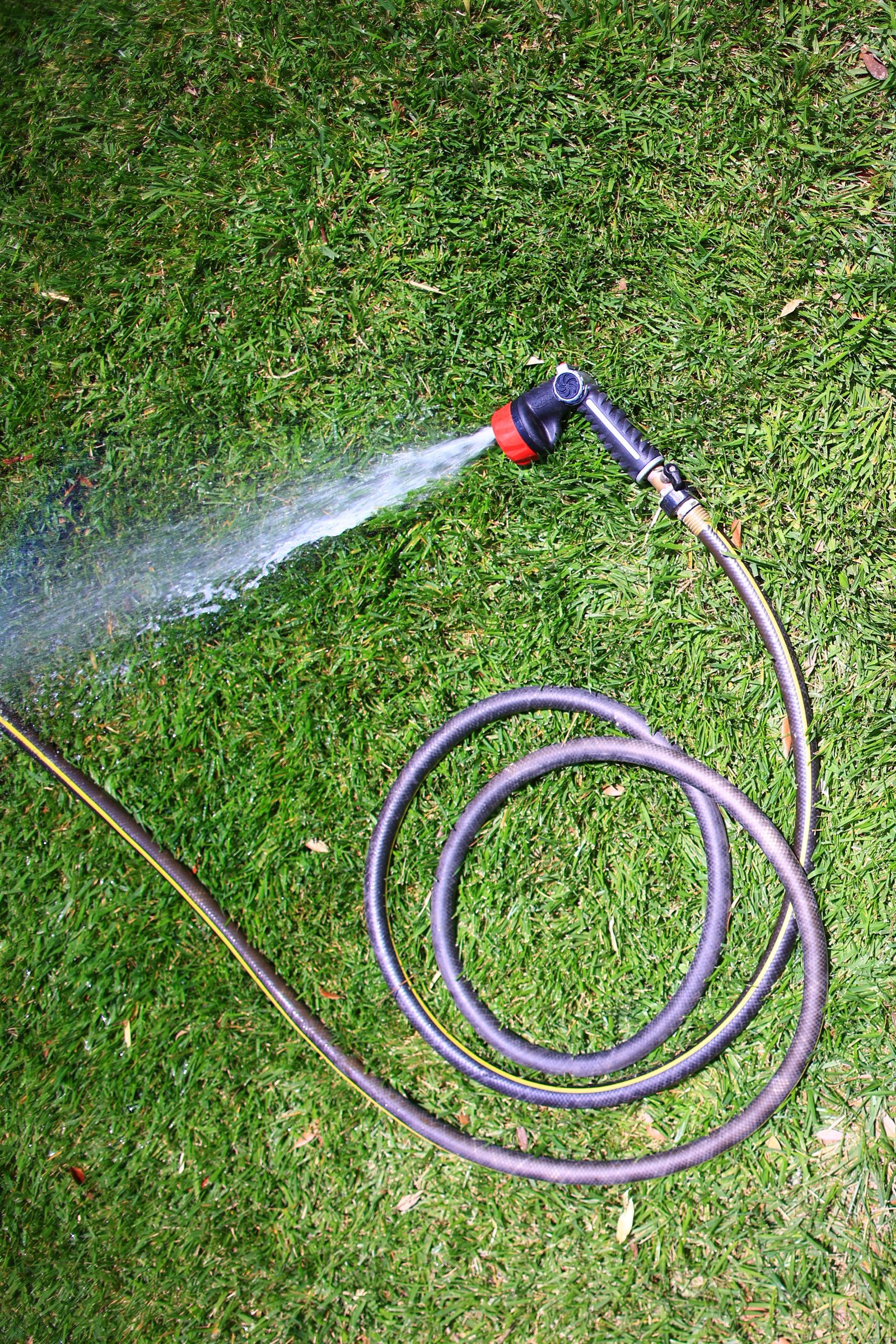
Use your own dedicated drinking-water hose and let the dock tap run for a minute before connecting it.
- Hoseyour own, kept clean and capped
- Standpipelet it run first
- Connectorshared fittings carry dirt
What to check before connecting
The source. Ask the marina or the barge operator about the water quality. The WHO guide says the operator should seek assurance on it.
The hose. Is it marked as a potable water hose, capped and stored in its own locker? If it has lain on the quay or been used for anything else, treat it as contaminated.
Flushing. Flush the hose before it is attached to the filling line.
The residual. Check free chlorine at the quay tap and again on board. See how water treatments compare.
The tank. If the tank has been contaminated or repaired, clean it before filling. See our tank guide.
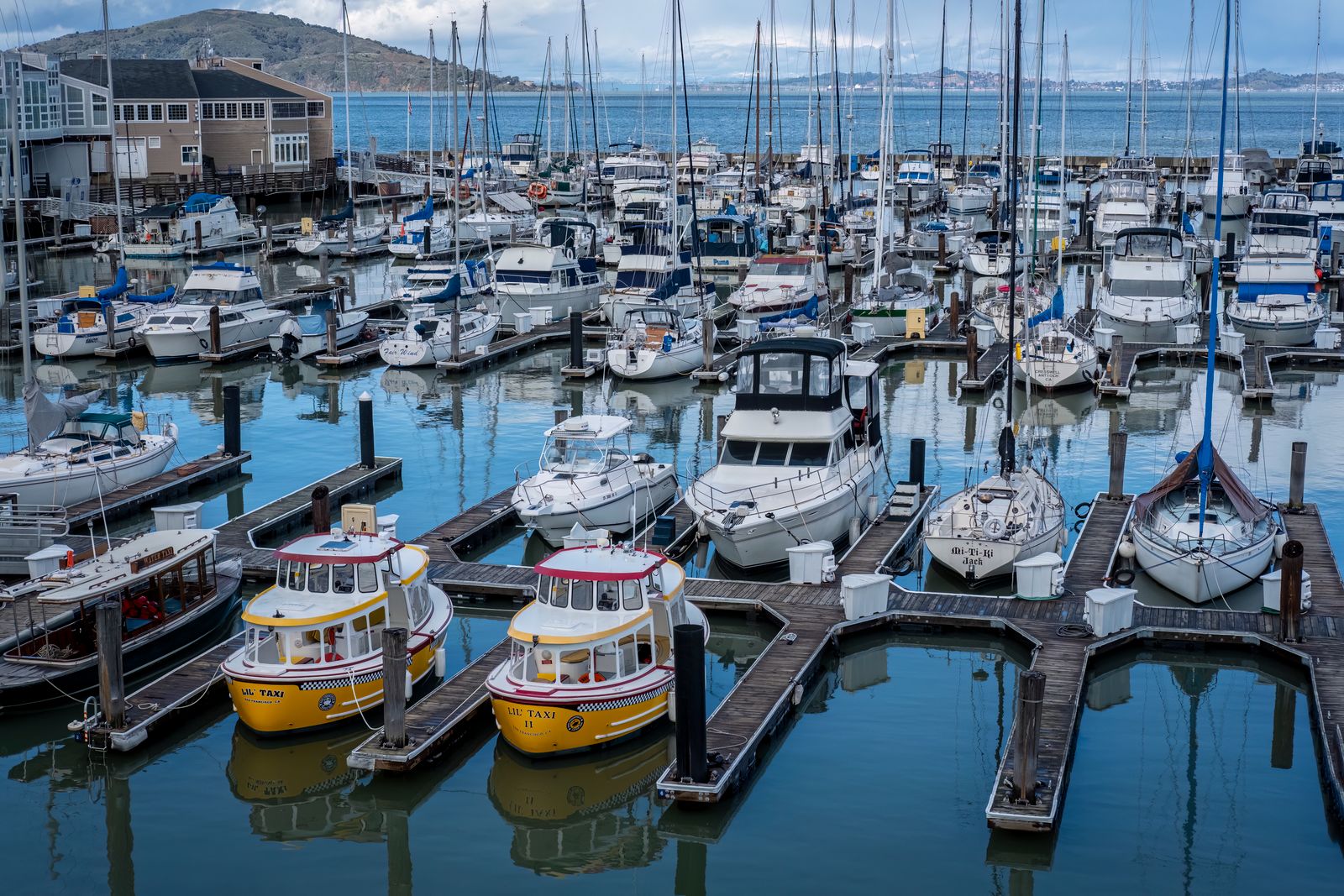

The tank is only as clean as the hose that fills it. It is the cheapest thing on board to look after, and the one people forget.
Francesco Colombo
CEO · AirBio Marine, a division of AirBio (Ekonore S.r.l.)
Book a water checkVerified reviews on Trustpilot
Reviews of La BioDisinfestazione | Ekonore Italia, the group AirBio Marine belongs to.
What we do
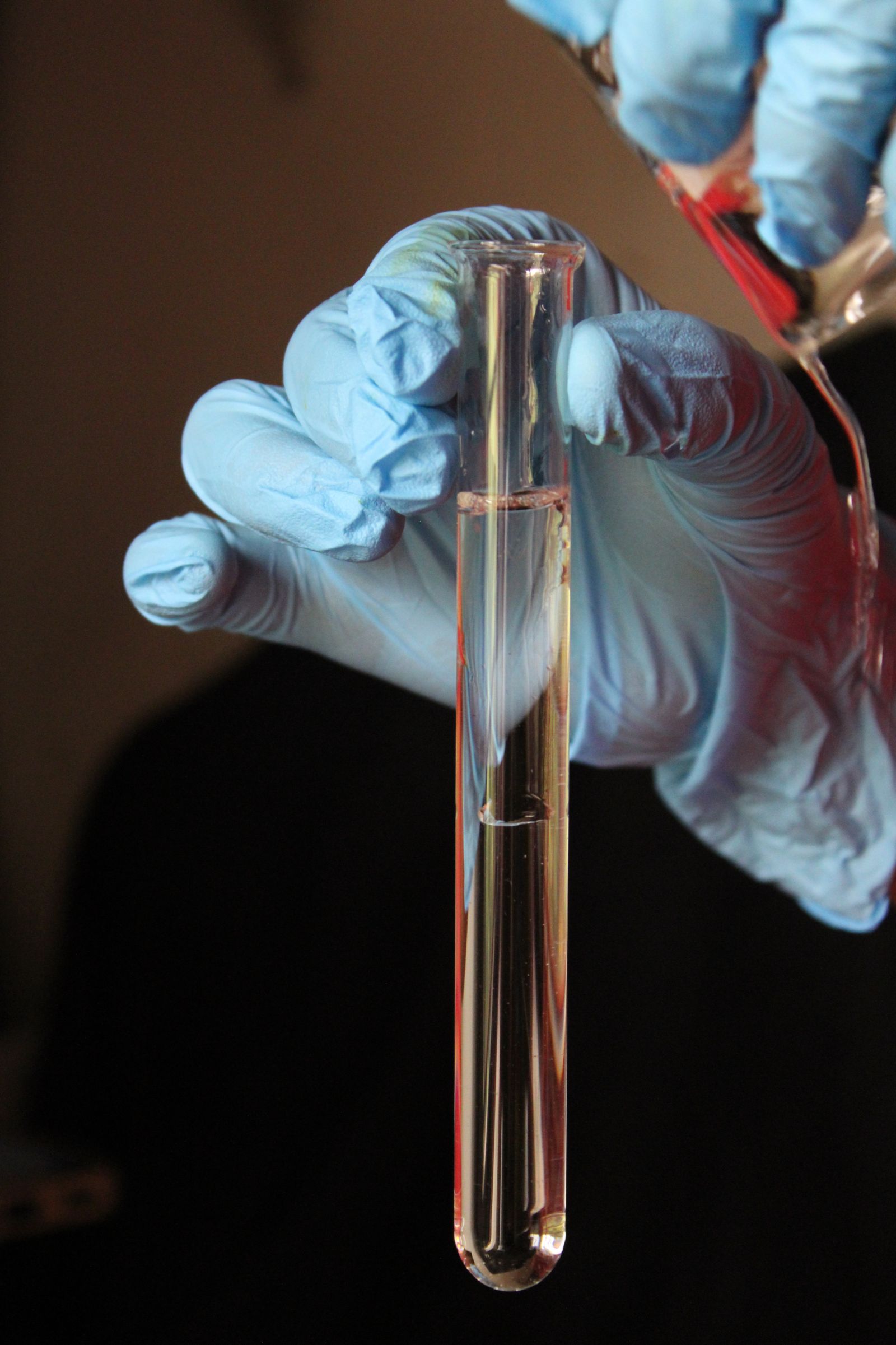
We can sample the quay water and the tank water, check the chlorine residual and temperature, and clean and sanitize the tank and lines if the results ask for it. You get the results in writing, to keep with the water log.
See our water sampling and fresh-water tank sanitization services.
How we check a port fill, step by step
Five steps, planned with the crew.
Ask
We note the source of the water and how it reaches the yacht.
Check
We look at the hose, its marking and how it is stored.
Measure
We check the chlorine residual at the quay and on board.
Sample
A sample goes to the laboratory.
Report
You receive readings, lab results and a written summary.
We test at the quay and again on board, so you know which side of the hose a problem comes from.
Francesco Colombo
CEO · AirBio Marine, a division of AirBio (Ekonore S.r.l.)
Speak to our teamA sample routine
A starting point built on the WHO ship guide. Adjust it to your yacht and your plan.
- Before the port: check the hose is marked, capped and clean, and ask the marina about the water.
- At the quay: flush the hose, then connect it. Check free chlorine at the tap.
- During the fill: make sure the water passes through the chlorination unit before the tank, as the guide says.
- After the fill: check the residual on board, then drain, dry, cap and stow the hose.
- Regularly: sample the water for a laboratory.
- Always: write down the port, date, readings and the person who did it.
Warning signs
- A hose that lies on the quay or is stowed uncapped.
- No chlorine reading before or after the fill.
- Water that smells or looks cloudy after a fill.
- No record of where the water came from.
See also cloudy yacht water and Ship Sanitation Certificates.
FAQ
What does the WHO ship guide say about port water?
Water should come from supplies that meet the WHO drinking-water guidelines or national standards, whichever are stricter, and the operator should seek assurance about the quality of the source.
How should a potable water hose be stored?
Marked as a potable water hose, with the ends capped, in its own locker, according to the WHO ship guide.
Should the hose be flushed?
Yes. The WHO guide says a hose must be flushed before it is attached to the filling line, and drained and dried after each use.
What chlorine level should I see at the tap?
At the point of delivery the WHO ship guide gives a minimum free chlorine residual of 0.2 mg/l.
What if the hose has been contaminated?
The guide says a contaminated hose should be thoroughly flushed and disinfected.
Is this a legal requirement?
It is a WHO guideline for ships. Your flag, class and charter terms may ask for more.
Sources
- World Health Organization — Guide to Ship Sanitation, 3rd edition (2011), water chapter: sources, water safety plan, hoses, residual, filling line.
Filling up in a new port?
We test the water at the quay and on board, and show you the results.
Speak to a marine technicianRelated on AirBio Marine
Ready to check your water?
Sampling at the quay and on board, and a written report.
Verified reviews on Trustpilot
Reviews of La BioDisinfestazione | Ekonore Italia, the group AirBio Marine belongs to.
Tell us about the yacht
Yacht length, marina, systems and what you have noticed on board. A technician reads the message and calls you back to plan the survey.
"*" indicates required fields
Where we work
Italian Riviera and Tuscany marinas and yards — Viareggio, La Spezia, Portofino, Genoa, Sanremo, Livorno, Argentario — and other Mediterranean ports on request.
Documented work
Every job ends with a technical report and photos for the yacht's records.