
Fan Coil Drain Trays on a Yacht: Small Part, Big Effect
A fan coil unit collects water in a small tray under the coil. If that water sits, it can become a home for bacteria and mould. Here is what MCA, the EPA and the CDC say.
Scientific review by Linda Abenaim, Biologist ·
The UK MCA note MGN 38 says standing water can build up in the sump of an air conditioning unit, and recommends washing the sump with a 50 ppm chlorinated solution at intervals not exceeding three months for the cooler units it describes. The US EPA says drain pans can become reservoirs for mould and bacteria, and asks for clean pans and unobstructed drain lines.
Why the tray matters
When a fan coil cools the air, water drips off the cold coil into a tray and runs away through a drain line. If the tray is level, the line is blocked or the water cannot escape, it sits. Warm, still water is where slime and mould start.
The tray is small and usually hidden behind a panel, so it is often missed in a clean. See our AC cleaning schedule for the wider routine.
What the sources say
The MCA note is written for ships. The EPA and CDC texts are written for buildings.
- MCA, MGN 38 (1998, ships): stagnant water can accumulate in the sump of an air conditioning unit. For cooler units, it recommends washing the sump with a super-chlorinated solution of 50 ppm at intervals not exceeding three months, and inspecting filters weekly, washing or replacing them as needed.
- US EPA (buildings): drain pans can become reservoirs for mould and bacteria. Keep drip pans clean and drain lines unobstructed, and make sure pans slope towards the drain.
- US EPA (buildings): wet or mouldy insulation inside ducts cannot be cleaned effectively and needs to be replaced.
- CDC (buildings): keep collection basins, condensate pans and cooling coils clean.
MGN 38 was written in 1998 about Legionella in ship air conditioning. Check with your class or flag whether it applies to the type of unit on your yacht.
What the sources point to
From MCA MGN 38 (ships), the US EPA and the CDC (buildings).
Not sure what is in your fan coil trays?
Tell us how many units you have. We will suggest how to check them.
The key points
Three things have to work together: the water has to run into the tray, out through the drain line and away. If any one fails, the tray fills and the water sits.
The sources we read do not give an interval for every type of unit. MGN 38 gives three months for the cooler units it describes. For others, follow the maker and inspect regularly.
 Biologist
Linda Abenaim, Biologist at Ekonore / AirBio
A drain tray is designed to empty, but a slight tilt, a blocked outlet or a sagging hose leaves a few millimetres of water behind. That shallow, warm water is enough for a slimy biofilm to form within weeks.
Linda Abenaim · Biologist, Ekonore / AirBio
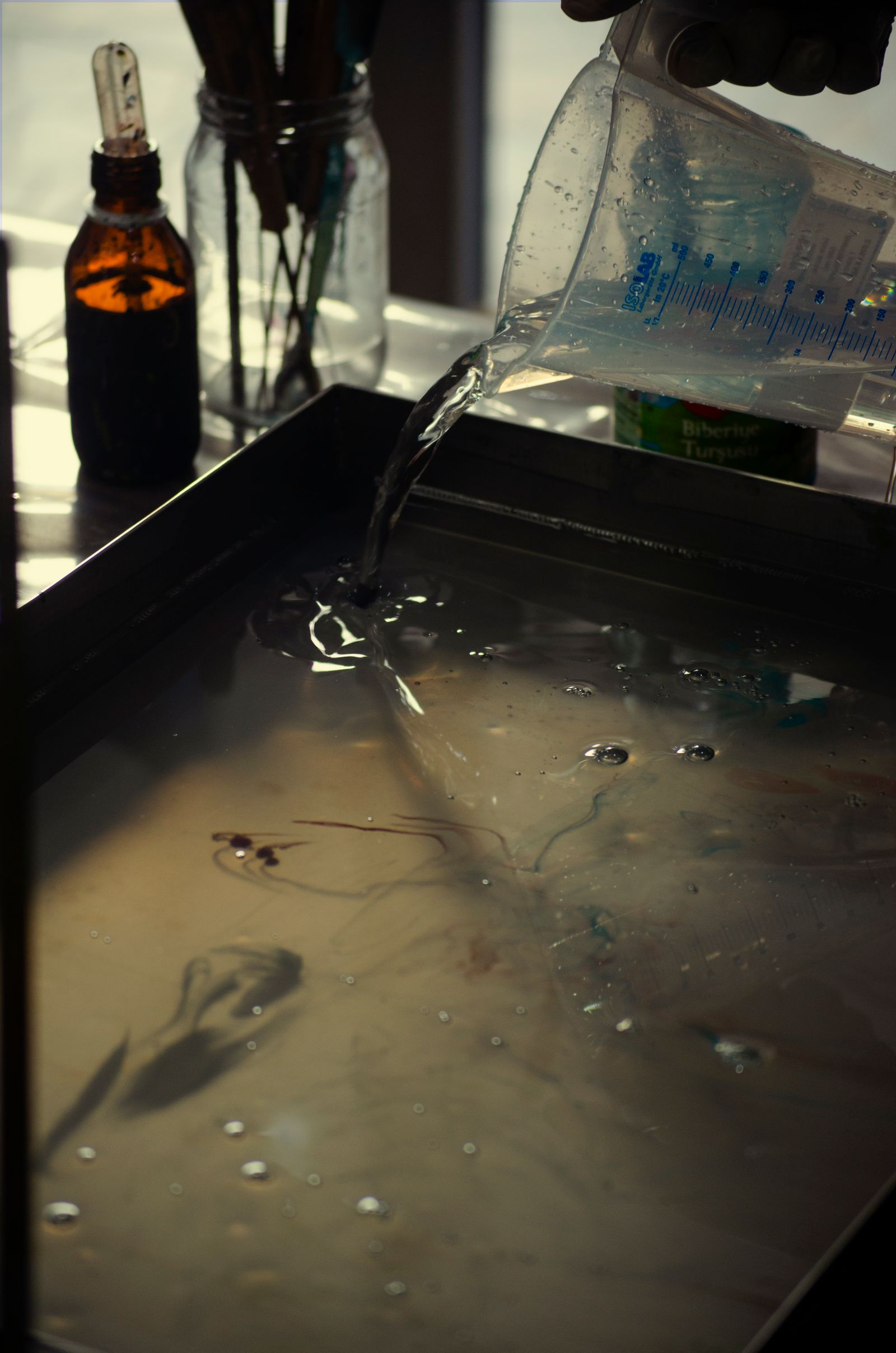
During a service, pour a little clean water into the tray. If it does not drain away within a minute, the outlet or the slope needs attention.
- Standing watera few millimetres is enough
- Slopethe tray must drain fully
- Outletblockages start small
What to check on a yacht
Standing water. Is there water left in the tray after the unit stops?
Slime or dark film. Look under the coil and along the edge of the tray.
The drain line. Is it clear and sloping away, or blocked or kinked?
The filter. MGN 38 recommends weekly inspection. See our dirty yacht HVAC guide.
Insulation. Wet or mouldy insulation needs replacing, according to the EPA.
Overflow. Stains or drips below the unit point to a blocked line.

The tray is the smallest part of the unit and the one that tells you most. If it is wet and slimy, the rest is worth a look.
Francesco Colombo
CEO · AirBio Marine, a division of AirBio (Ekonore S.r.l.)
Book a fan coil cleanVerified reviews on Trustpilot
Reviews of La BioDisinfestazione | Ekonore Italia, the group AirBio Marine belongs to.
What we do
We open the units, photograph the tray, coil and drain line, clean and sanitize them and clear the drain line. We report what we find and what we could not reach.
See our fan coil cleaning and air conditioning sanitization services.
How we clean a fan coil tray, step by step
Five steps, planned with the crew.
Open
We open the unit and photograph the tray and coil.
Protect
Cabin furnishings are covered.
Clean
Tray, coil and drain line are cleaned and cleared.
Sanitize
Surfaces are sanitized where the situation calls for it.
Report
You receive photos before and after and a written summary.
We photograph the tray before and after, so the crew can see exactly what was there.
Francesco Colombo
CEO · AirBio Marine, a division of AirBio (Ekonore S.r.l.)
Speak to our teamA sample routine
A starting point built on MGN 38 and the EPA guidance. Adjust it to the units on board.
- Weekly: inspect filters, washing or replacing them as needed (MGN 38).
- At planned intervals: open the units and check the tray, coil and drain line. MGN 38 gives three months for the cooler unit sumps it describes.
- If you find standing water or slime: clean the tray and clear the drain line.
- If insulation is wet or mouldy: replace it.
- Before the season: check every unit, including guest and crew cabins.
- Always: keep photos and dates on file.
Warning signs
- Water left in the tray when the unit is off.
- Dark film or slime under the coil.
- Drips or stains below the unit.
- A musty smell that returns after the filter is changed.
See also why does my yacht AC smell? and the mould guide.
FAQ
Why does a fan coil have a drain tray?
Water condenses on the cold coil and drips into the tray, which drains it away. If it cannot drain, the water sits.
How often should the tray be cleaned?
MGN 38 recommends washing the sump of the cooler units it describes at intervals not exceeding three months. For other units, follow the maker and inspect regularly.
Can standing water in the tray be a health issue?
The EPA says drain pans can become reservoirs for mould and bacteria, and MGN 38 is about preventing Legionella in ship air conditioning.
What should I check on the filter?
MGN 38 recommends weekly inspection, washing or replacing as necessary.
What if the insulation is wet?
The EPA says wet or mouldy insulation inside ducts cannot be cleaned effectively and needs to be replaced.
Do these sources apply to yachts?
MGN 38 is for ships and dates from 1998. The EPA and CDC texts are for buildings. Use them as a model and check with your class or flag.
Sources
- UK Maritime and Coastguard Agency — MGN 38 (M+F): Contamination of ships’ air conditioning by legionella (1998).
- US Environmental Protection Agency — Mold Course, Chapter 9: Prevention: drain pans (buildings).
- US Environmental Protection Agency — Mold Course, Chapter 2: Why and Where Mold Grows: pans, slope, wet insulation (buildings).
- US Environmental Protection Agency — A Brief Guide to Mold, Moisture and Your Home: keep drip pans clean and drain lines clear (homes).
- US CDC — Controlling Legionella in Other Devices (2025): condensate pans (buildings).
Cabin air smells musty?
We open the fan coil units, check the trays and show you the photos.
Speak to a marine technicianRelated on AirBio Marine
Ready to check your fan coils?
Inspection, cleaning and a photo report, at the berth.
Verified reviews on Trustpilot
Reviews of La BioDisinfestazione | Ekonore Italia, the group AirBio Marine belongs to.
Tell us about the yacht
Yacht length, marina, systems and what you have noticed on board. A technician reads the message and calls you back to plan the survey.
"*" indicates required fields
Where we work
Italian Riviera and Tuscany marinas and yards — Viareggio, La Spezia, Portofino, Genoa, Sanremo, Livorno, Argentario — and other Mediterranean ports on request.
Documented work
Every job ends with a technical report and photos for the yacht's records.