
Post-Refit Cleaning on a Yacht: Dust, Solvents and the Air System
A refit leaves dust in the ducts, filters and soft furnishings, and fumes in the air. Here is what US EPA and Department of Energy guidance says to do before people move back in.
The US EPA says levels of several organic chemicals average 2 to 5 times higher indoors than outdoors, and can stay high for hours after paint stripping. A US Department of Energy guide for construction says to keep HVAC off during dusty work, cover air handlers and registers, and replace the filter before anyone moves in.
What a refit leaves behind
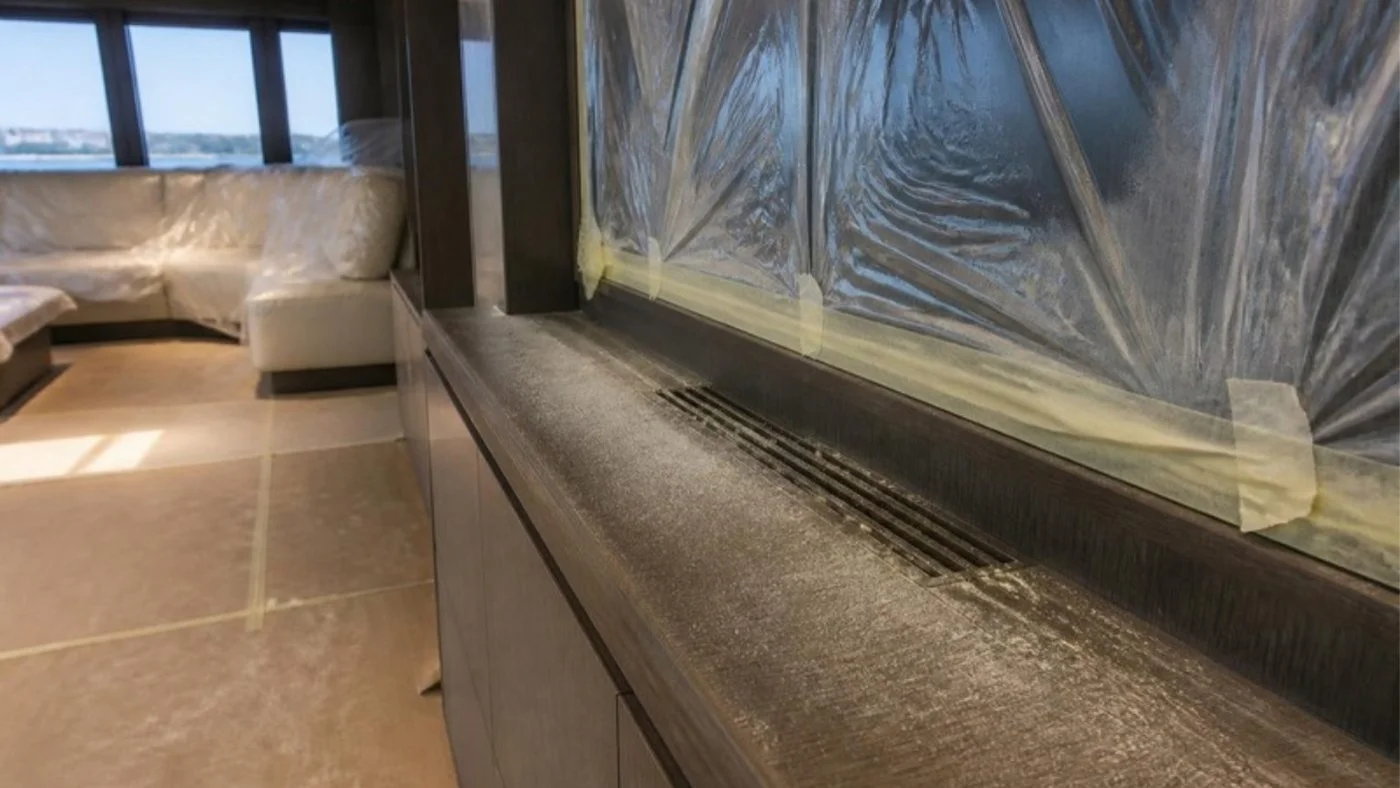
Refit work makes dust, and lots of it: sanding, cutting, drilling and fitting. It also uses paints, glues, sealants and solvents, which release vapours while they dry and for some time afterwards.
On a yacht, that dust and those vapours share the same small volume of air, and the air system moves them from room to room. If the air handler ran during the work, the dust is in the ducts and the filters as well. This is the moment to clean, not after the first charter. See our back-in-service checklist for the seasonal version.
What the guidance says
None of these sources is written for yachts. The EPA VOC page is for homes and buildings, and the Department of Energy guide is for residential construction. Use them as a model, and check any product label and yard instructions for your own vessel.
- Chemicals in the air (US EPA): paints, paint strippers, other solvents, glues, adhesives, building materials and furnishings can all give off volatile organic compounds. They keep being released after use, and high levels can last for hours after an activity such as paint stripping.
- Ventilation (US EPA): increase ventilation when using products that emit these compounds, and follow the label.
- Dusty work (US Department of Energy, Building America): do not run HVAC equipment while sanding, sawing or dry-walling.
- Protection (same source): cover air handlers and duct registers or openings with plastic until the work is finished.
- Before moving in (same source): replace the filter before occupancy, and clean the ducts with a vacuum and pneumatic brushing system made for the job.
- Ships (US OSHA): its shipyard guidance says paint and preservative removers can make toxic vapours and calls for enough ventilation to keep levels below the limit. It is written for shipyard workers.
What to do, and in what order
From US EPA and US Department of Energy guidance (land buildings).
Refit finished?
Tell us what was done. We will suggest how to clean and check the air system.
The key points
A sensible order follows the guidance above: protect during the work, clean when it ends, and ventilate before people return.
The trade body NADCA says an air system should be verified as clean and protected before it is allowed to run. Ask the yard how the air system was protected, and whether it ran during the work.
What to check on a yacht
Did the air handlers run? If they ran during sanding or cutting, assume dust is in the filters, coils and ducts. See our duct cleaning guide.
Were openings covered? Grilles, diffusers and return openings should have been covered until the end.
Filters. Replace them before the yacht is used, as the DOE guide says.
Soft furnishings. Dust settles in cushions, curtains and headlinings.
Smell. A strong chemical smell after the work means vapours are still being released. Ventilate, and follow the product labels.
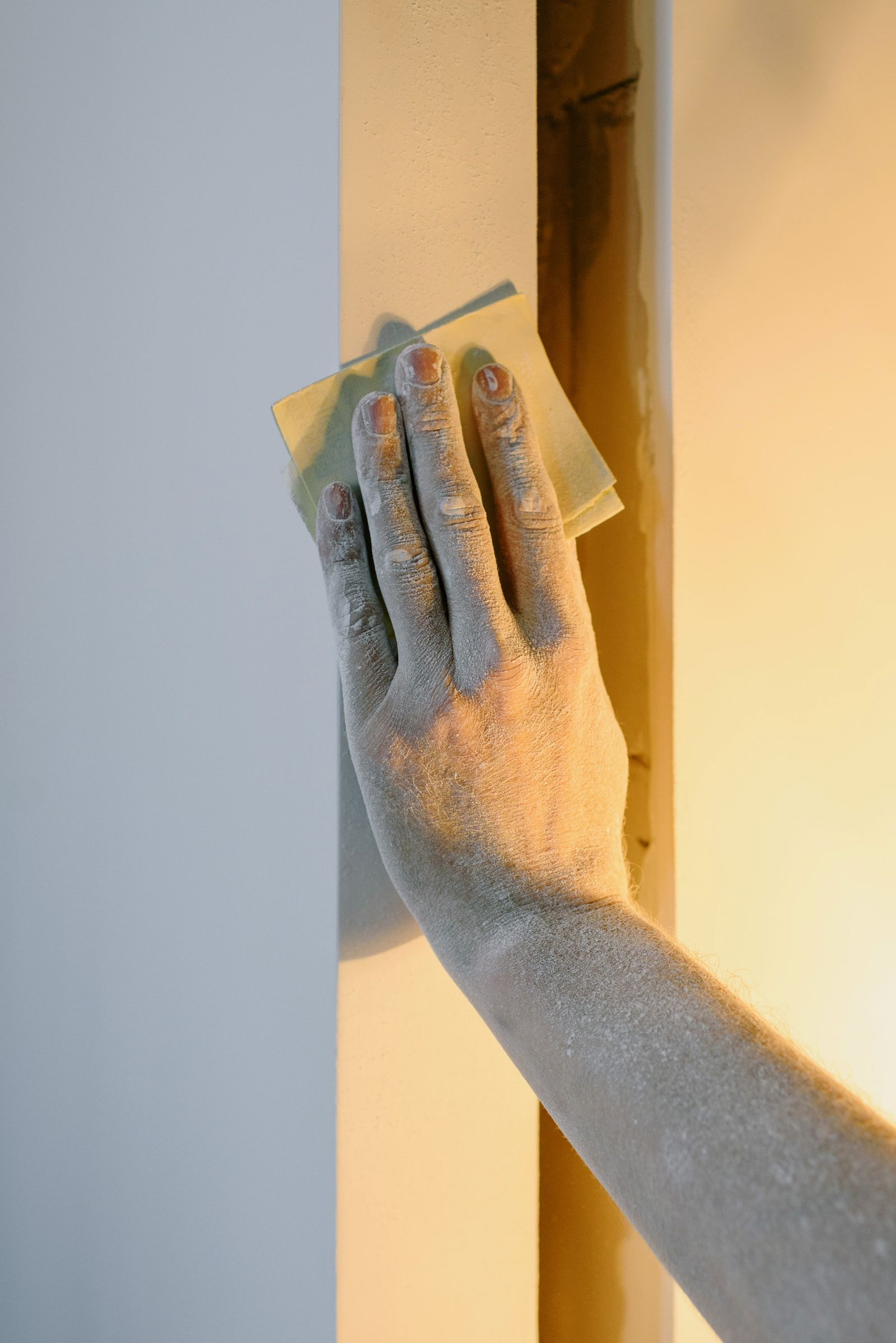

After a refit, a yacht looks clean long before the air is. We clean where the dust hides, not only where it shows.
Francesco Colombo
CEO · AirBio Marine, a division of AirBio (Ekonore S.r.l.)
Book a post-refit cleanVerified reviews on Trustpilot
Reviews of La BioDisinfestazione | Ekonore Italia, the group AirBio Marine belongs to.
What we do
We inspect the air system and the interior after the yard has finished, remove dust from surfaces, filters, grilles and accessible duct sections, and sanitize surfaces where the situation calls for it. We then report what we found and what we cleaned.
See our post-refit sanitization and HVAC air duct cleaning services.
How we clean a yacht after a refit, step by step
Five steps, planned with the crew and the yard.
Walk through
We inspect the interior and the air system with the crew.
Protect
Areas that are already finished are covered.
Clean
Dust is removed from surfaces, filters, grilles and accessible ducts.
Sanitize
Surfaces are sanitized where the situation calls for it.
Report
You receive photos before and after and a written summary.
We photograph the filters and grilles before and after, because that is where refit dust ends up.
Francesco Colombo
CEO · AirBio Marine, a division of AirBio (Ekonore S.r.l.)
Speak to our teamA sample routine
A starting point built on the EPA and Department of Energy guidance. Adjust it to the refit and agree it with the yard.
- Before the work: agree with the yard that air handlers stay off during dusty work and that openings are covered.
- During the work: ventilate when using solvent-based products, and follow the labels.
- When the work ends: clean the interior and the air system, and replace the filters.
- Before guests or crew return: ventilate well and check for any remaining chemical smell.
- After a few weeks: check the filters again, as fine dust often keeps coming.
- Always: keep photos and a written record.
Warning signs
- Fine dust on surfaces a day after cleaning.
- A strong chemical or paint smell that does not fade.
- Filters that are grey within days.
- Dust marks around grilles and diffusers.
See also dirty yacht HVAC and galley hood cleaning.
FAQ
What should be cleaned after a yacht refit?
Surfaces, soft furnishings, filters, grilles and, if the air handlers ran during the work, the ducts and coils. The guidance says to replace the filter before anyone moves in.
Should the air conditioning run during a refit?
A US Department of Energy guide for construction says not to run HVAC equipment while sanding, sawing or dry-walling, and to cover air handlers and registers.
How long do paint and solvent vapours last?
The US EPA says elevated levels can persist long after the activity, and can stay high for hours after work such as paint stripping. Follow the product label and ventilate.
Do these guides apply to yachts?
No. The EPA and DOE pages are written for homes and buildings. Use them as a model and follow the yard’s and the product makers’ instructions.
Do I need to clean the ducts?
Not always. Inspect first. See our guide on when duct cleaning is worth doing.
Can you clean while the yard is still working?
It is better to wait until dusty work is finished, or the dust returns.
Sources
- US Environmental Protection Agency — Volatile Organic Compounds’ Impact on Indoor Air Quality: sources, indoor levels, ventilation (homes and buildings).
- US Department of Energy, Building America Solution Center — Removing Construction Debris from Ducts: HVAC off, covering openings, filters (residential construction).
- NADCA — Overview of the Cleaning Process: verified clean and protected before use (buildings).
- US Occupational Safety and Health Administration — Shipyard Employment eTool, Toxic Cleaning Solvents: vapours from paint and preservative removers (shipyard workers).
Refit finished and the yacht still feels dusty?
We inspect the interior and air system, clean where the dust hides, and show you the photos.
Speak to a marine technicianRelated on AirBio Marine
Ready to clean after your refit?
Inspection, cleaning and a photo report, at the berth.
Verified reviews on Trustpilot
Reviews of La BioDisinfestazione | Ekonore Italia, the group AirBio Marine belongs to.
Tell us about the yacht
Yacht length, marina, systems and what you have noticed on board. A technician reads the message and calls you back to plan the survey.
"*" indicates required fields
Where we work
Italian Riviera and Tuscany marinas and yards — Viareggio, La Spezia, Portofino, Genoa, Sanremo, Livorno, Argentario — and other Mediterranean ports on request.
Documented work
Every job ends with a technical report and photos for the yacht's records.