

Which Rules Apply to a Yacht’s Hygiene? Law, Guideline and Good Practice
There is no single rulebook for yacht hygiene. Some things are law, some are guidelines, and some are good practice. Here is how to tell them apart.
Hygiene on a yacht is covered by a mix of binding rules and guidance, and which ones apply depends on the yacht’s size, use and flag. The International Health Regulations and the Maritime Labour Convention are law where they apply. The WHO Guide to Ship Sanitation and the EU SHIPSAN manual are guidance.
Why it is confusing
People often ask “what does the law say about yacht hygiene?” The honest answer is: it depends. A private yacht used only for pleasure is treated very differently from a commercial charter yacht with a paid crew, and both differ from a passenger ship.
This guide is a map, not legal advice. It shows which documents are law, which are guidance, and where each stops applying. For a specific vessel, ask your flag administration, class society or port health authority.
The rules in plain words
- International Health Regulations (2005) — law. A binding international treaty under the WHO. It defines a “ship” as a vessel on an international voyage. Ship Sanitation Control Exemption and Control Certificates are valid for a maximum of six months, which can be extended by one month if inspection cannot be completed at the port. The text we read does not mention yachts or pleasure craft, so whether it reaches a given yacht should be checked with the flag or port health authority.
- WHO Guide to Ship Sanitation (2011) — guideline. It is a basis for national approaches, not a regulation. It names naval ships, cargo ships, ferries and cruise ships, and does not mention yachts. It recommends a water safety plan and drinking water meeting WHO or national standards.
- Maritime Labour Convention 2006 — law where it applies. It applies through the flag state to ships ordinarily engaged in commercial activities. Under the ILO’s FAQ, yachts are covered unless they are traditional-build or not ordinarily engaged in commercial activities. It requires safe food and drinking water, galley sanitation and accommodation with proper ventilation and sanitation.
- UK MCA Large Commercial Yacht Code (LY3) — flag rule. It applies to yachts of 24 metres or more in commercial use for sport or pleasure, with a maximum of 12 passengers. It refers to MLC crew accommodation standards.
- EU Drinking Water Directive 2020/2184 — law, through national rules. Article 3(2) applies only certain articles to maritime vessels that desalinate water, carry passengers and act as water suppliers. We found no explicit mention of ordinary yachts.
- EU SHIPSAN manual (2011) — good practice. It covers passenger ships with more than 12 passengers, and separates mandatory requirements based on EU law from recommended standards. Pleasure yachts are not covered.
Where each document stands
Based on the texts of the documents named, read in September 2026.
Not sure which rules apply to your yacht?
Tell us about the vessel. We will help you organise the practical side and the records.
At a glance
One way to remember it is in three levels. The higher the level, the more likely someone can require it of you.
A private, non-commercial yacht generally sits outside most of the binding rules above. A commercial yacht with a crew sits inside more of them. In both cases, the WHO guide is a sensible standard to follow, even where it is not required.
What to ask on your yacht
Flag and class. Which rules does the yacht’s flag administration apply, and does the class society ask for hygiene records?
Commercial or private? Commercial use usually brings the MLC and, for larger yachts, codes such as LY3.
Voyages. The IHR applies to ships on international voyages. Ask the port health authority what they expect of your yacht.
Insurance and charter. Insurers and charter managers often ask for hygiene records even where the law does not.
Own plan. A written water plan is good practice everywhere. See our water safety plan guide.

We do not tell a captain what the law requires. We tell them what we found, and we write it down in a form that a surveyor, an insurer or a charter manager can read.
Francesco Colombo
CEO · AirBio Marine, a division of AirBio (Ekonore S.r.l.)
Book an onboard surveyVerified reviews on Trustpilot
What we do
We are not lawyers or inspectors and we do not certify a yacht. We do the practical work that the rules and guides describe: cleaning, sanitizing, sampling and documenting. Our report can support the yacht’s own plan, class file or inspection.
See our method and about page for our certifications and how we work.
How we help a yacht keep its hygiene file in order
Five steps, done at the berth.
Survey
We look at water, air and galley systems and list what needs work.
Clean and sanitize
We do the practical work, with the crew’s schedule in mind.
Sample
Where relevant we take water samples for a laboratory.
Document
Every step and result is recorded with photos.
Hand over
The report goes into the yacht’s file for class, insurer or charter manager.
Good records are the most useful thing we leave on board, after the clean system itself.
Francesco Colombo
CEO · AirBio Marine, a division of AirBio (Ekonore S.r.l.)
Speak to our teamA sample routine
A starting point. Adjust it to the vessel and the rules that apply.
- Once: ask flag, class and insurer what hygiene records they expect.
- Once: write a simple water safety plan.
- Every fill: check the chlorine level of incoming water.
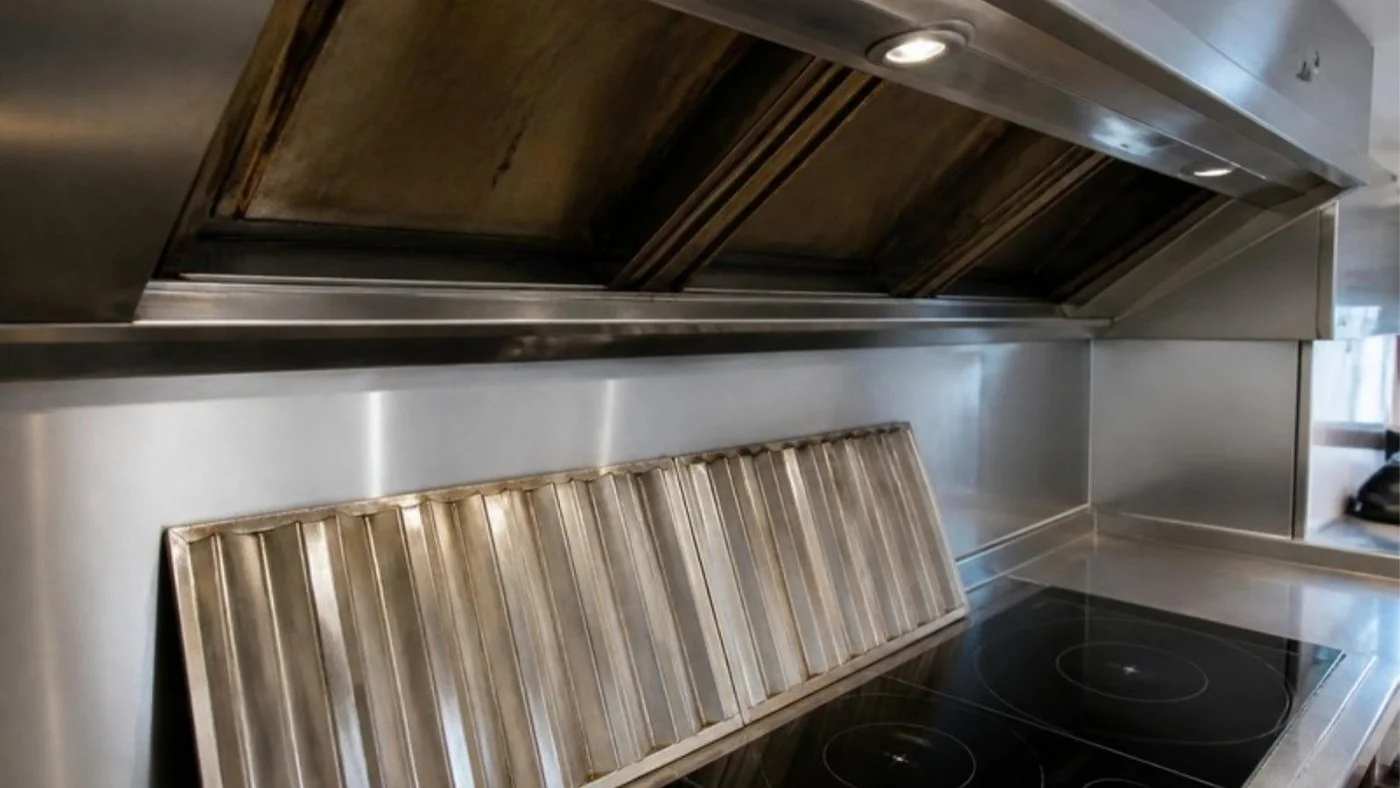
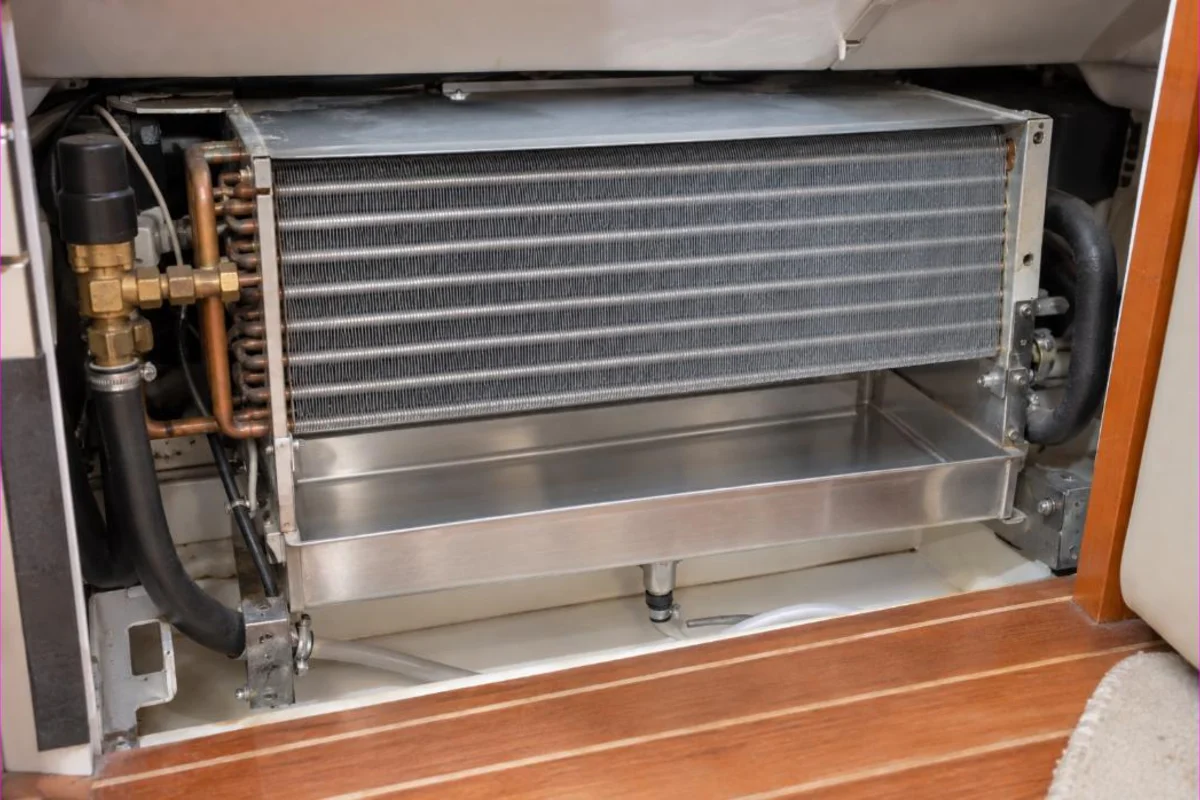
- At planned intervals: clean tanks, air units and galley extraction, and keep the reports.
- Before charter season: check the file is complete.
Warning signs
- No written record of the last tank clean, water test or duct clean.
- A charter or insurer asking for documents you do not have.
- A new flag, a change from private to commercial use, or a new port state.
- Rules quoted to you without a named source.
See our back-in-service checklist for a seasonal routine.
FAQ
Does the law require hygiene checks on a private yacht?
In the sources we read, no clear binding hygiene rule reaches a private, non-commercial yacht. Check with your flag administration.
Do the International Health Regulations apply to yachts?
They apply to ships on international voyages. The text we read does not mention yachts, so ask the flag or port health authority.
Is the WHO Guide to Ship Sanitation mandatory?
No. It is a guideline that serves as a basis for national approaches. It does not mention yachts, but many yacht managers follow it as good practice.
Does the MLC apply to crew on yachts?
The ILO says yachts are covered unless they are traditional-build or not ordinarily engaged in commercial activities.
Does the EU drinking water directive cover yacht tanks?
Article 3(2) applies certain articles to passenger-carrying vessels that desalinate water and act as water suppliers. We found no explicit mention of ordinary yachts.
Do you certify yachts?
No. We clean, sanitize, sample and document. Certification is issued by the competent authority or class society.
Sources
- World Health Organization — International Health Regulations (2005), as amended: definition of ship, Article 39 certificates.
- World Health Organization — Guide to Ship Sanitation (3rd edition, 2011): status and scope.
- International Labour Organization — Maritime Labour Convention 2006: frequently asked questions (2012): scope, yachts, food and catering, accommodation.
- UK Maritime and Coastguard Agency — Large Commercial Yacht Code (LY3) (2012).
- European Union — Directive (EU) 2020/2184 on the quality of water intended for human consumption, Article 3(2).
- EU SHIPSAN — European Manual for Hygiene Standards and Communicable Diseases Surveillance on Passenger Ships (2011).
Need your hygiene file in order?
We do the practical work and give you a clear report for class, insurer or charter manager.
Speak to a marine technicianRelated on AirBio Marine
Ready to get the file in order?
Cleaning, sampling and a written report, at the berth.
Verified reviews on Trustpilot
Tell us about the yacht
Yacht length, marina, systems and what you have noticed on board. A technician reads the message and calls you back to plan the survey.
"*" indicates required fields
Where we work
Italian Riviera and Tuscany marinas and yards — Viareggio, La Spezia, Portofino, Genoa, Sanremo, Livorno, Argentario — and other Mediterranean ports on request.
Documented work
Every job ends with a technical report and photos for the yacht's records.