
News & Insights
Practical, source-based guidance on yacht air, water and galley hygiene — written for captains, chief engineers and yacht managers. Clear answers, real standards, no jargon.
 Air quality
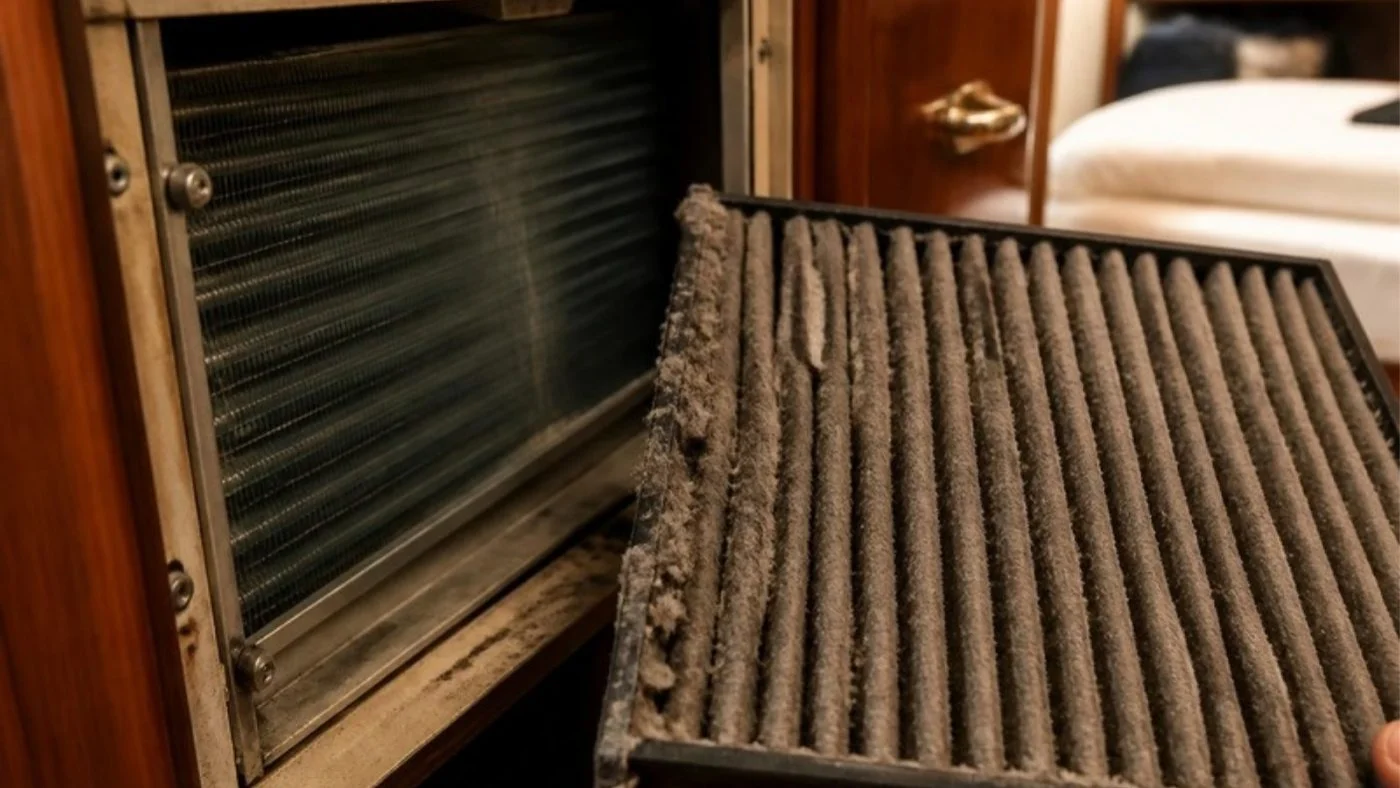
Yacht air filters: MERV, HEPA and what your air handler can use
What MERV and HEPA mean, what EPA says, and why to ask the maker first.
Read the guide → Water damage
After a burst pipe or a flood on board: what to dry, clean and throw away
CDC and EPA advice for homes, and how we read it for a yacht interior.
Read the guide →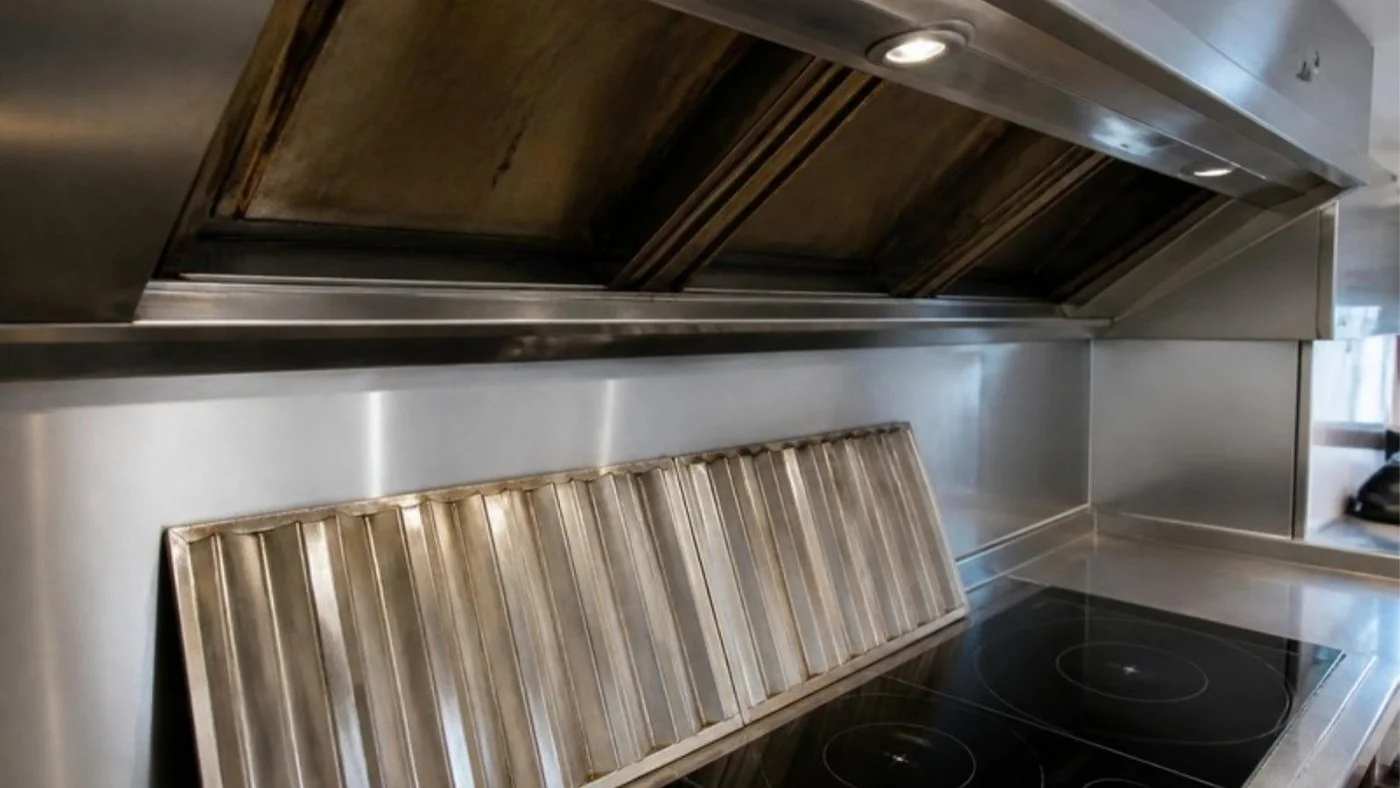 Food safety
HACCP on a yacht: food safety from the galley to the table
The seven HACCP principles from the WHO ship guide, in plain words.
Read the guide →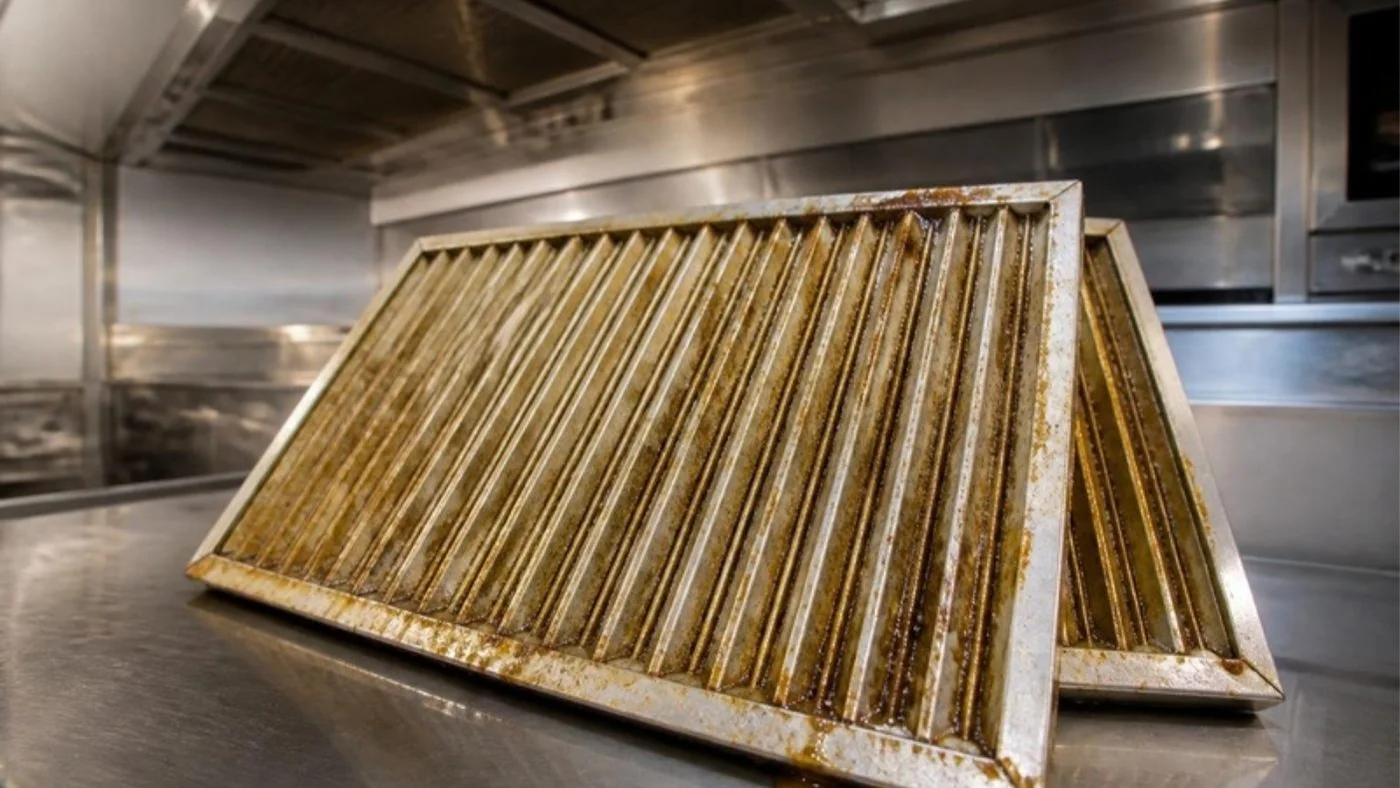 Food safety
Fridges, cold rooms and the provisions store: keeping them clean and cold
What the WHO ship guide says about food storage, temperature checks and keeping raw and ready-to-eat food apart.
Read the guide →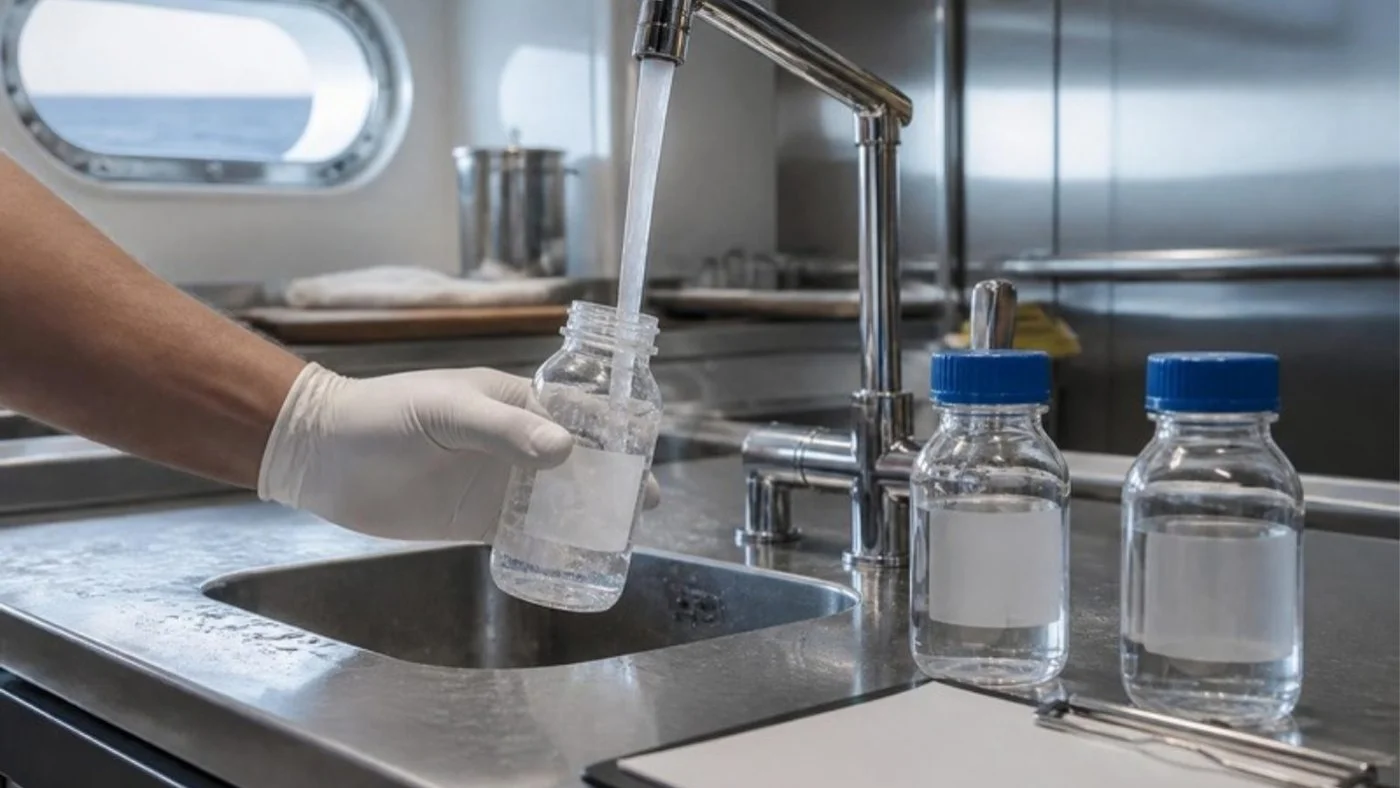 Drinking water
What each yacht water test result means, in plain words
E. coli, plate counts and Pseudomonas: what the lab lines mean and what to do next.
Read the guide →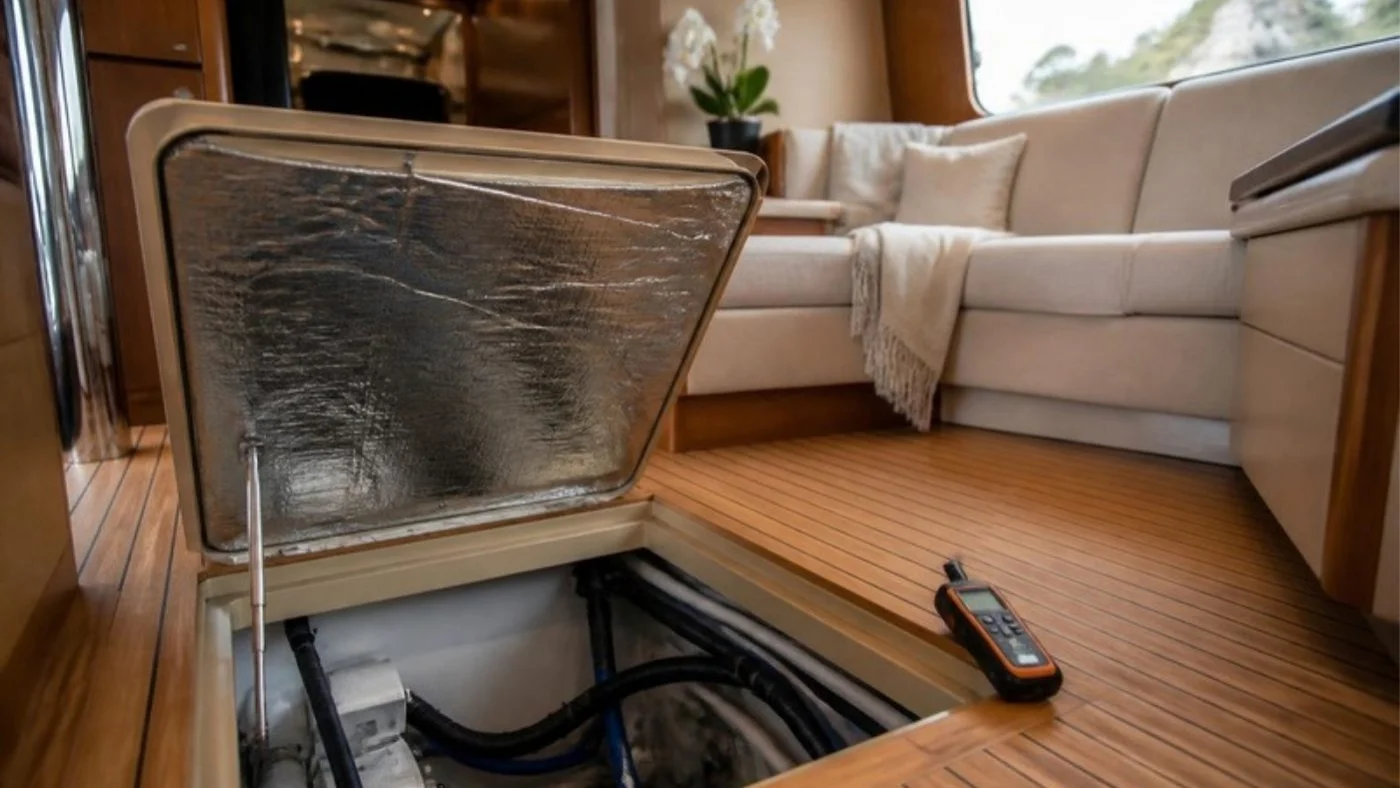 Galley
Pests on Yachts: Rodents, Cockroaches and Stored Food
How pests get on board and what the WHO guide for ships asks you to do.
Read the guide → Air and mould
Condensation on a Yacht: Why Cabins Sweat and How to Stop It
The EPA humidity target and four ways to cut moisture, with a checklist for cabins.
Read the guide → Air and mould
Fan Coil Drain Trays on a Yacht: Small Part, Big Effect
Standing water in the tray: what MCA, the EPA and CDC say about cleaning and drain lines.
Read the guide →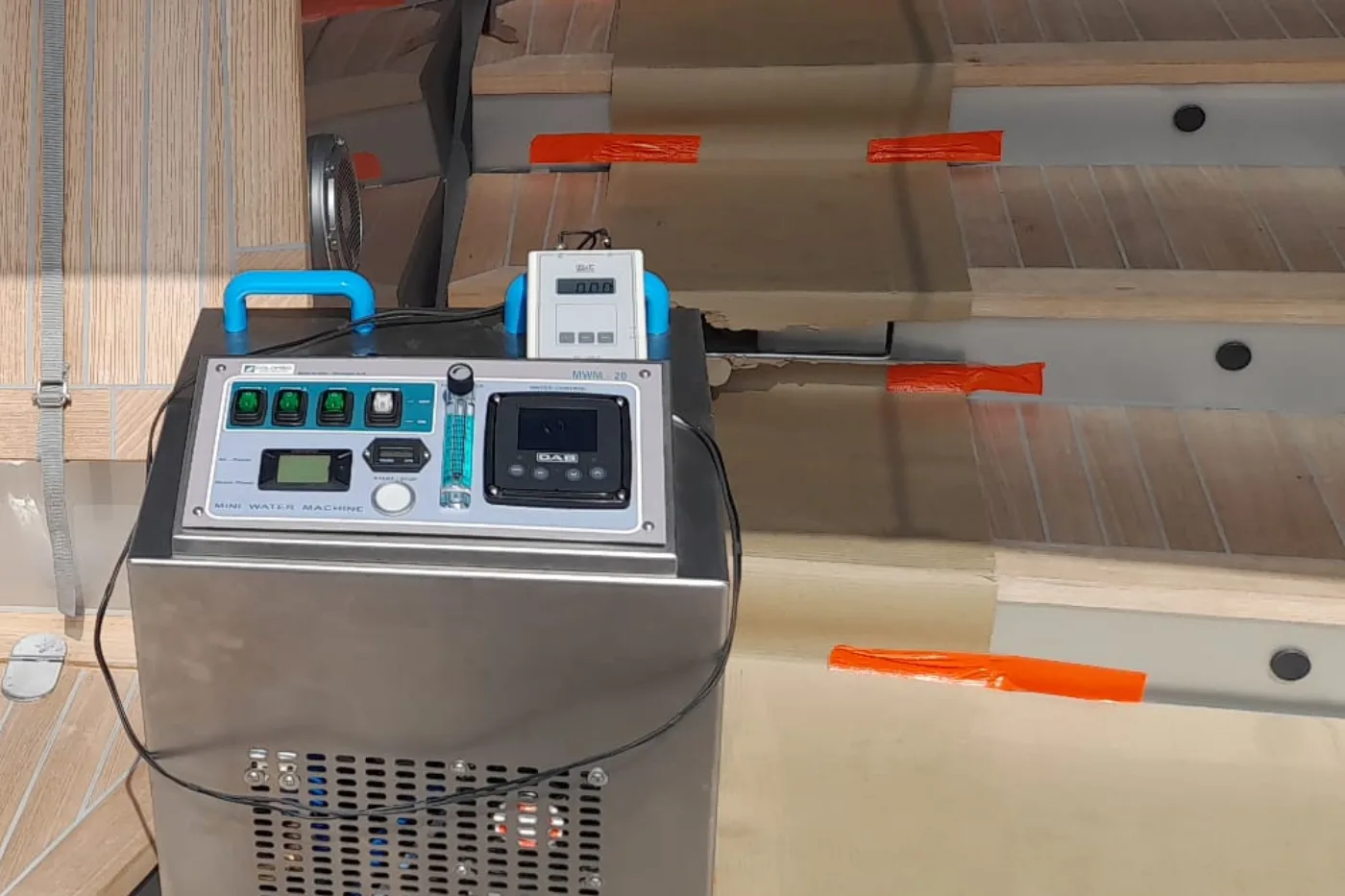 Water
WaterYacht Watermakers and Reverse Osmosis: Is the Water You Make Safe to Drink?
What the WHO ship guide says about treating made water before it reaches the tank.
Read the guide →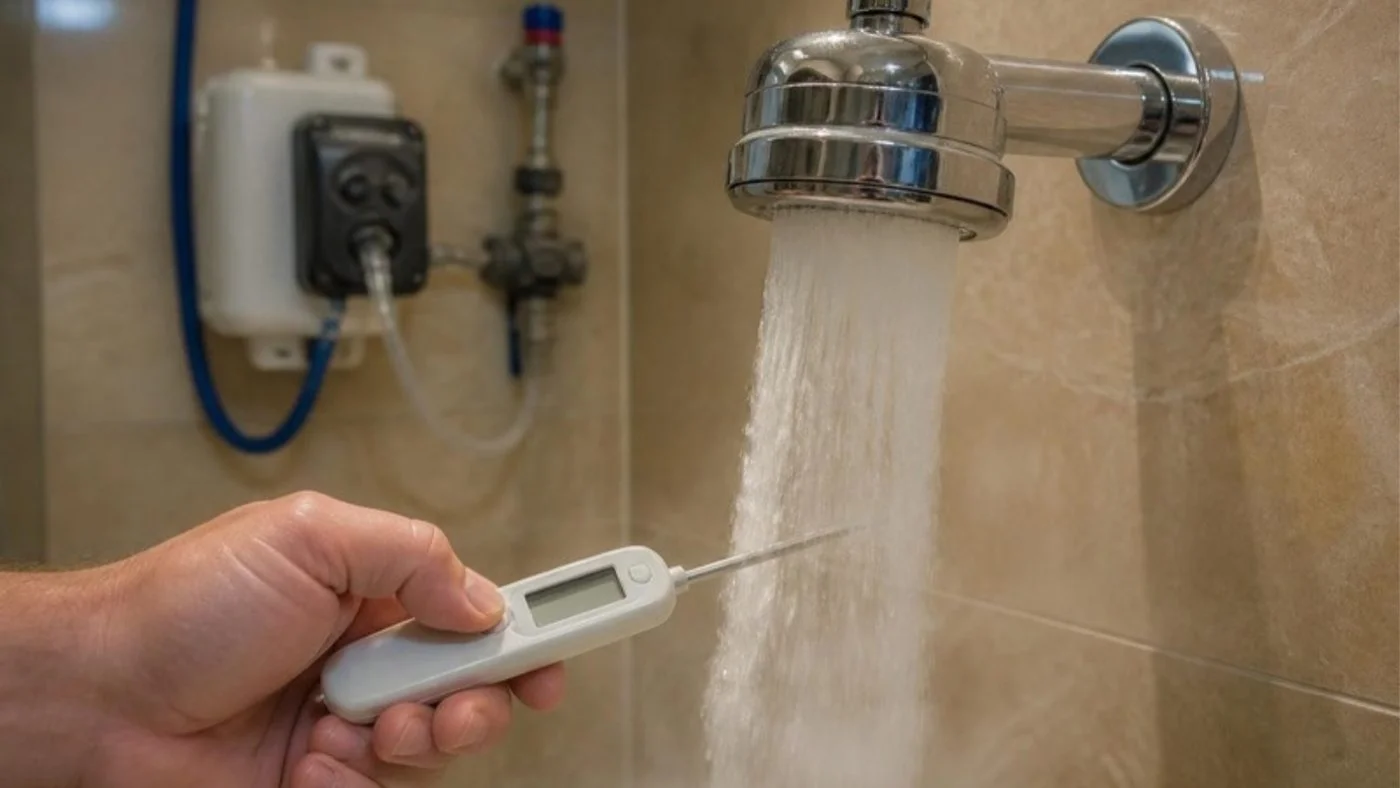 Water
WaterIce Makers, Coffee Machines and Drink Dispensers: The Forgotten Water Points
What the WHO ship guide and CDC say about ice and the small water points, with a checklist.
Read the guide → Water
WaterBiofilm in Yacht Pipes: What It Is and Why It Comes Back
Why a clean water test can fail again a few weeks later, from CDC, WHO and a National Academies report.
Read the guide → Water
WaterFilling Yacht Water in a Foreign Port: What to Check Before You Connect
Source, hose, flushing and chlorine residual, from the WHO guide for ships.
Read the guide →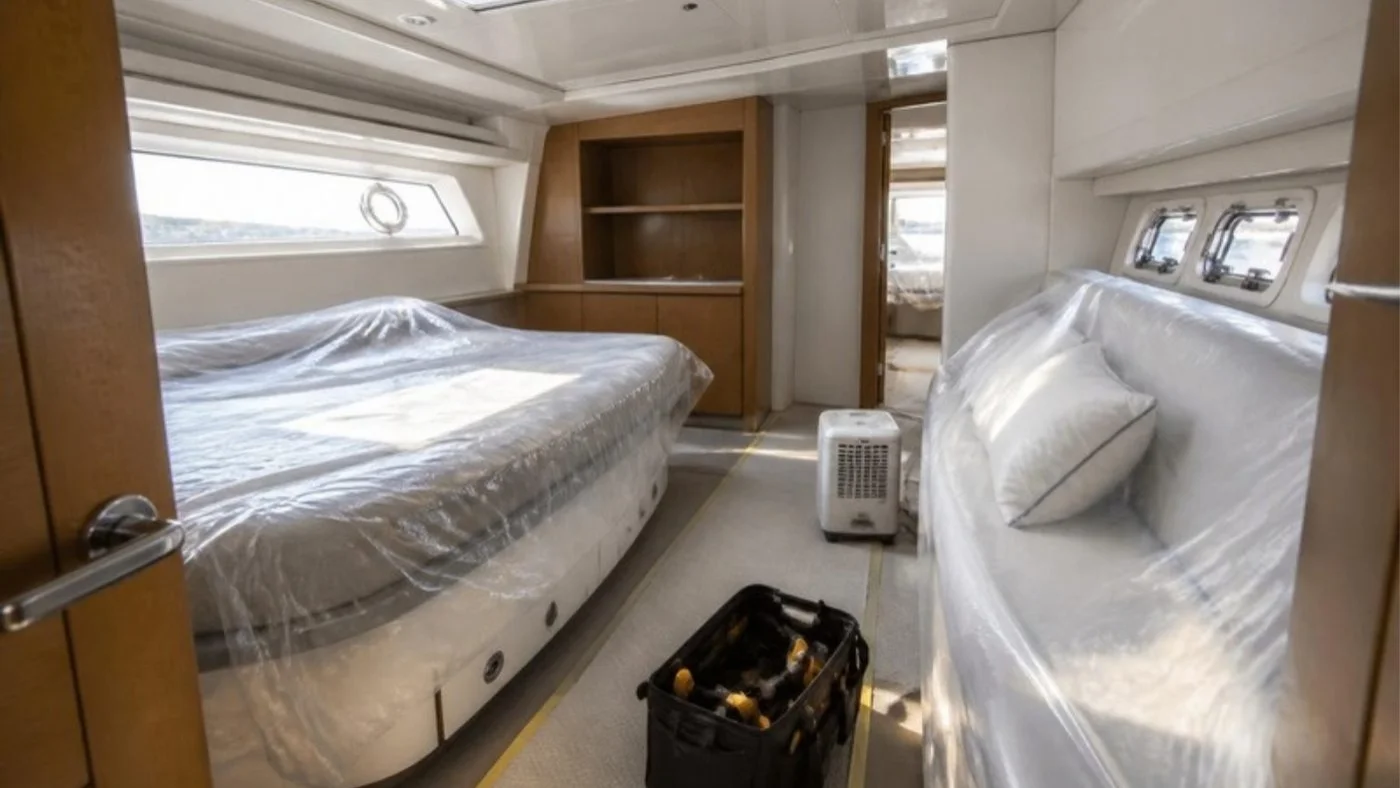 Guides
A Captain’s Yearly Hygiene Calendar for a Yacht
One page for the year, with the intervals that come from sources marked as such.
Read the guide → After events
After a Stomach Bug on Board: Cleaning, Disinfection and Where Ozone Fits
The order of work from CDC, the Italian ISS and the US EPA, and the limits of ozone.
Read the guide → After events
Post-Refit Cleaning on a Yacht: Dust, Solvents and the Air System
What EPA and Department of Energy guidance says to do before people move back in.
Read the guide →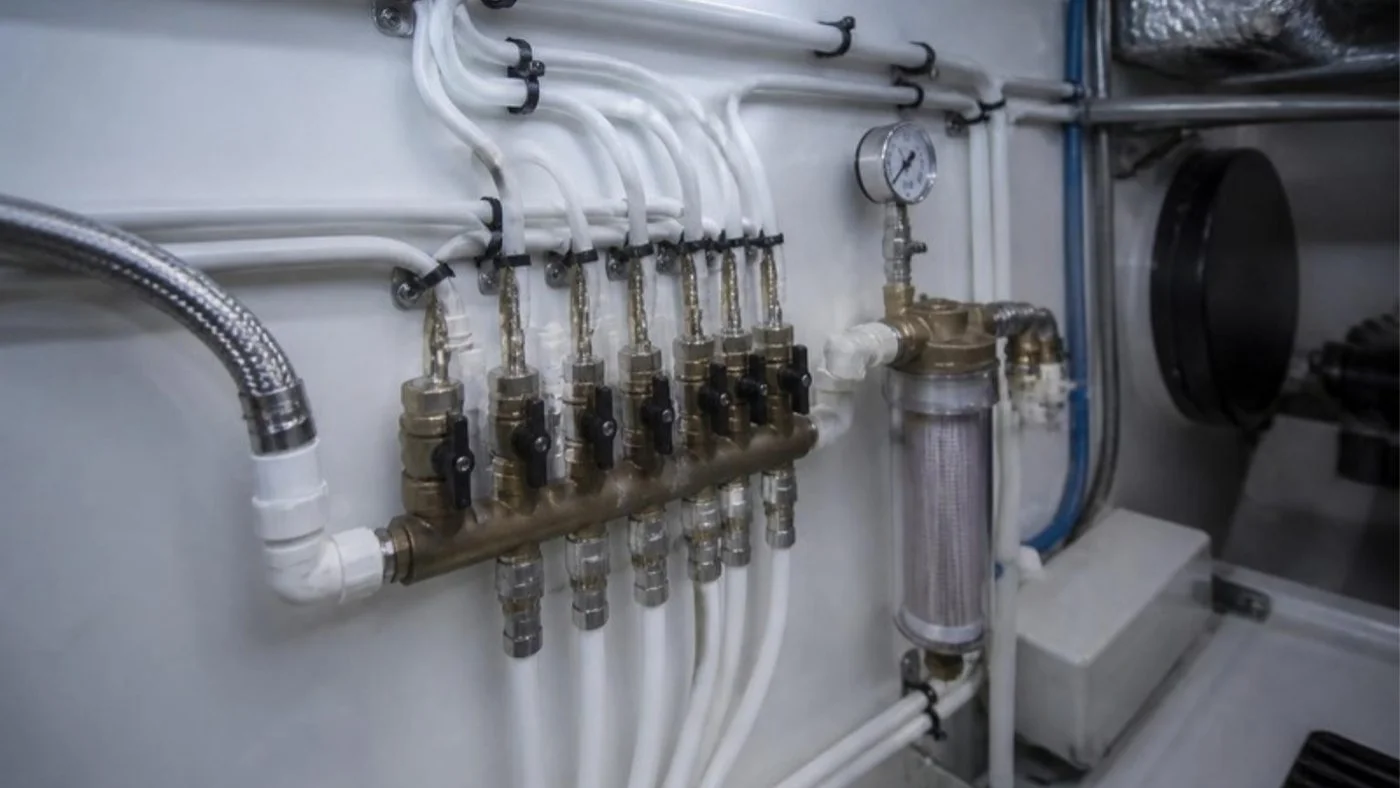 Water
WaterChlorine, Ozone, UV or Silver: How Yacht Water Treatments Compare
Which treatment leaves protection in the pipes, and which does not, from WHO, EPA and a National Academies report.
Read the guide →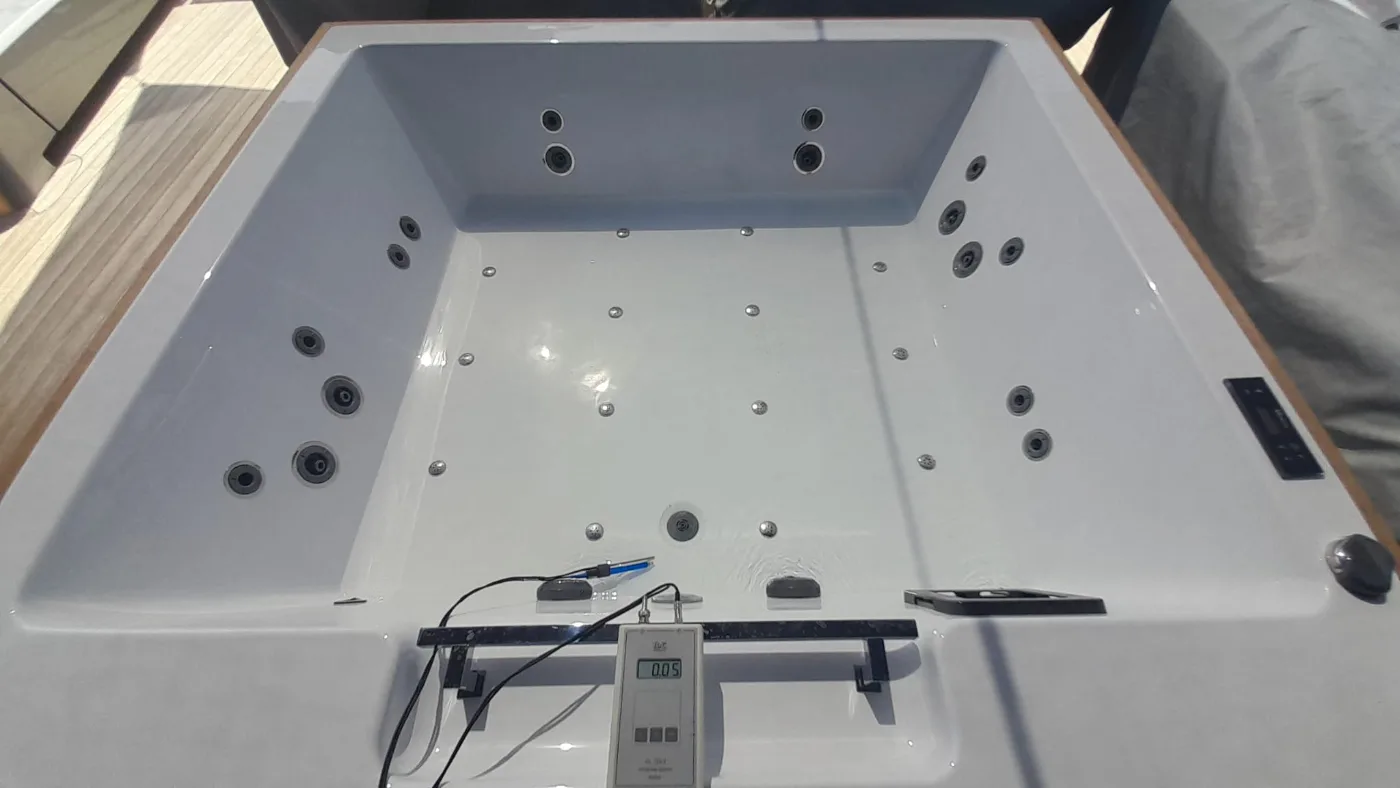 Legionella
Yacht Jacuzzis, Spa Pools and Showers: Why Mist Matters
The WHO and CDC figures for spa disinfectant, pH and temperature, and a routine for showers.
Read the guide →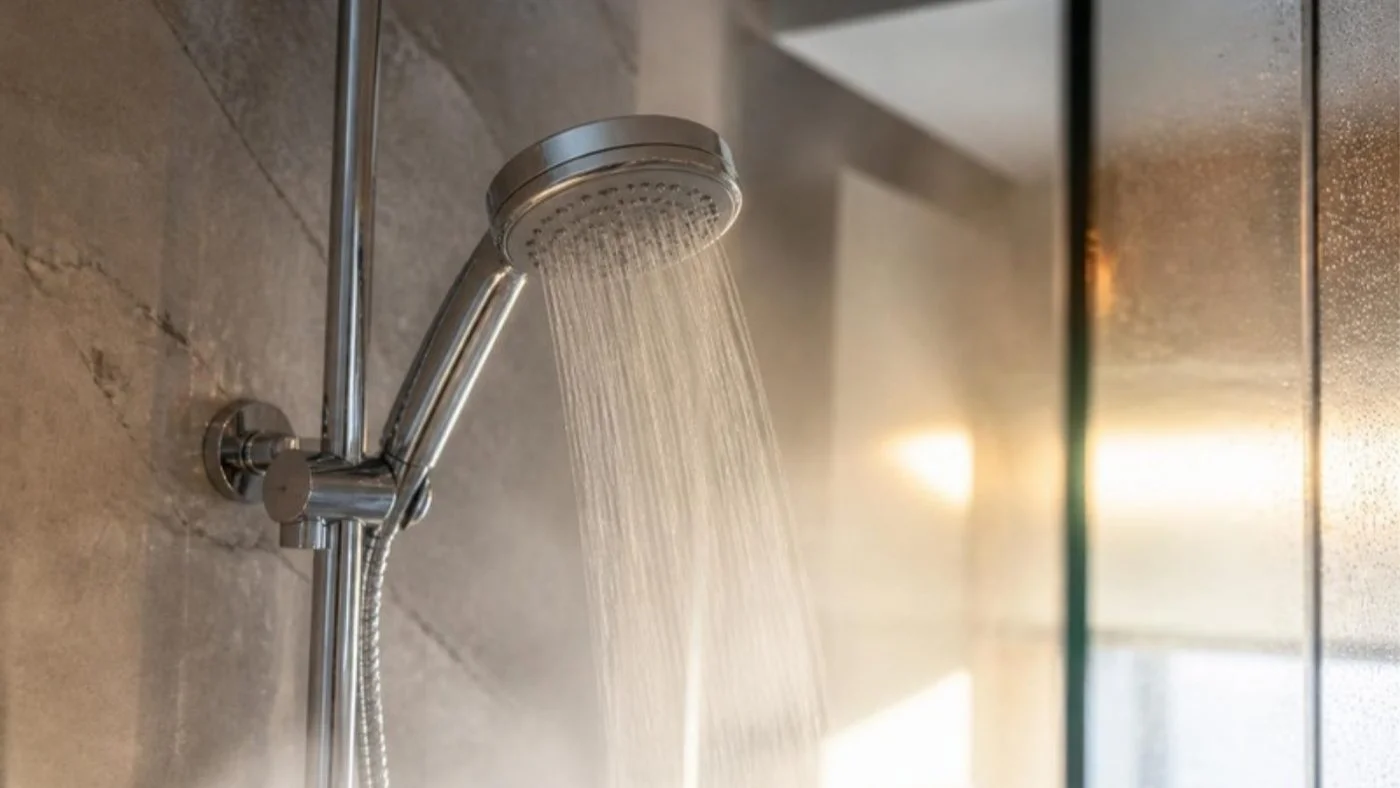 Legionella
Legionnaires’ Disease on Ships: What Public-Health Bodies Say
How it is caught, why ships are high-risk, and where ship-linked cases have come from.
Read the guide →RulesShip Sanitation Certificates: What They Are and Whether a Yacht Needs One
Six months of validity, two types, and what the WHO texts say and do not say about yachts.
Read the guide →GalleyYacht Galley Hood and Filter Cleaning: How Often Is Often Enough?
SOLAS gives no cleaning interval. What the rules say and the timetable used on land.
Read the guide → Rules
RulesWhich Rules Apply to a Yacht’s Hygiene? Law, Guideline and Good Practice
IHR, WHO ship guide, MLC 2006, EU water directive and SHIPSAN: what is law and what is guidance.
Read the guide →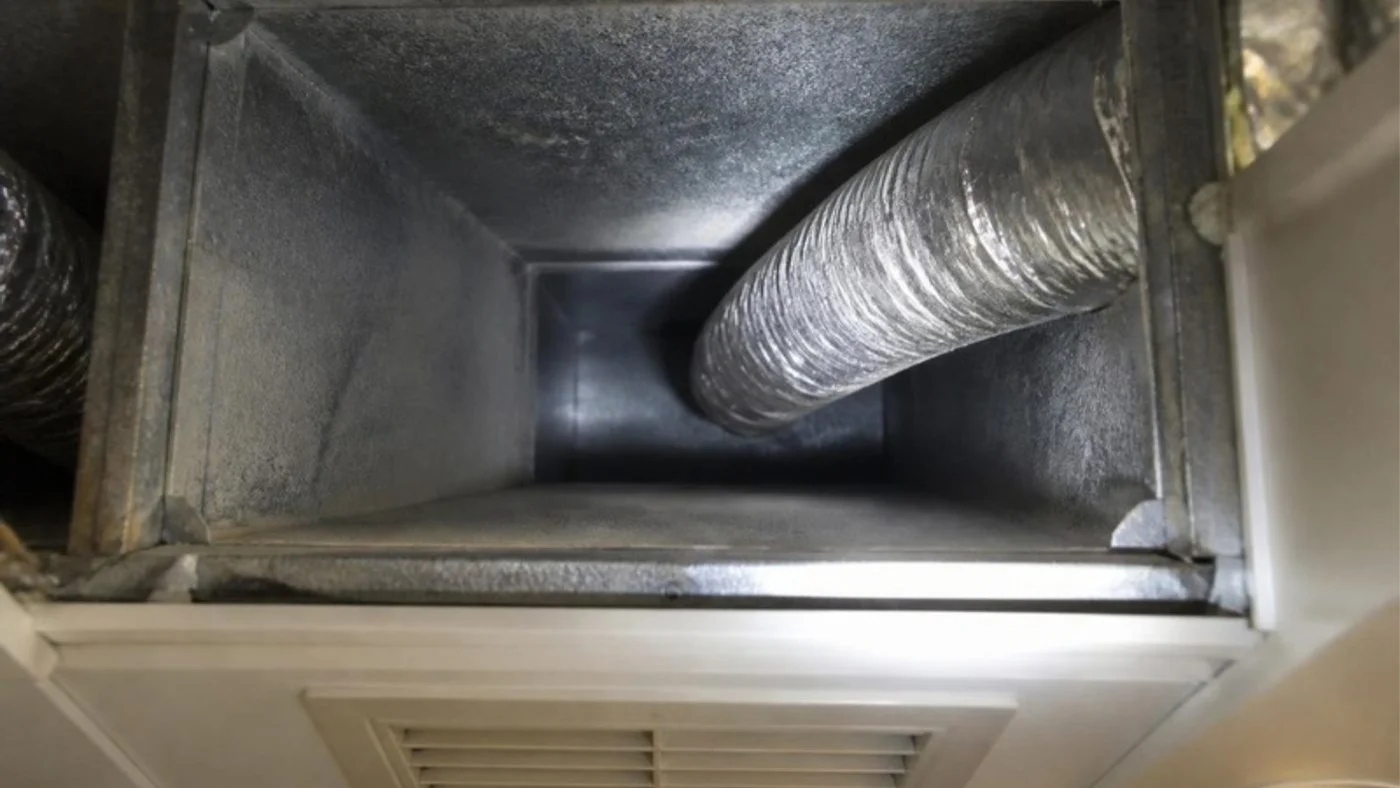 Air and mould
Yacht Air Duct Cleaning: When It Is Worth Doing and When It Is Not
The EPA gives three reasons to clean ducts, and NADCA describes how it should be done.
Read the guide →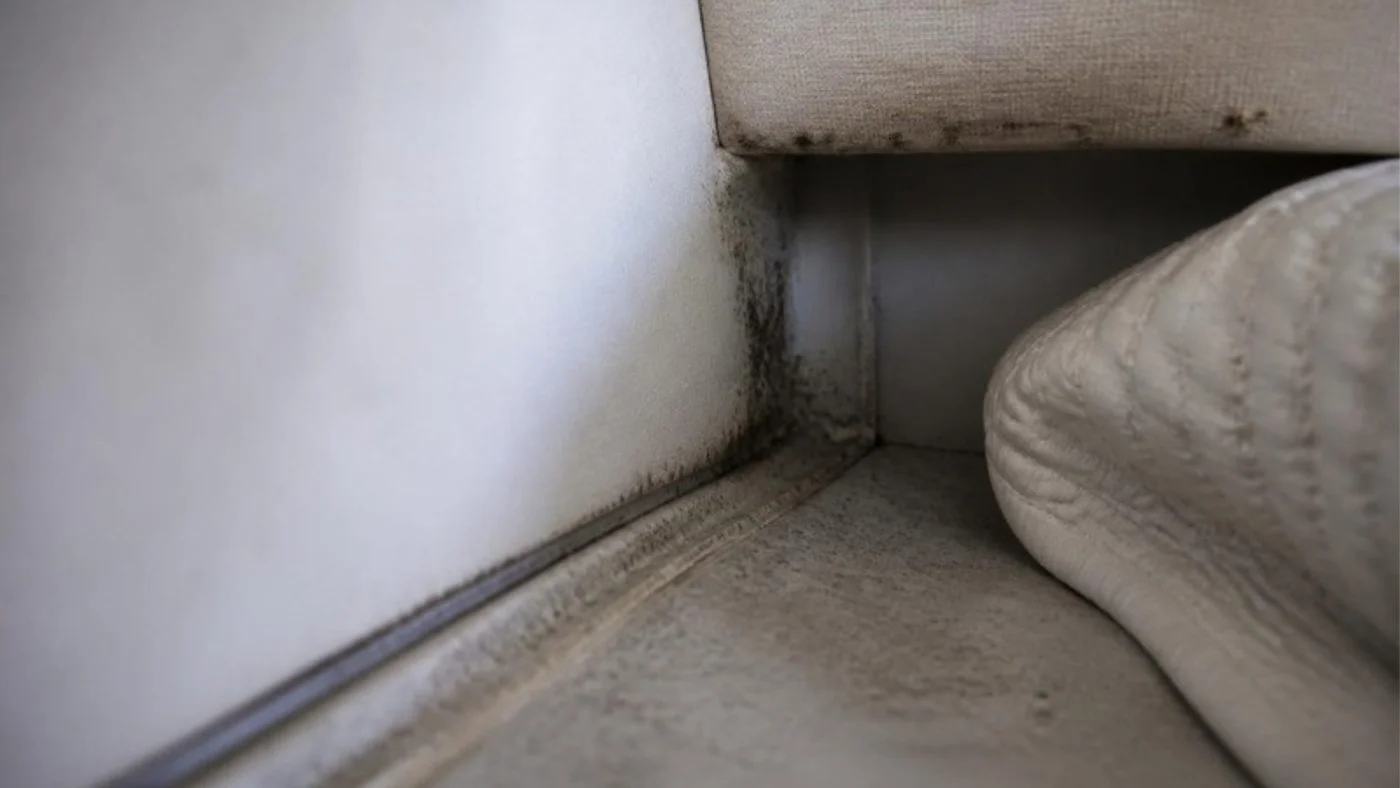 Air and mould
Mould on a Yacht: Why It Grows and When to Call a Professional
Humidity below 60%, drying within 24–48 hours and the 10 sq ft rule from the EPA.
Read the guide → Legionella
Positive Legionella Result on a Yacht: What Happens Next?
Check, correct, treat and re-test: the order the CDC suggests, and what the WHO ship guide adds.
Read the guide →LegionellaLegionella Testing on a Yacht: What ISO 11731 Means in Plain Words
Culture or PCR, how long results take and how a sample is taken, from ISO and the US CDC.
Read the guide →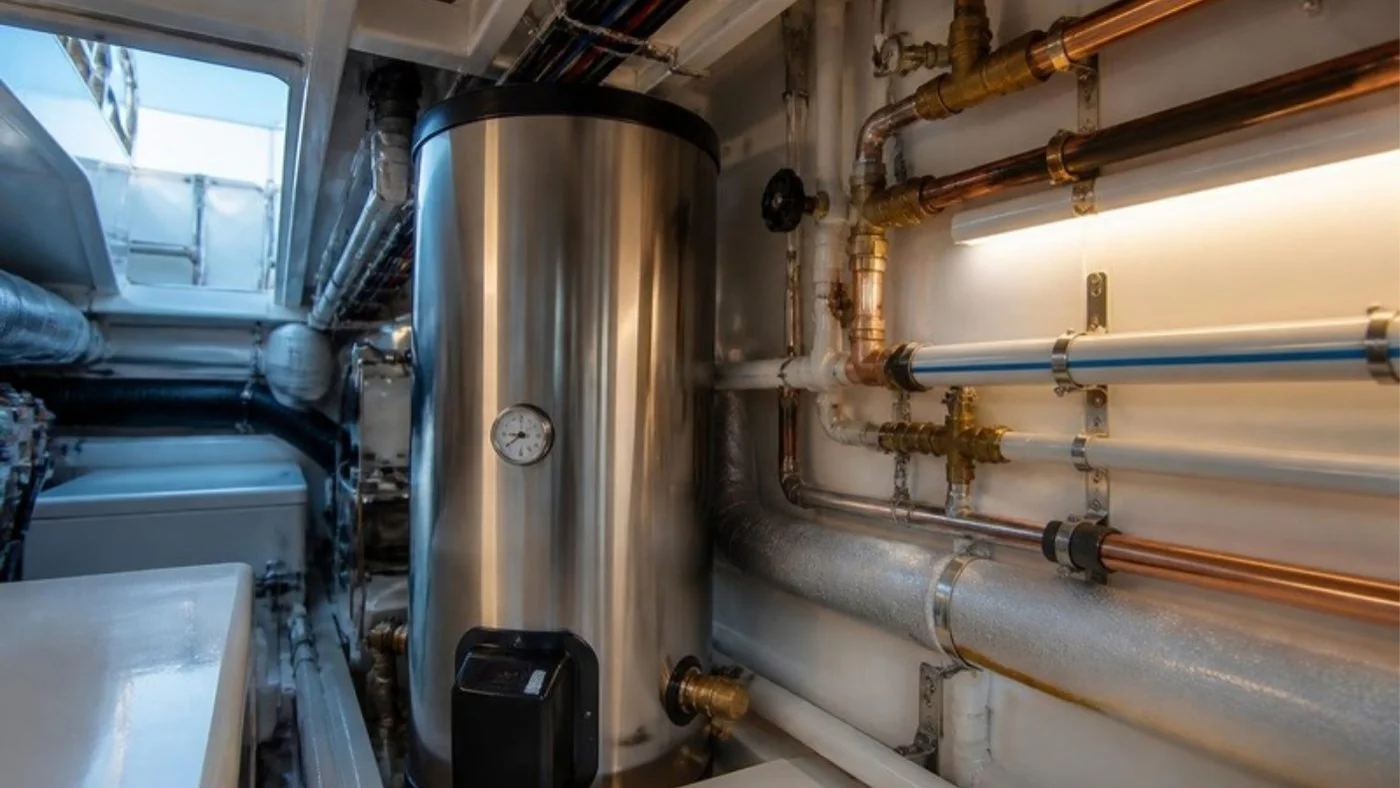 Legionella
Yacht Hot Water and Legionella: Which Temperatures Matter?
Calorifier at 60°C, return at 50°C, cold below 25°C: what WHO, CDC and HSE say.
Read the guide →WaterHow to Test a Yacht’s Drinking Water: What to Measure and Why
E. coli, chlorine, pH and temperature: the numbers the WHO ship guide gives and how to sample.
Read the guide →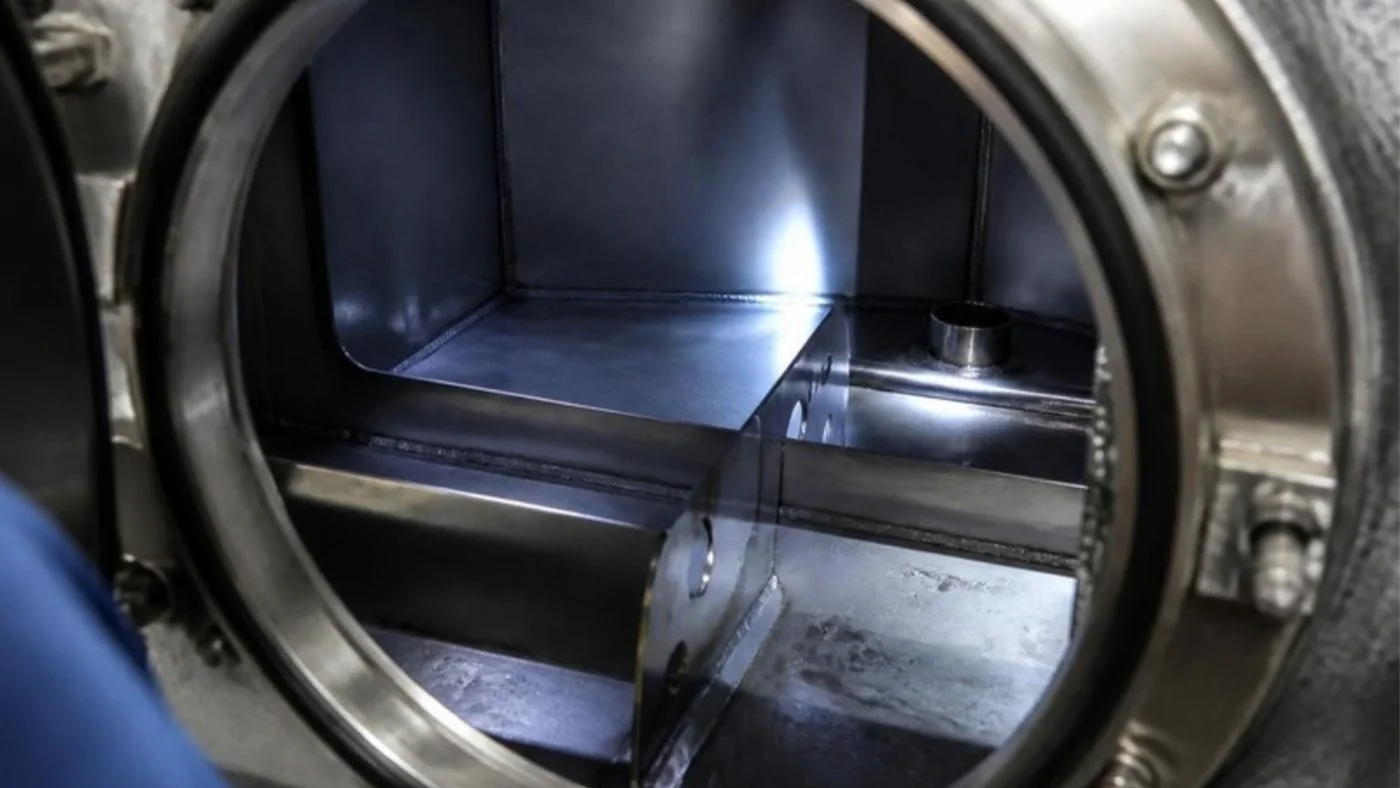 Water
WaterWhat Is a Water Safety Plan for a Yacht?
The three parts of a water safety plan and the key figures, from the WHO Guide to Ship Sanitation.
Read the guide →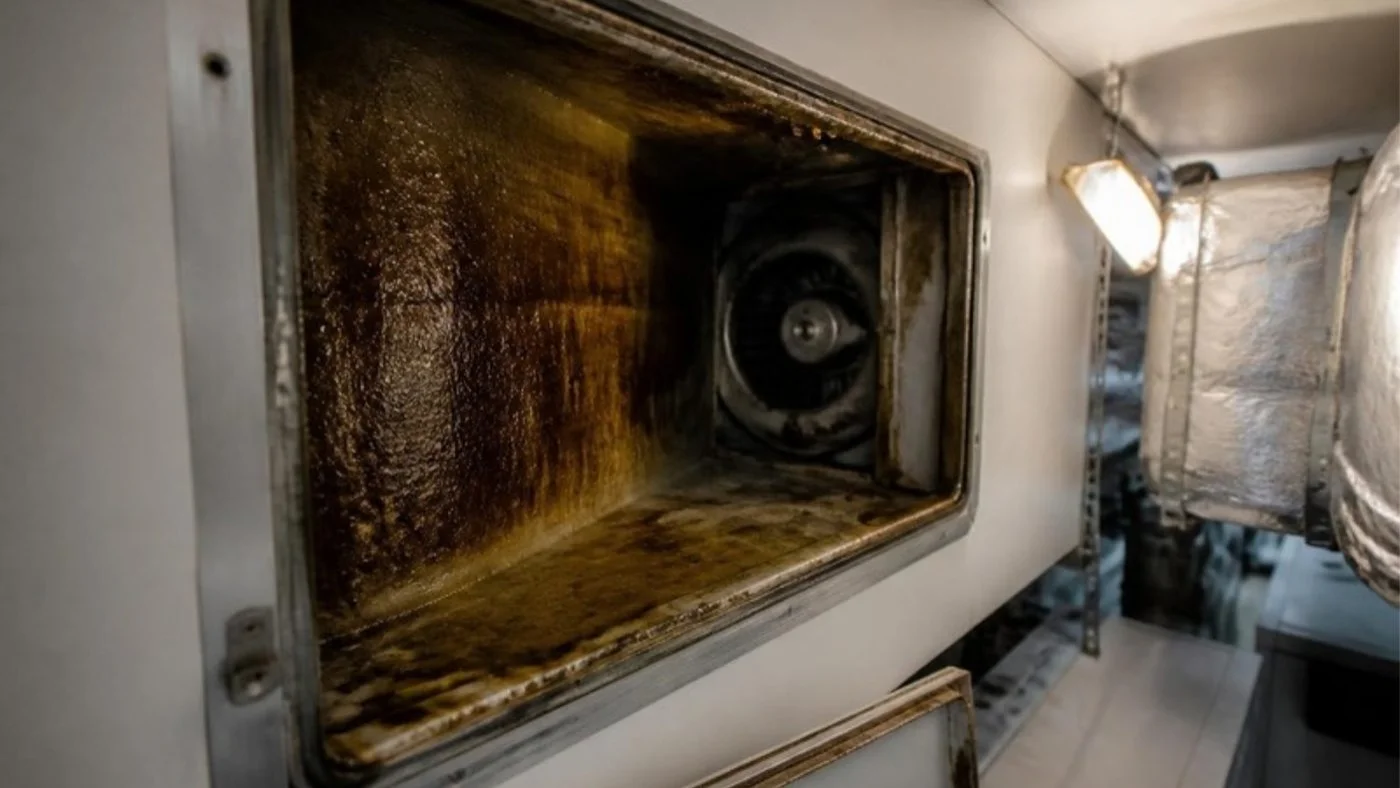 Seasonal
Yacht Back in Service: A Hygiene Checklist After Winter or a Long Lay-Up
Flush, check, clean and record: a practical checklist based on CDC, EPA and WHO guidance.
Read the guide →GalleyYacht Galley Extraction Ducts: What the Rules Ask For and Why Grease Matters
What SOLAS II-2/9.7.5.1 asks for on galley exhaust ducts, and what it means for grease cleaning.
Read the guide → Water
WaterHow Often Should a Yacht’s Fresh-Water Tanks Be Inspected and Disinfected?
What the WHO Guide to Ship Sanitation says about tank inspection, the 50 mg/l disinfection step and flushing.
Read the guide →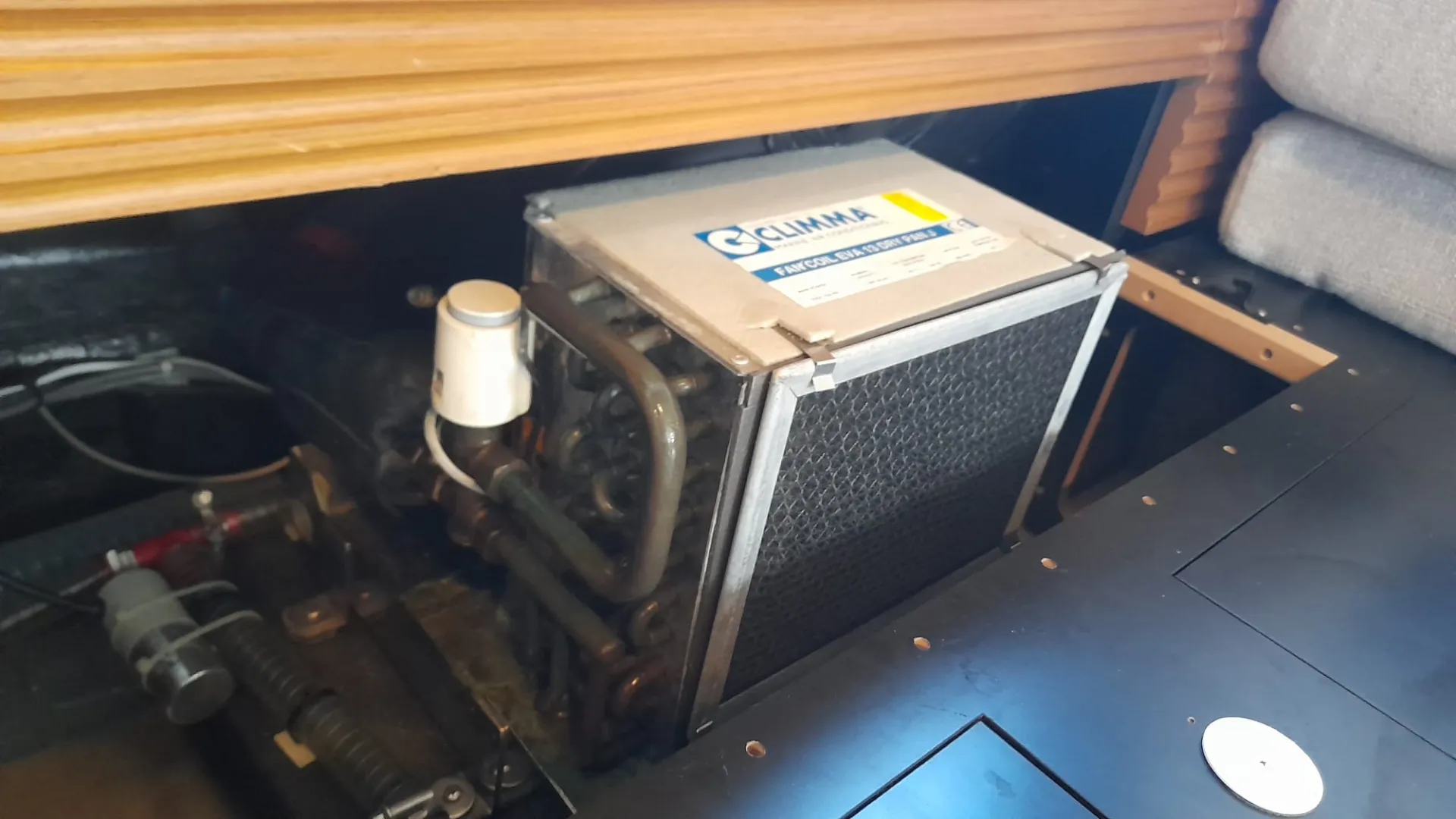 Air conditioning
How Often Should a Yacht’s Air Conditioning Be Cleaned?
What maritime guidance and public-health bodies say about checking filters, cleaning coils and condensate trays, and keeping humidity down.
Read the guide →Water hygieneLegionella on Yachts: How It Grows, How It’s Tested and How to Control It
Where Legionella develops in a yacht’s fresh-water system, how it is tested to ISO 11731, and the temperature and flushing rules that keep it under control.
Read the guide →More guides on HVAC hygiene, fresh-water systems and galley extraction are on the way. In the meantime, see what we do and the problems we solve.

We publish what we can source and stand behind. If a rule does not say something, we do not pretend that it does.
Francesco Colombo
CEO · AirBio Marine, a division of AirBio (Ekonore S.r.l.)
Talk to our team